

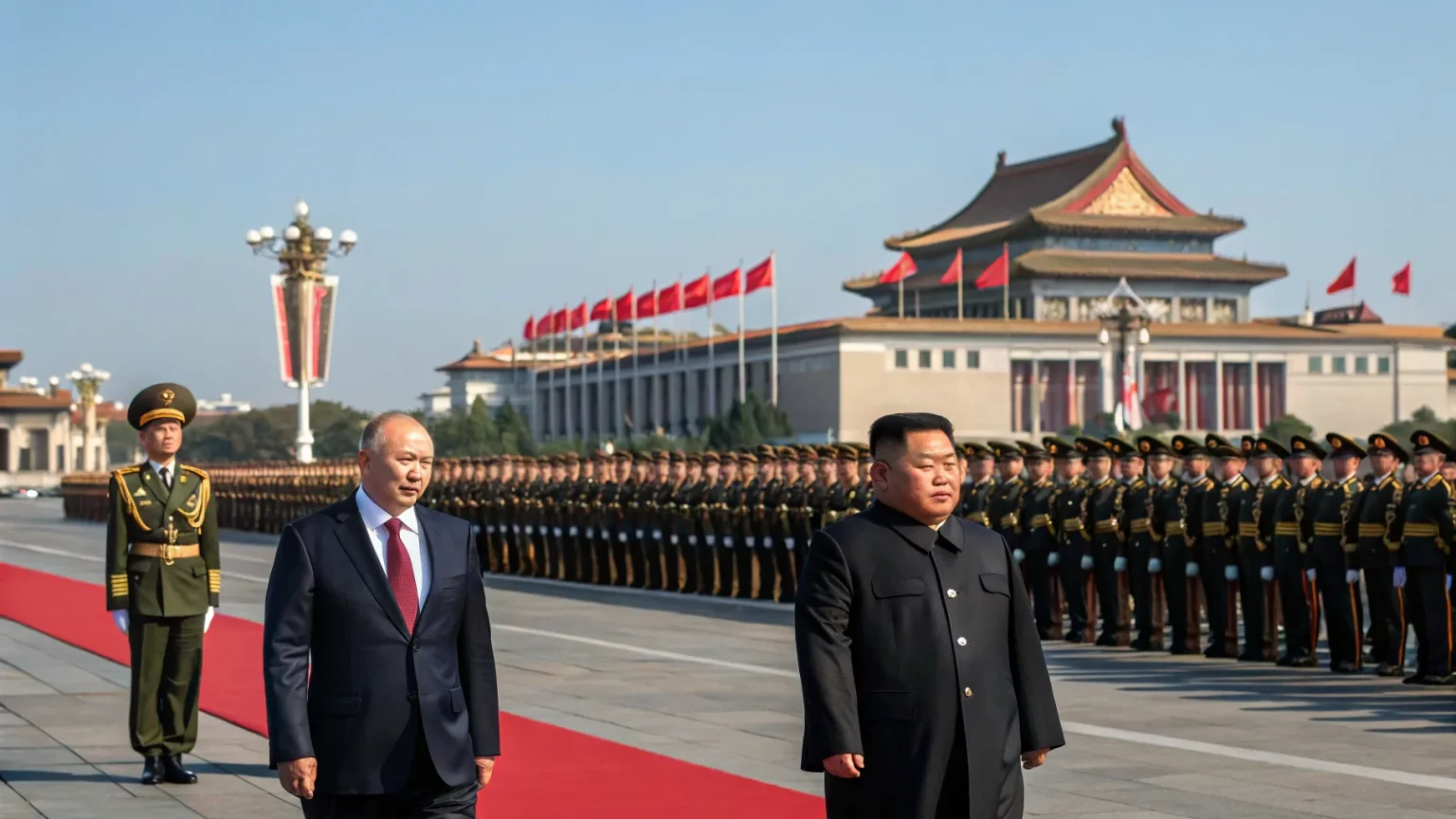
Beijing hosted a significant military parade commemorating “Victory Day” with attendance from leaders of more than 20 countries, including Russian President Vladimir Putin and North Korean leader Kim Jong Un.
The high-profile event showcased China’s military capabilities while serving as a diplomatic platform for international relations. The presence of both Putin and Kim at the ceremony signals continuing strategic alignments among these nations amid global tensions.
Notable Attendees
The parade featured a substantial international presence, with delegations from over 20 nations. However, the attendance of Putin and Kim drew particular attention from global observers and analysts.
Putin’s participation comes as Russia continues to face international isolation due to its ongoing military actions in Ukraine. For the Russian president, the Beijing event provided an opportunity to demonstrate that Russia maintains strong diplomatic ties despite Western sanctions.
Kim Jong Un’s appearance at the event is equally significant, representing one of his rare international trips. North Korea’s participation underscores the continuing relationship between Beijing and Pyongyang, which has historical roots dating back decades.
China’s Diplomatic Strategy
By hosting leaders from various nations, China positioned itself as a major diplomatic player on the world stage. The Victory Day parade served multiple purposes beyond military commemoration.
The event allowed China to showcase its growing influence in international affairs while strengthening ties with strategic partners. For Beijing, having both Putin and Kim in attendance reinforced its role as a key power broker in Asian geopolitics.
Military analysts noted that such gatherings also provide opportunities for informal discussions among world leaders away from the structured environment of official summits.
Regional Security Implications
The gathering of these specific leaders raises questions about potential security alignments in the region. Their joint appearance comes amid shifting global alliances and increasing competition between major powers.
Security experts point to several factors making this meeting noteworthy:
- Growing military cooperation between Russia and North Korea
- China’s role as an economic partner to both nations
- Shared interests in countering Western influence in Asia
The parade itself likely featured displays of military hardware and troop formations, typical of such events in China. These demonstrations serve both as national celebrations and as signals of military readiness to international observers.
The Victory Day commemoration highlights China’s emphasis on historical narratives that strengthen national identity while positioning the country as a rising global power. For international guests, participation represents acknowledgment of China’s growing influence in world affairs.
As the event concludes, diplomatic watchers will be analyzing any joint statements or agreements that might emerge from the sideline meetings between these leaders. The gathering represents more than ceremonial diplomacy—it potentially shapes security dynamics across Northeast Asia for years to come.


