

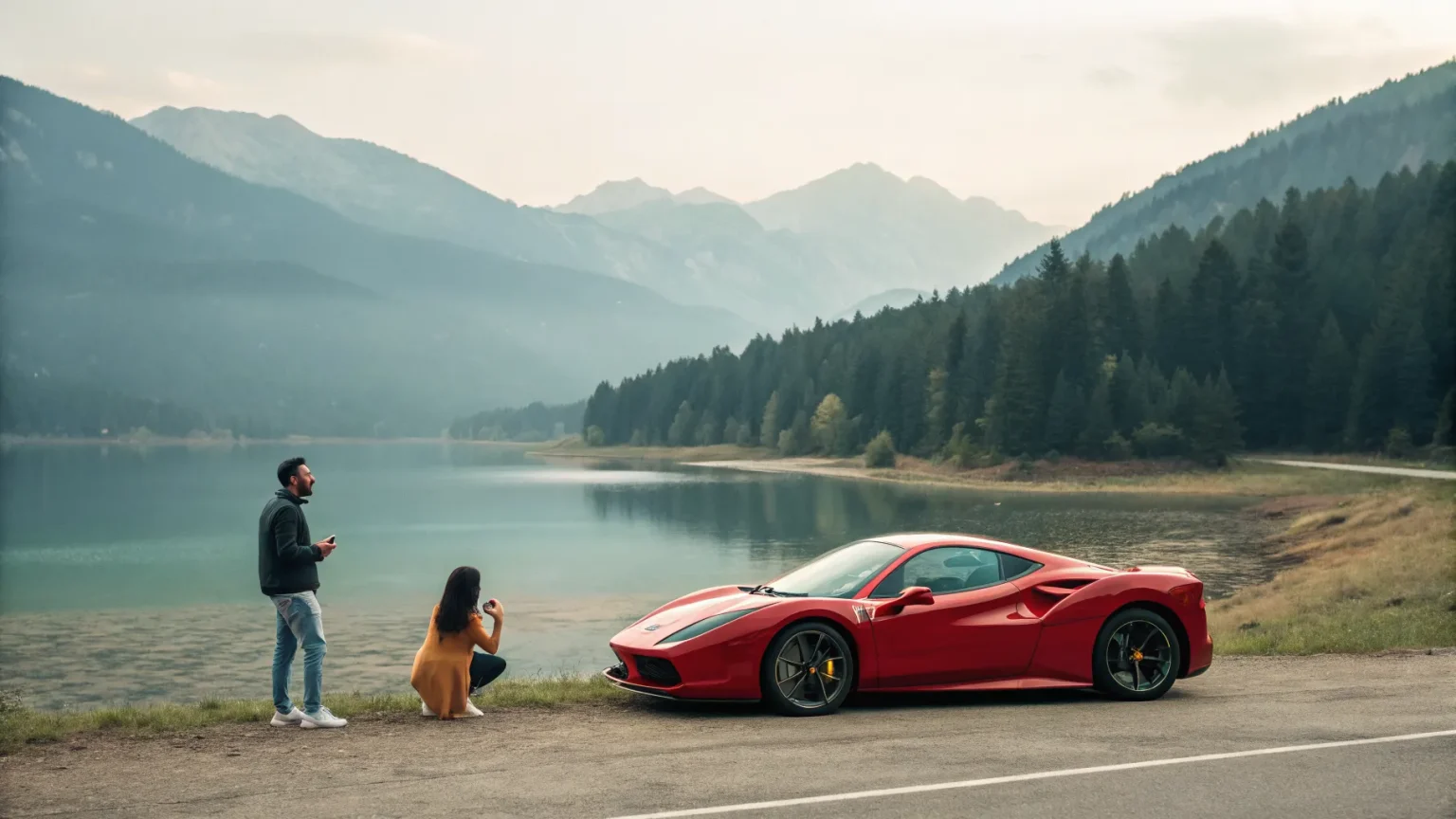
As someone who has coached leaders and built companies, I’ve watched the same trap spring again and again. People chase joy through things they think will impress others. The Ferrari is the loudest symbol of that chase. My view is simple: status won’t fix your spirit. Possessions can teach you, but they rarely keep you happy.
The Real Cost of Shiny Things
Performance cars promise thrills and prestige, but they come with a hidden bill. It’s not just the payment. It’s time, stress, and ego. I learned the hard way that validation does not equal value. You think the car says you made it. It often says you need to be seen.
“Don’t buy that Ferrari.”
The truth behind that line isn’t anti-wealth. I love excellence and results. It’s a warning about trading inner peace for outer flex. The car owns you if your joy depends on it.
“If you drive it too much, it breaks down. If you drive it too little, it breaks down.”
That isn’t just about engines. That’s how ego works. Too much showing off and you burn out. Too much hiding and you rust. Either way, it costs you.
What Actually Holds Its Value
Here’s the mindset that changed my life and the lives of my clients: attract, learn, and attach only to what brings lasting joy. Money is a tool. Toys can be tests. Use them, don’t serve them.
“Buy and learn from it, but don’t hold on to it. If it doesn’t make you happy, let it go.”
That single rule turns purchases into lessons, not anchors. It frees you from buyer’s remorse and public scorekeeping. It moves you from proving to improving.
- Attract: Set clear goals for what you want and why.
- Learn: Try the thing. Note how it feels over time.
- Let go: If joy fades, release it fast.
- Hold on: Keep only what feeds peace, love, health, and growth.
This cycle turns consumption into growth. It also protects your time and attention.
But What If the Ferrari Is Your Thing?
I get it. Some people truly love the craft of a great car. That passion is real. I’m not here to shame desire. I’m here to separate desire from dependency.
“Go enjoy it… you might be one of these people that it’s good for you.”
Enjoy it if it lifts your days without bending your values. If it narrows your life, let it go. The test is simple: do you feel more love, more health, more time, and more peace because of it? If not, the car is driving you.
What People Won’t Tell You
There’s also the social tax. You think friends will cheer. Many won’t. They may see a show, not your growth. And there’s a crude truth we joke about but feel inside: a car can expose insecurity more than success. You can’t outdrive that.
“All your friends are gonna think you’re an asshole and worse, every girl is gonna know your true anatomy.”
Crass? Yes. But it holds a mirror. If the goal is applause, expect a hangover.
My Rule for What to Keep
“My job is to attract what I want, learn from it, and then keeps me happy, hold on to it like my wife.”
That line is my filter. Hold tight to loyalty, love, and purpose. Keep tools that serve those. Release the rest. Abundance is not how much you collect; it’s how little you need to feel whole.
A Better Flex
Choose a flex that compounds: skills, generosity, discipline, and relationships. These don’t break down when you drive them. They get stronger with use. They raise your floor and your ceiling. They pay dividends that toys can’t match.
Try This This Week
- List your top three wants and the “why” behind each.
- Audit one purchase that didn’t age well. Write the lesson.
- Sell or donate one thing that no longer brings joy.
- Invest that energy into a person, habit, or skill.
Small moves shift big outcomes. Trade display for depth.
Here’s my stand: get the lesson, not the label. If something lights you up and lasts, keep it. If it drains you, let it go fast. Your peace is worth more than any badge or engine note.
Frequently Asked Questions
Q: Are you saying owning luxury items is wrong?
No. I’m saying own them for real joy and utility, not to fill a hole or win approval. If it adds peace and growth, enjoy it.
Q: How do I know if a purchase is ego-driven?
Ask yourself if you’d still want it if no one saw it. If the answer is no, it’s likely about status, not value.
Q: What if a dream car truly inspires me?
Then treat it like a teacher. Try it, track your feelings over time, and keep it only if it keeps delivering real, lasting happiness.
Q: How do I avoid buyer’s remorse on big purchases?
Use the rule: attract, learn, let go, hold on. Set intent, test, and release fast if joy fades. A planned exit beats regret.
Q: What should I prioritize over a status purchase?
Invest in skills, health, relationships, and time freedom. These build confidence and choices that no logo can match.


