

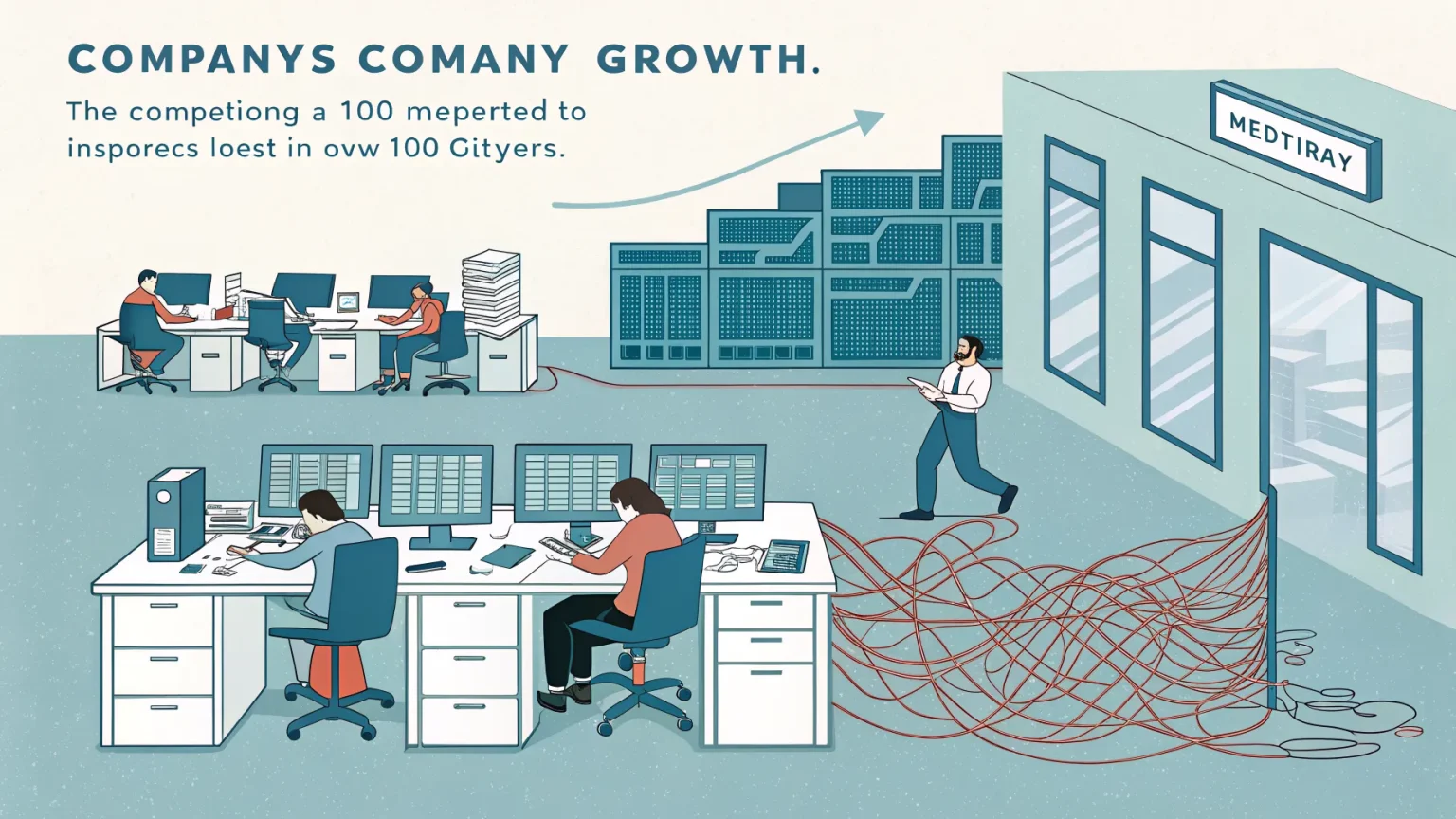
Companies love to talk about growth. Headcount climbs, revenue pops, and on the surface, everything looks calm. My stance is simple: growth is not the hero here—systems are. I’ve coached founders and operators across industries, and the pattern repeats. Teams move from 10 to 50 to 100 people, and the wheels wobble because the back-end is a mess.
The Core Argument: Systems First, People Second
Scaling isn’t the problem. Systems are. I’ve watched leaders hire to fix pain that a better system would have prevented. That choice burns money, time, and trust. It also hides the real issue: scattered tools and missing data.
“Scaling isn’t the problem. Systems are.”
When payroll sits in one place, HR in another, and costs in a third, decision-making turns into guesswork. People click between tabs, copy and paste numbers, and still lack the full picture. That’s not growth; that’s waste.
“They try to scale people before they scale the systems.”
What Breaks First When You Grow
Before you add more people, fix the plumbing. The signs are not subtle.
- Payroll, HR, and scheduling live in different tools.
- No single dashboard shows true labor costs or margins.
- Leaders meet more often but decide slower.
- Manual exports and spreadsheets fill the gaps.
- New hires wait for access, logins, and approvals.
Each symptom is a tax on speed. Add enough of them, and you stall.
What Great Operators Do Differently
The best I’ve seen do not ignore friction. They treat it as a signal to simplify. They align the work, the data, and the people before they pour on headcount. That’s why I’ve partnered with Intuit QuickBooks: I see this problem everywhere and I want owners to solve it early, not expensively.
“It brings your team, payroll, and data to one place so you get your time back to focus on what really matters.”
Use whatever stack fits your stage, but choose one that unifies payroll, HR, and workforce data. Integration beats accumulation. A single source of truth turns chaos into clarity.
Answering the Pushback
Some leaders say, “We have to hire ahead of demand.” I get it. But hiring into broken systems multiplies the breakage. You don’t outrun a bad workflow by adding runners. You fix the track.
“If your business is growing, the question isn’t whether things will break, it’s whether your systems are built to handle it.”
How To Get Your Time Back
Here’s a simple path that works at 10 people and still works at 100.
- Map the work: list core processes from hire to pay to performance.
- Centralize data: pick a hub that connects payroll, HR, and time.
- Automate handoffs: kill manual exports and re-entry.
- Set clear owners: one person is accountable for each process.
- Instrument it: track time to hire, time to pay, and labor cost accuracy.
You’ll move faster because people stop chasing information and start making decisions.
The Payoff
Systems create speed, trust, and margin. They reduce rework and let leaders see true costs. Most of all, they return hours you can reinvest in product, customers, and culture. Hire after your workflow hums, not before.
I’m not here to praise headcount for its own sake. I’m here to help you scale with clarity. Fix the system, then grow the team. That’s how you win.
Frequently Asked Questions
Q: How do I know if we’re scaling people too soon?
If decisions slow down as headcount rises, or if manual work grows with each new hire, your systems are lagging your growth.
Q: What should I unify first—payroll, HR, or scheduling?
Start where errors hurt the most: payroll accuracy. Then integrate time tracking and HR so hiring, hours, and pay talk to each other.
Q: We’re a small team. Is this overkill?
No. Set the structure now so you don’t rebuild under pressure. Simple, connected tools beat a pile of cheap, separate ones.
Q: Tools or process—what matters more?
Process defines the work; tools make it repeatable. Document the steps, then choose software that removes handoffs and duplicate entry.
Q: What’s the first step I can take this week?
List your top five workflows. For each, identify every manual handoff. Eliminate one handoff per week and centralize the related data.


