

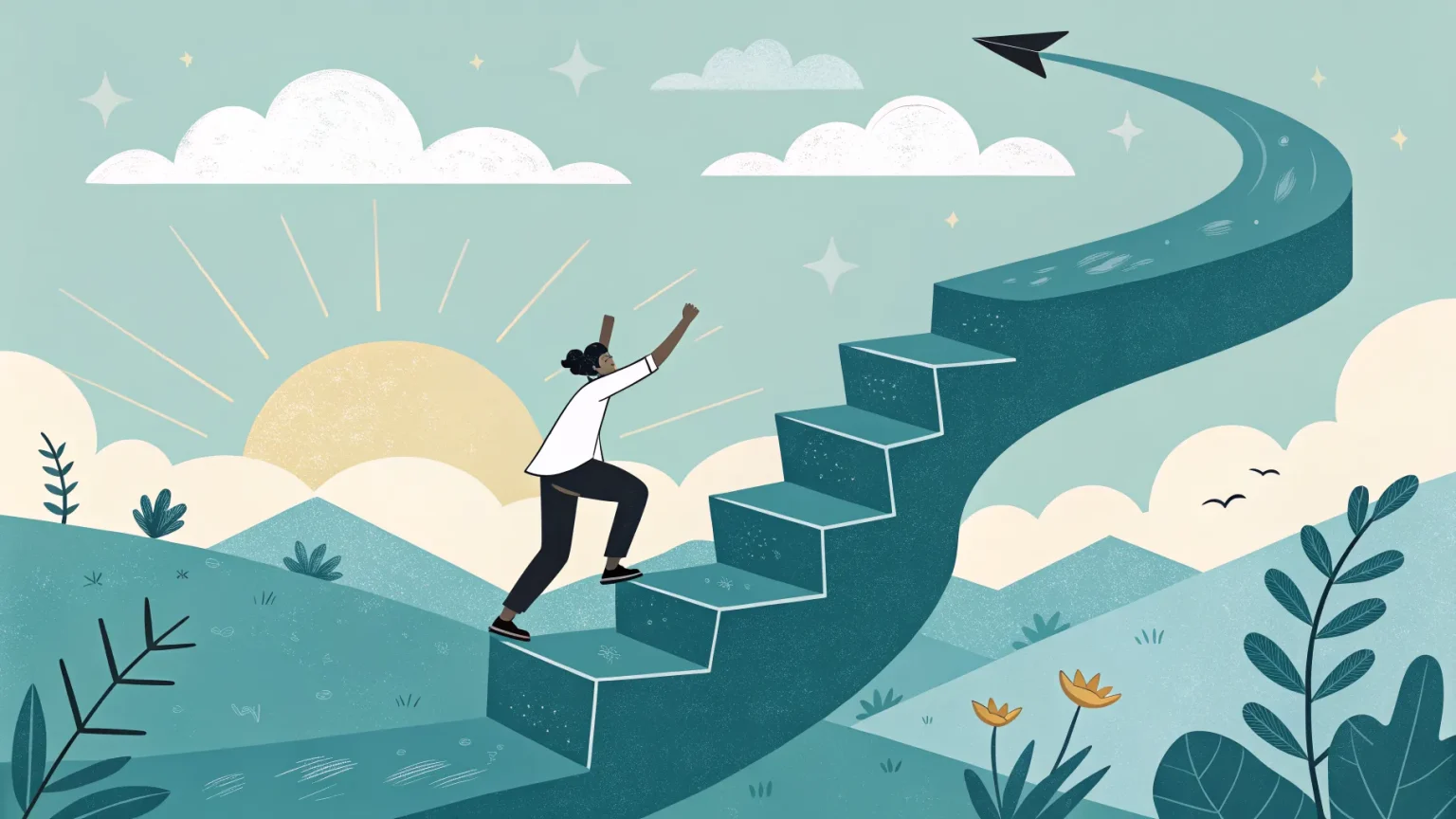
People rise, fall, and rise again. That cycle is not a bug in success, it is the design. As Chairman of the Napoleon Hill Institute and former CEO of Leigh Steinberg Sports & Entertainment, I have seen careers built, broken, and rebuilt. My stance is simple: we should stop writing obituaries for the living. We should give people room to grow, even when they stumble in public.
Kanye West came to me in 2006, no one thought he’d even come to where he is now. He just sold out SoFi twice.
That is not an endorsement of every word he has said or choice he has made. It is a reminder that talent, pain, and progress can exist at the same time. Redemption is real. So is accountability. The hard part is holding both.
The case for redemption in a loud world
I remember early doubts about Kanye. People wrote him off before he had even started. Then they wrote him off again after the mistakes. Today, he fills stadiums. That is not an accident. It is a data point. It shows that millions still hear value in his art, even as he works through his own pain.
What he said, what he’s done is pretty crazy and stupid at times. He realizes that, and he’s working through his own pain.
We rush to final judgments because it feels clean. It is easier to call someone finished than to watch them do the work. But life is messy. Growth is messy. I coach founders, athletes, and artists. The best ones improve not because they are perfect, but because they keep going after the public thinks they are done.

Accountability without finality
There is a real counterpoint here. Words cause harm. Actions carry weight. People deserve consequences. I agree. Accountability matters. But accountability is not a life sentence. It is a chapter. If someone takes responsibility, learns, and changes, closing the door on them says more about us than them.
It’s so easy to call somebody done and finished.
We need a better model than “cancel or crown.” We need standards, timelines, and proof of change. We also need space for grace. I have lived long enough in business and sports to see unlikely comebacks. They happen when we leave a path open.
What I learned from public comebacks
As a coach and investor, I look for signals. Are they listening? Are they learning? Are they serving something larger than themselves? With Kanye, the signal today is simple: he still moves people. SoFi was full, twice. You do not sell out two stadium shows on nostalgia alone. You sell them with relevance. You sell them with work.
Progress does not erase past harm. But it does point to a future that can be better than the past. If we cut off that future, we also cut off the lessons that come with it.
- Hold people to clear standards, then watch what they do next.
- Measure change by actions over time, not headlines in a week.
- Support amends that are direct, specific, and repeated.
- Separate the person’s growth from your need to be right.
- Leave room for talent to serve, create, and contribute again.
These steps do not excuse harm. They build a process for renewal that helps families, teams, and fans heal without erasing truth.
A higher finish line
You’re never finished until God says you’re finished.
That line is not an escape hatch. It is a charge. It means none of us can judge the last page of someone else’s story. I have been lifted by second chances. I have also had to earn trust back. Growth is not a press release. It is daily work, done in the light and in the quiet.
Let’s get better at both accountability and mercy. Call out harm. Ask for repair. Then watch for change. When change shows up, make room for it. If a man can sell out SoFi twice after being written off, think about the kid in your neighborhood, the founder on your team, or the artist on your playlist who might be one brave step away from their next chapter.
My call to action: stop declaring people finished. Start demanding better, then help them deliver it. That is how careers heal. That is how communities heal. And that is how we grow, together.
Frequently Asked Questions
Q: Are you excusing harmful statements or behavior from public figures?
No. I support real accountability. I also support a path back when someone owns the harm, makes amends, and demonstrates change over time.
Q: Why use Kanye West as an example?
He has been counted out multiple times, yet he continues to draw huge audiences. Selling out SoFi twice signals ongoing relevance and effort.
Q: How do you tell if someone is genuinely changing?
Look for consistent actions: apologies backed by behavior, service to those affected, fewer repeats of past mistakes, and growth that lasts beyond headlines.
Q: What does accountability without finality mean in practice?
Set clear standards, apply fair consequences, and keep an open door for return when the person shows sustained repair and responsibility.
Q: What can fans and teams do to support healthier comebacks?
Stop rushing to permanent judgments, ask for concrete steps of repair, and reward genuine progress with measured trust over time.


