

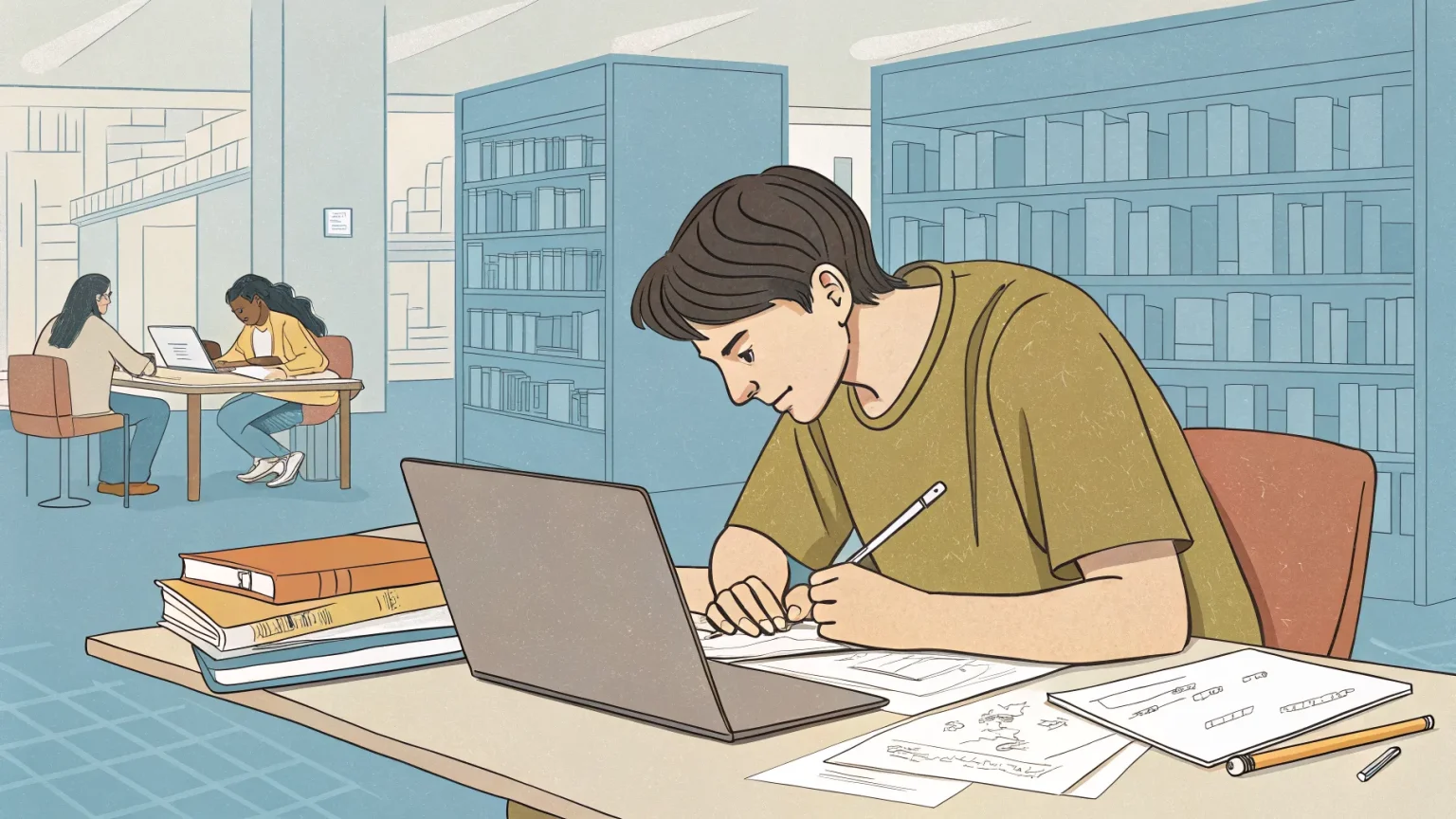
I hear the debate about college every week. Some people say skip it. Others say it’s the only path. My take is simple: school is a tool, not a religion. Use it when it helps you do the work that matters. Put it down when it doesn’t.
As someone who has built companies, coached leaders, and studied success up close, the path is clear. The goal is not a diploma. The goal is growth, skill, and joy in your work. That’s how you build a life that is passionate, purposeful, and yes, profitable.
The Three Commitments That Actually Matter
I keep coming back to three commitments that form a simple filter for big choices, including school.
- Do your best. If school helps you raise your standard, go.
- Learn lessons. You need real education, wherever you get it.
- Love what you do—and do what you don’t love. Discipline builds freedom.
These rules sound basic. They are. Basic wins. Fancy talk doesn’t.
“You gotta learn to do your best. And if you need to go to school to learn to do your best, then you need to go to school.”
“You need to learn lessons. You need to be educated… If you need to go to school to get educated, then you need to go to school.”
“You also have to learn to love what you’re doing… And if you need to go to school to learn to do shit that you don’t like, then you need to go to school.”
What People Get Wrong About College
People hear success stories from dropouts and jump to the wrong lesson. Most of those stories hide years of intense self-education, mentors, and practice. They did the work—school or no school.
On the other side, some treat a degree like a magic key. It isn’t. I have hired grads and non-grads. The ones who rise do three things: they show up, they learn fast, and they do hard tasks with a good attitude.
So let’s reset the message for kids and parents. Don’t worship college. Don’t dismiss it either. Ask one question: Will this program help you do your best, learn faster, and build love for the craft?
When School Makes Sense—And When It Doesn’t
School can give you structure, coaching, and reps. It can force you to do work you don’t like, which is key for growth. That grind builds muscle for tough seasons in business and life.
School also gives you a safe lab to make mistakes. You can test ideas, get feedback, and tighten your process. That can cut years off your learning curve.
But school is not free in time or money. If the program doesn’t raise your standard, expand your skill, or connect you to a real path, skip it. Self-study, apprenticeships, and work experience can check those same boxes if you are honest, hungry, and coachable.
Answering the “Skip School and Just Grind” Crowd
I respect hustle. I live it. But hustle without education is noise. And education is bigger than lectures. It’s the daily act of learning, testing, and adjusting. If a campus accelerates that, use it. If not, design your own program with mentors, books, online courses, and real work.
Here’s the through line: You need to do your best, learn lessons, and find joy in the work. Everything else is tactics.
How To Apply This Today
Use this checklist for your next step, whether you’re 17 or 47.
- List the skills you must master for your goal.
- Identify where you will get reps, feedback, and accountability.
- Choose the fastest, most affordable path that provides both.
- Commit to doing one hard thing every day that you don’t like.
- Review progress weekly and adjust your plan.
I’ve seen careers take off when people stop asking, “Should I go to college?” and start asking, “What will make me better, faster?” That question changes decisions. It also changes outcomes.
The Bottom Line
Go to school if it helps you do your best, learn faster, and build love for the craft. If it doesn’t, build your own path with the same rigor. Either way, the rule holds: do your best, learn lessons, and have fun. That’s how you grow a life that works.
Start today. Pick the path that raises your standard this week. Then show up, learn, and keep going.
Frequently Asked Questions
Q: How do I know if college is right for me?
Match your goals to the program. If it speeds up your skill growth, gives structure and feedback, and connects you to real outcomes, it’s a good fit.
Q: Can I succeed without a degree?
Yes—if you replace school with strong mentors, steady practice, and real accountability. You still need education, just through a different path.
Q: What should I study if I do go?
Study the skills your target field pays for. Look for courses that demand projects, feedback, and public work. Output beats theory.
Q: How do I build discipline for tasks I dislike?
Schedule one tough task daily, tie it to a clear goal, and track streaks. Reward consistency. Small wins build the habit to handle bigger loads.
Q: What if family pressure says college is the only path?
Share a plan with clear skills, mentors, costs, and milestones. Show how your path delivers results. Clarity lowers fear and earns support.


