

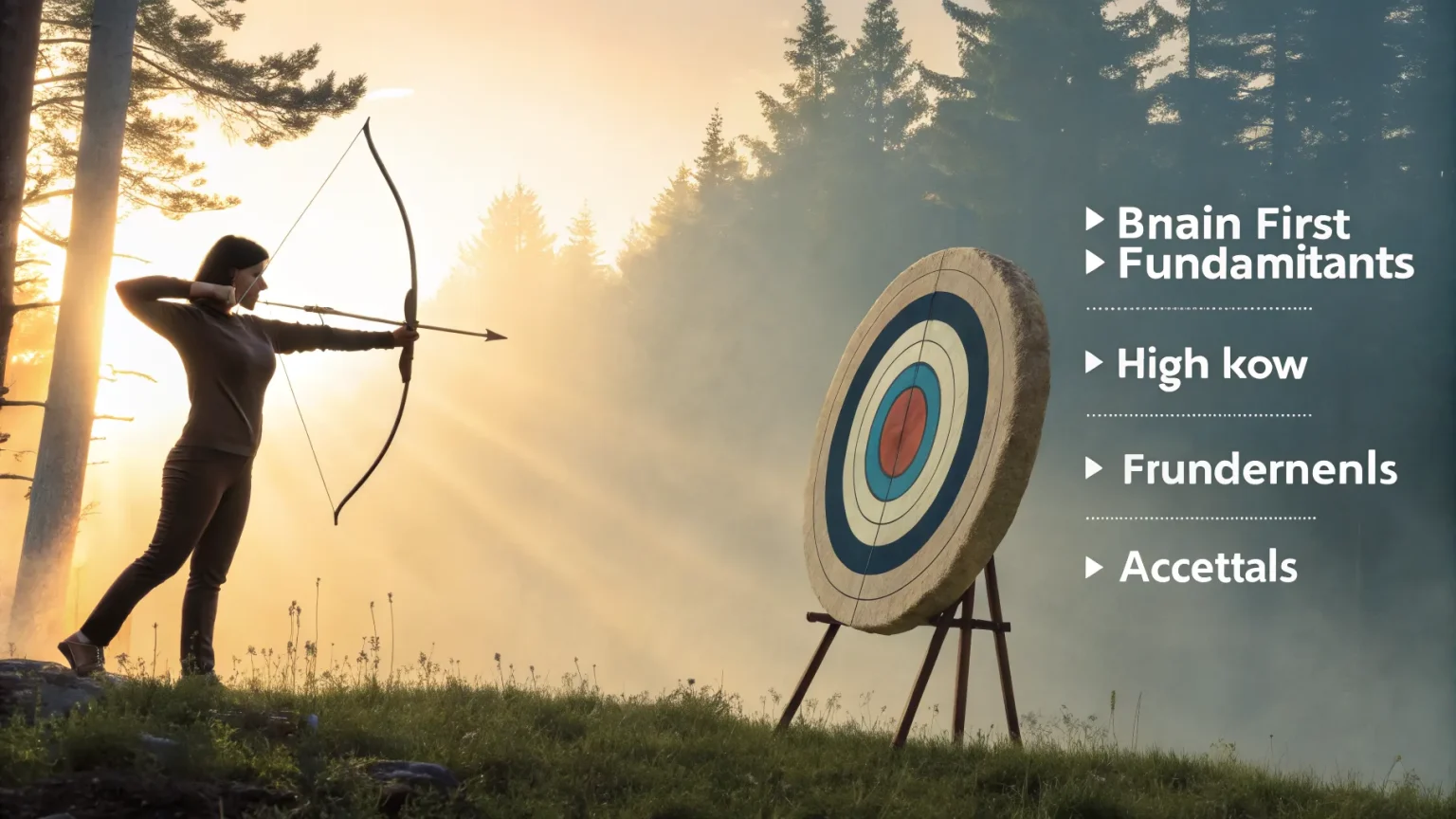
I spend my life coaching leaders and founders to win on purpose, not by accident. That starts with a blunt truth: you can’t hit what you haven’t aimed at. In a recent conversation with PGA coach and TEDx speaker Virgil Herring, that idea hit me like a driver off the tee. His work with champions mirrors what I see in boardrooms and startups. The lesson is simple and sharp. Decide exactly where you’re going, then build the daily habits to get there.
My Stance: Precision Over Hype
Success is not a mystery; it’s a choice backed by clear targets and repeatable basics. Too many teams chase outcomes and titles. They obsess over the scoreboard. That mindset invites pressure, anxiety, and sloppy decisions. As Virgil put it:
“You can’t hit something that you’re not aimed at.”
He wasn’t talking about just golf. He was talking about business, life, and leadership. I see the same mistake in founders who want growth but can’t define it, or executives who want “innovation” but can’t describe the next move. Aim first. Then grind on your basics.
What Champions Actually Do
Great performers live in the process. They know their non-negotiables. They breathe through pressure. They measure the right things. Virgil said it best:
“The weight of dreams is called expectations. Expectations are cancer.”
That line should hang on the wall of every locker room and CEO office. Big goals are fine. But when expectations become identity, they crush performance. The cure is process. Outcome obsession tightens the jaw and narrows the mind. Process frees you to perform.
Here’s how I translate that into daily practice:
- Set a precise aim: define “win” in one sentence.
- Commit to fundamentals: daily, boring, essential reps.
- Shift talk from outcome to process: track behaviors, not fantasies.
- Lower the noise of expectations: detach ego from results.
- Train the nervous system: rehearse pressure, breathe, reset fast.
Whenever I coach a team, we lock in these five moves. It’s amazing how quickly the fog lifts.
Evidence From the Tee Box to the C-Suite
Virgil coaches champions for a reason. He starts with aim and fundamentals, then works the body and mind. He told me his first two questions are about targeting and basics. Once those are set, he’s “more than halfway home.” That tracks with what I’ve witnessed for years. When leaders know their aim and daily system, speed follows. Without that, speed is just chaos.
“We’re trying to move the talk from outcome to process.”
That single shift changes careers. I’ve watched founders stop chasing unicorn headlines and start building real companies. I’ve seen executives replace vanity metrics with key behaviors. Momentum returned. Confidence rose. Results improved because the process improved.
Answering the Pushback
Some will say outcomes pay the bills. True. But fixating on the finish line makes you trip over your feet. The scoreboard is a lagging indicator. By the time you look at it, the work is already done. If you want better results, tighten aim and double down on repeatable basics under pressure.
That’s where the nervous system comes in. Stress locks the body. Pros rehearse pressure so their system doesn’t hijack them when it counts. Leaders should do the same. Simulate hard calls. Practice the crucial conversation. Build a reset routine. Breathe. Then act.
The Playbook I Use With Clients
If you want a practical start, take this week to do three things:
- Write your exact aim for the next 90 days. One sentence. No buzzwords.
- List five daily fundamentals that drive that aim. Schedule them.
- Create a two-minute reset for pressure: inhale-exhale count, short mantra, next best action.
Simple beats complicated. Consistency beats intensity. Reps beat hype.
Final Word
Aim decides direction; fundamentals decide destiny. That’s true for golfers chasing majors and for leaders chasing markets. Drop the weight of expectations. Build a process you trust. Then step up and swing with conviction.
If you lead a team, start your next meeting with aim and basics. If you lead yourself, start your next morning with them. The title will follow the work. Let the process carry you, and let the results take care of themselves.


