

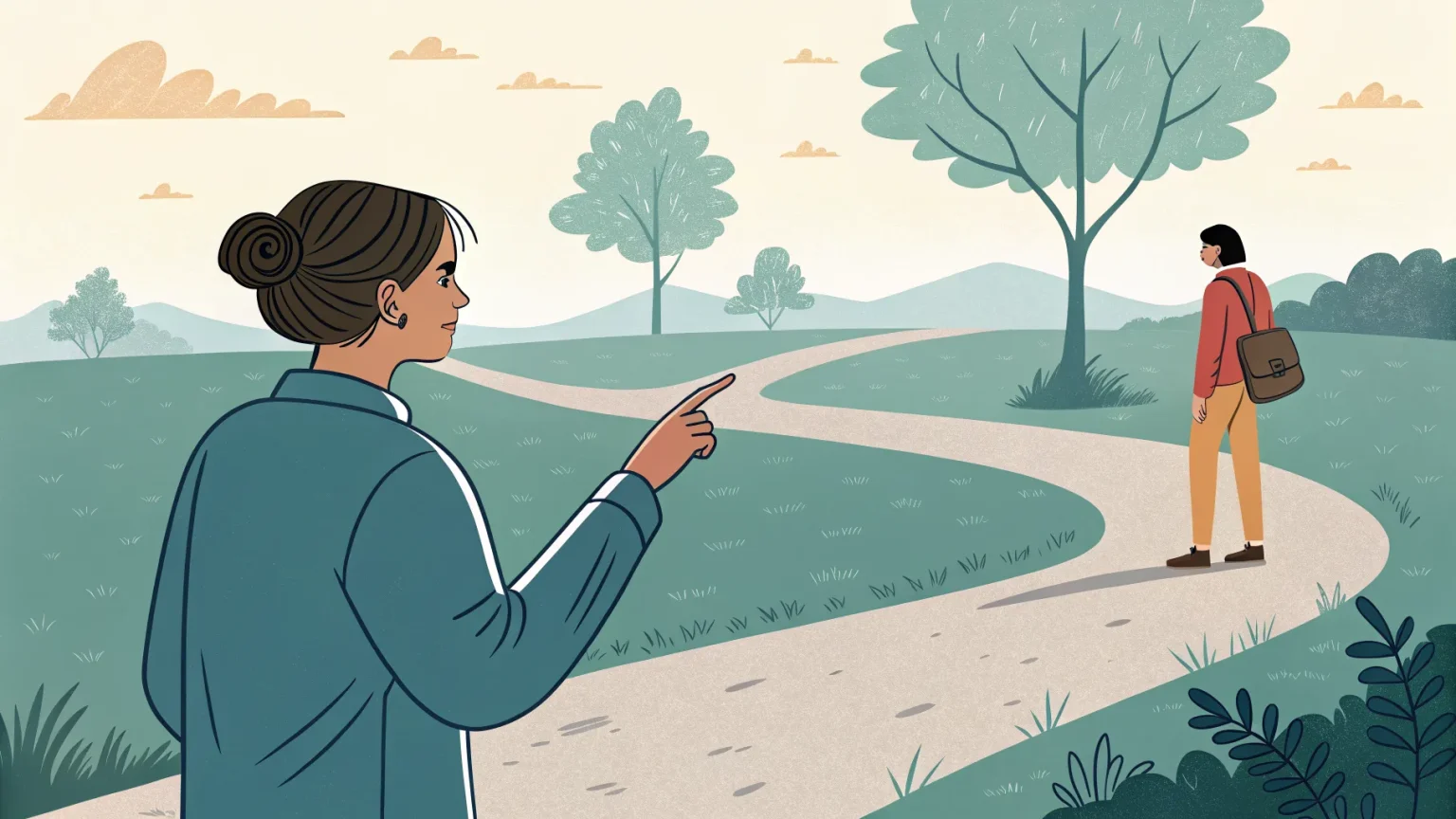
Parents want safety for their kids. I get it. I’ve coached thousands of families and athletes. I’ve been that son too. My stance is simple: love-driven fear is the most dangerous advice you’ll ever get. It sounds kind. It feels safe. It can quietly kill your dream.
Haters are loud and easy to tune out. Loved ones are different. Their words carry weight. Their fear can sound like wisdom. That’s why it’s so hard to break from it.
“You’ve got to be a doctor or a lawyer,” “go to college,” “the internet’s a fad,” “be a real lawyer.”
I’ve heard versions of that for decades. I’ve also watched those who listened, against their own gifts, end up stuck. Not because their parents didn’t care. Because they cared so much that they prized safety over potential.
Love can hide fear—and fear makes bad bets
Safety is not a strategy. It’s a feeling. It guards against pain, not for purpose. When Mom or Dad says to choose the “safe” path, they’re not mapping your future. They’re shielding your present.
“Why would she give me bad advice? Because she doesn’t want anything to happen to you.”
That line says it all. The goal is no harm. But no harm also means no stretch, no test, no edge where growth lives. If you build your life to avoid harm, you also avoid who you could become.
I respect parents. I’m one. I’ve also run companies, coached leaders, and learned this the hard way: the person who loves you most may be the least qualified to guide your career. Love is a qualification for care, not for direction.

Choose advice by alignment, not affection
Here’s the filter I use as Chairman of the Napoleon Hill Institute and as a coach: only take advice from people who sit in the seats you want, with the values you share. Not just titles. Outcomes and behavior.
- Ask: Do they have what I want personally, professionally, and financially?
- Check: Have they built in the world as it is, not as it was?
- Confirm: Will they tell me the truth, not just protect my feelings?
Next, test your path in small, low-risk ways. This builds data, not drama.
- Run 30- to 90-day experiments with clear, simple metrics.
- Set a floor and ceiling: what is the minimum to keep going, and the maximum before you double down?
- Share results with mentors who have done it, not just those who love you.
Short tests quiet fear. They give your family something better than opinions: results.
What to say when the advice feels safe—but wrong
You don’t have to fight. You do have to lead. Try this frame.
- “I hear you. I know you want me safe.”
- “Here’s a small test I’m running for 60 days. If it fails, I’ll pivot.”
- “I’m getting feedback from people who’ve done this at a high level.”
- “I’ll share real results, not just hopes.”
This keeps respect high and fear low. You’re not rejecting love. You’re rejecting fear as policy.
Addressing the usual pushback
“What if you’re wrong?” That’s why we test small. “What about stability?” Stability comes from skills, relationships, and repeatable results—earned faster when you work where you have true interest and talent. “Isn’t law or medicine noble?” Of course. But nobility does not excuse a bad fit. A path can be honorable and still be wrong for you.
A better way forward
My view is bold because it has to be: Don’t outsource your future to fear. Accept love. Thank the people who care. Then build your choices on evidence, aligned mentors, and your own repetitions. That’s how you honor your family and your gift.
Here’s the promise I’ve seen hold up over time: when results show up, most critics turn into supporters. Even the ones at your kitchen table.
Run one small test this month. Pick one mentor who has what you want. Share one clear metric with your family. Lead with facts, not fear. Your life is too important to play defense the whole game.
Frequently Asked Questions
Q: How do I know if advice from family is based on fear?
Look for language centered on avoiding risk rather than creating outcomes. If the message is “don’t get hurt” instead of “here’s how to win,” it’s fear talking.
Q: What’s a smart first step if my dream feels risky?
Design a 60-day experiment with clear metrics. Keep costs low, time-box your effort, and review results with mentors who have already succeeded in that lane.
Q: How can I push back without disrespecting my parents?
Acknowledge their care, share your plan, and invite them to judge facts after a short test. Respect the person. Don’t adopt the fear.
Q: What if I don’t know anyone who has “what I want”?
Start with public mentors: books, talks, and interviews. Then join communities or programs where those people teach. Add one relationship at a time.
Q: When should I quit a path that isn’t working?
Quit by rule, not mood. Set a performance floor before you start. If you miss it after a real effort and feedback, pivot to the next test.


