

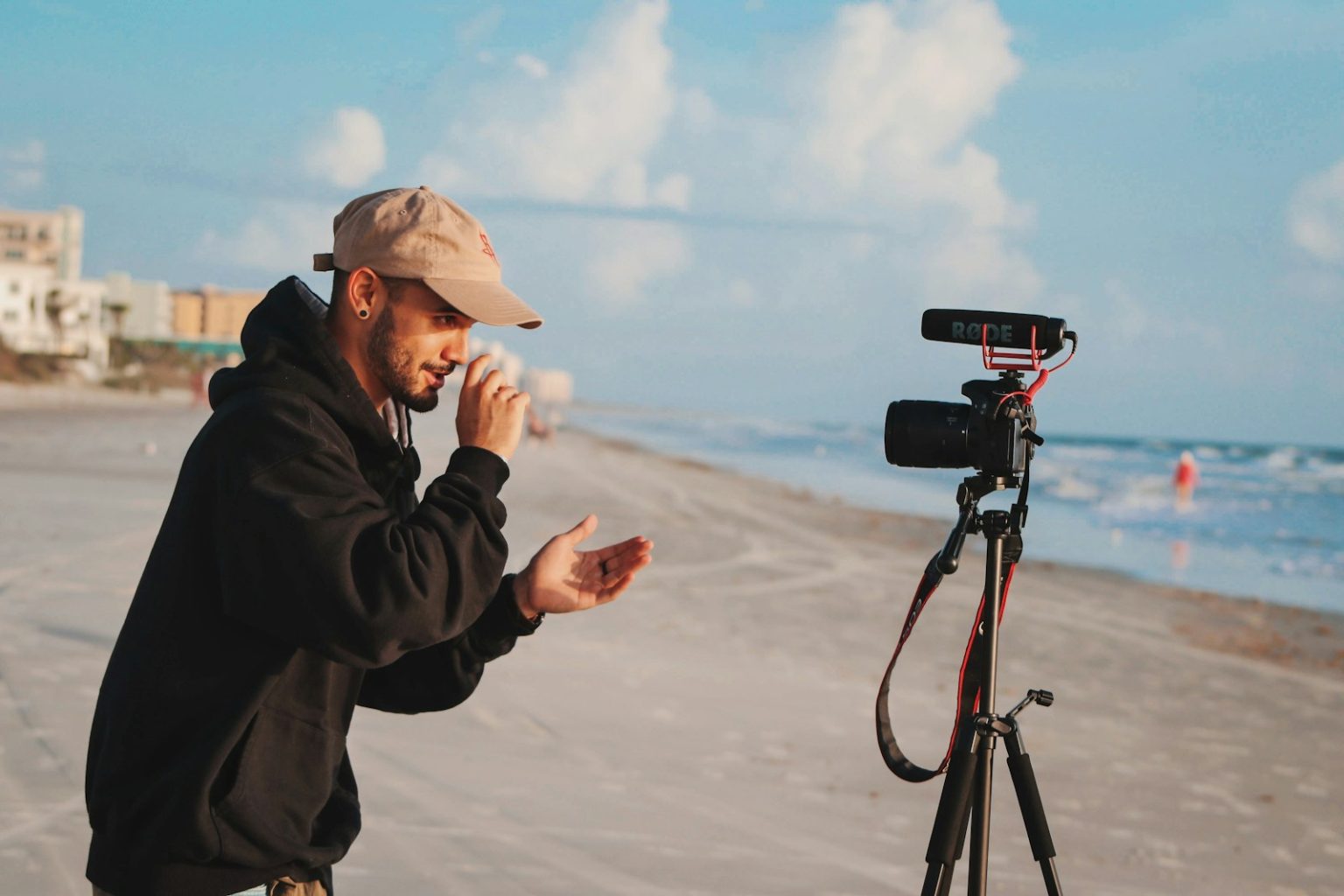
Modern video production marketing has flipped on its head. The brands winning attention right now are not the ones with the highest budgets or the slickest edits. They are the ones whose videos feel like a real person is talking. After watching this play out across hundreds of self-employed creators and small brands over the last few years, I am convinced that the era of overproduced corporate video is ending, and authentic, low-friction content is what actually converts.
This is not a call to publish sloppy videos. It is a call to rethink how much production your video production marketing actually needs to be effective. The answer, in most cases, is far less than agencies have been selling for the past decade. Here is what is changing, why it matters for self-employed pros and small brands, and how to find the right balance between authenticity and quality.
Why less video production is winning right now
Audiences have been trained by TikTok, Instagram Reels, and YouTube Shorts to expect content that feels immediate and human. A 90-second talking-head clip filmed on a phone with decent audio routinely outperforms a $20,000 brand video on the same platform. The reason is not mysterious. People want to watch other people, not commercials.
This shift matters most for self-employed pros and small brands because it removes the historical advantage of large marketing budgets. A solo founder with a phone, a clear message, and consistency now competes directly with a Fortune 500 marketing department. That is new. The lever has shifted from production budget to clarity, voice, and frequency.
The hidden cost of overproduced video
Highly polished video has three costs that small brands rarely talk about. First, it takes weeks to produce, which means you publish less. Second, it strips out the personality that makes viewers feel like they know you. Third, it signals “this is an ad,” which triggers the same scroll-past reflex that has killed traditional banner advertising.
I have watched small brand engagement strategies shift dramatically once founders stopped trying to look like Apple and started trying to look like themselves. Engagement rates often double within a month, not because the videos got better in any technical sense, but because they finally felt human.
Finding the right balance for video production marketing
Less production does not mean no production. There is a sweet spot where your videos feel authentic and effortless to watch, while still being clear, well-lit enough to see, and audible enough to follow. Hitting that sweet spot is mostly about a few specific decisions.
Prioritize clear audio above everything else. Viewers will tolerate mediocre video quality but they will leave a video with bad audio in three seconds. A $50 lavalier mic is the single best investment a self-employed creator can make.
Use natural lighting whenever possible. Sit facing a window. Avoid overhead lights that cast shadows under your eyes. If you must use artificial light, a single softbox or ring light is plenty.
Keep editing minimal. Cut the dead air. Remove the worst stumbles. Leave the rest. Audiences trust slightly imperfect delivery far more than they trust seamless cuts and B-roll over every sentence.
Minimize logo placements and on-screen branding. A subtle watermark or name plate is enough. Heavy branding signals “advertisement” and pushes viewers away.
What to film when you are starting from scratch
For self-employed pros without a content backlog, the easiest place to start is teaching. Pick the five questions clients ask you most often and answer each one in a 60 to 90 second video. That is a month of content, and it tends to perform well because it answers real search intent.
Behind-the-scenes content is the second easiest format. Show how you do the work. Walk through a recent project. Explain a decision you made and why. This kind of content humanizes your business and works particularly well for service providers, consultants, and creators.
The hardest format, ironically, is the one most brands try first: the brand story video. Save it. Build a foundation of useful, low-friction videos before you try to tell your origin story. By the time you do, your audience will actually care.
Equipment that is enough for self-employed pros
You do not need expensive gear to do video production marketing well. A modern smartphone records 4K video that looks better than most professional cameras did five years ago. The full kit most self-employed creators need is:
- A phone with a recent camera (any iPhone or flagship Android from the last three years)
- A wired or wireless lavalier microphone ($50 to $150)
- A small tripod with a phone mount ($25 to $50)
- A ring light or softbox if you film indoors ($40 to $100)
That is roughly $200 in equipment. Compare that to a typical agency video shoot, which can run $5,000 to $25,000 for a single deliverable, and the math becomes hard to argue with.
For a deeper breakdown of gear that actually matters, our essential video equipment guide for content creators covers the full setup, including what to skip.
Where short, authentic video performs best
Not all platforms reward the same style. Vertical, casual, low-production video performs well on TikTok, Instagram Reels, YouTube Shorts, and increasingly on LinkedIn. Slightly higher-production horizontal video still works on long-form YouTube, where viewers expect more polish.
The Federal Trade Commission’s disclosure guidance for social media influencers applies to brand video too. If you are paid to feature a product, disclose it clearly and visibly. Authenticity collapses the moment a viewer feels deceived.
How to measure whether your video production marketing is working
Watch time and completion rate matter more than view count. A video that gets 1,000 views with 80% completion is doing more for your brand than one that gets 10,000 views with 5% completion. Most platforms show completion rate in their analytics dashboards.
Comments and saves are the next strongest signal. They mean a viewer cared enough to engage or wanted to come back to your content. Likes are the weakest signal. They cost almost nothing to give.
Track the trend, not any single video. A few videos will outperform. Most will be average. The goal is consistent improvement over months, not viral hits in weeks.
Common mistakes self-employed creators make
The biggest mistake is publishing too rarely. One brilliant video per quarter loses to ten decent videos per month. Algorithms reward consistency, and audiences need repeated exposure before they remember you.
The second biggest is over-scripting. Bullet points work better than full scripts. Bullet points let you sound like yourself. Full scripts make you sound like you are reading.
The third is treating every video like it has to be a hit. Most of your videos will not perform well, and that is fine. The point is to keep showing up so the few that hit have a chance to.
Frequently asked questions
Does authentic video production marketing actually outperform polished content?
Yes. Across most social platforms, low-production authentic video gets higher engagement rates than highly polished content because audiences trust real people more than corporate-feeling ads. The exception is long-form YouTube, where slightly higher production still works.
What equipment do I need for video production marketing as a self-employed creator?
A modern smartphone, a $50 to $150 lavalier microphone, a small tripod, and a ring light or softbox. The full kit costs about $200, which is enough to produce video that competes with much higher-budget content if your message is clear.
How often should I publish video for marketing?
For self-employed creators, two to four short videos per week is the sweet spot. Consistency matters more than perfection. Algorithms reward regular publishing, and audiences need repeated exposure before they remember a brand.
What types of video work best for self-employed video production marketing?
Teaching videos that answer common client questions perform best for service providers. Behind-the-scenes videos that show your process are second. Save brand story videos for after you have built an audience that cares.
Should I script my videos or speak from bullet points?
Bullet points work better than full scripts for most self-employed creators. They let you sound like yourself, which is what audiences trust. Full scripts often make delivery sound stiff and rehearsed.
How do I measure whether my video production marketing is working?
Watch time and completion rate matter most, followed by comments and saves. View count is the weakest signal. Track the trend across many videos rather than judging individual performance.


