

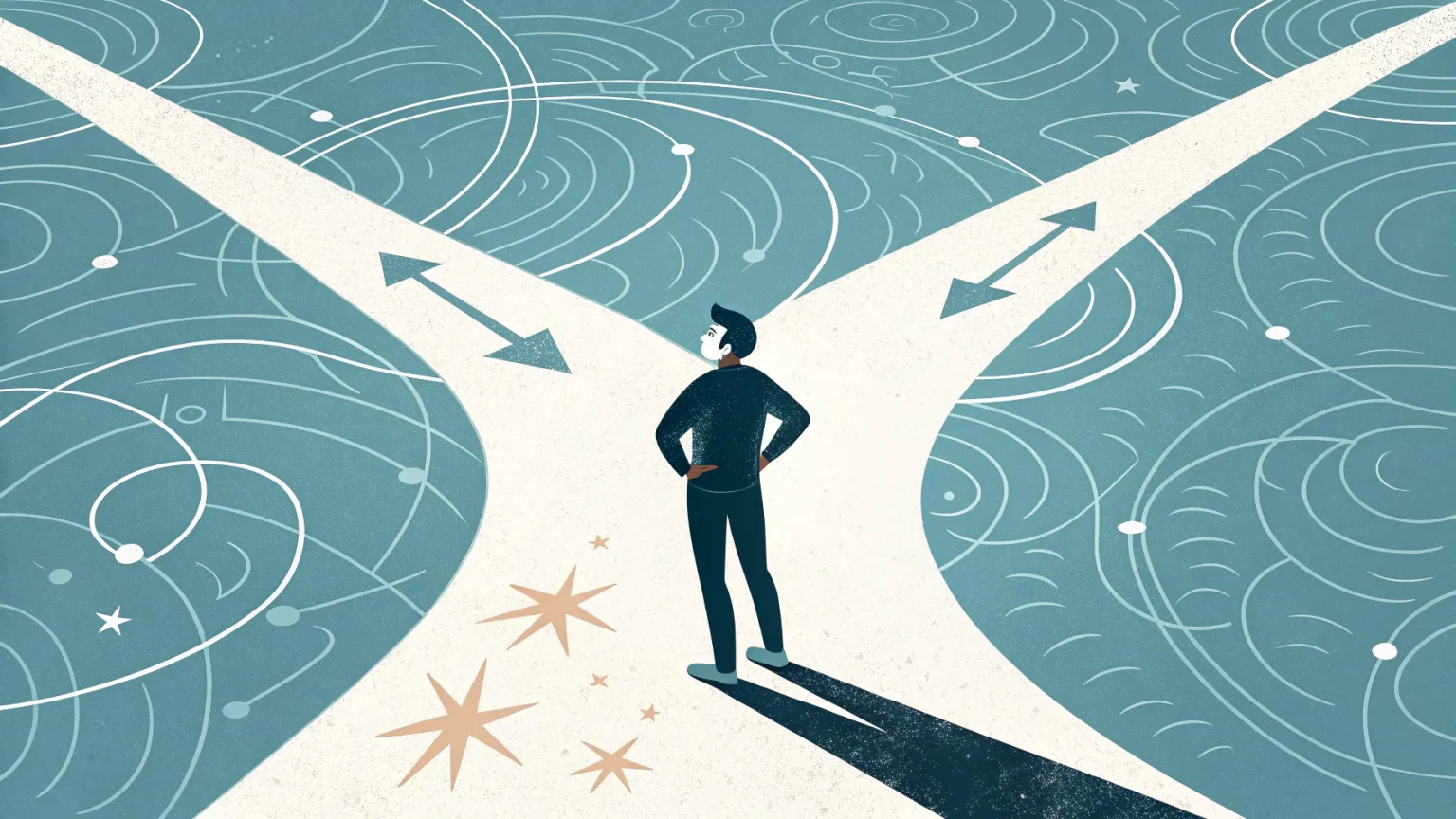
As Chairman of the Napoleon Hill Institute and a former sports agency CEO, I have lived inside pressure cookers. Games. Deals. Cameras. What I learned is simple and strong: stress is not the enemy; it is a signal. It points to a chance to grow. The day itself is not stressful. Moments are. What we do with those moments defines our life.
“There’s no stressful days. There’s stressful moments in a day… every day is perfect. It’s how we react to that stress.”
My stance is clear: stress is an illusion until we give it power. That illusion can drain us, or it can teach us. I choose to treat stressful moments as feedback. When pressure hits, I ask what it reveals about my beliefs, my habits, and my preparation.
The Core Idea
Pressure does not make us suffer by default. Our interpretation does. If we see stress as a threat, we shut down. If we see it as a lesson, we level up. That is not just mindset talk. It is a practical method for decision-making, performance, and peace.
“Every time that I feel stressed, it’s an opportunity for me to expand and learn more about myself.”
Reframing is a skill, not a slogan. We can train it like a muscle. The goal is not to fake calm. The goal is to redirect attention toward the part we can control: our response.
How I Turn Stress Into Training
When a spike of tension hits, I run a simple playbook. It takes about 90 seconds. It works in boardrooms and locker rooms.
- Pause breathing: inhale four seconds, exhale six. Repeat three times.
- Name the feeling: fear, anger, shame, or urgency. Naming reduces its grip.
- Ask one question: what is the lesson here?
- Choose the next best action: one small step within my control.
- Close with gratitude: thank the moment for the signal.
This is not magic. It is method. The pause stops the spiral. Naming the feeling makes it visible. The question turns panic into data. Action creates momentum. Gratitude locks in the learning.
Miracle or Warning?
I was taught to hunt for miracles in messy moments. That does not mean ignoring problems. It means looking for the gift inside the grind. A contract delay can sharpen a plan. A tough loss can reveal a skill gap. A disagreement can build trust if handled with respect.
“Do we see it as a miracle? Or do we see it as the start of something good or start of something bad?”
Meaning is a choice. Choose a meaning that moves you forward.
What About Real Hardship?
Some will say, “You can’t call stress an illusion when people face real pain.” I hear that. This approach does not deny pain. It separates pain from panic. Pain is part of life. Panic is optional. We can honor our feelings while refusing to let them drive the car.
In high-stakes settings, I have seen this shift save seasons and careers. The athletes and executives who grow fastest are not the ones without stress. They are the ones who train their response.
Why This Matters Now
We do not control the volume of stressful moments. Some days bring more than others. But we can control our frame. Every day can still be perfect in the sense that it gives us a full chance to practice who we want to be.
That is the goal: not a life without stress, but a life where tense moments become reps for wisdom, patience, and impact.
Final Thought
If tension is hitting you today, try the 90-second playbook. Treat the moment like a coach. Ask what it is here to teach. Choose one action you can take now. Then log the lesson. Do this for a week and watch your relationship with pressure change.
Stress is an illusion. Growth is a choice. Make the choice, moment by moment.
Frequently Asked Questions
Q: How can I tell if stress is teaching me something or just wearing me down?
Look for a clear lesson and a next step. If you can name what you learned and take one useful action, you’re using the moment. If not, pause and breathe first.
Q: What if I don’t have time for a long routine during a crisis?
Use the 90-second version: three breaths, name the feeling, pick the next best action. Short, sharp, repeatable. It keeps you from freezing or overreacting.
Q: Isn’t calling stress an “illusion” dismissive of real issues?
The problems are real. The illusion is the belief that stress automatically controls you. Separate the facts from your fear, then respond with intention.
Q: How do I apply this with my team or family?
Model the process out loud. Breathe together, name the feeling, define the lesson, and assign one small action. Keep it simple and consistent.
Q: What should I do after the moment passes?
Debrief quickly. Write one line: what happened, what it taught, and the habit you will adjust. Small reviews create lasting change.


