

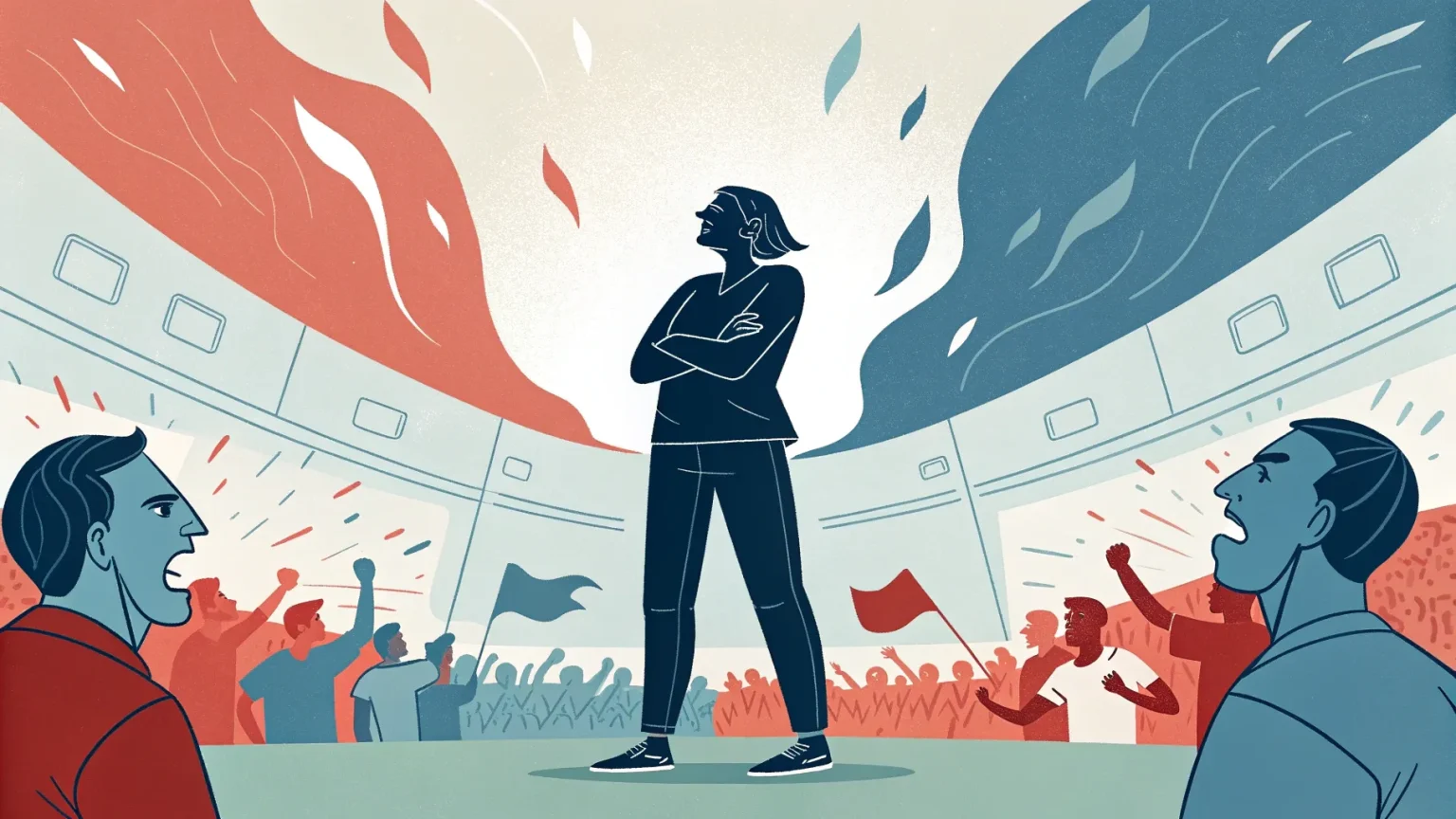
I have been in rooms where tempers run hot and egos run hotter. From sports deals to boardrooms, I have watched people take shots that felt personal. The easy move is to fire back. My stand is different: take control of your response, not their behavior. The fastest way to win an unfair moment is to remove its power over you.
“What did I do to get that attacking thought? What did I do to get that attacking action?”
That question is not blame. It is ownership. When someone attacks me, I look for my part in the equation. Maybe I misread the room. Maybe I overpromised. Maybe I projected fear. Accountability gives me leverage. Outrage just burns time.
Accountability Over Outrage
Personal accountability is a performance tool, not a punishment. It keeps emotions from running your day. It helps you find the lesson fast. The goal is not to excuse bad behavior. The goal is to keep your power.
I learned this as a CEO and now as Chairman of the Napoleon Hill Institute. People are human. They react from pressure, insecurity, or pain. If I choose blame, I match their state. If I choose ownership, I change the state of the exchange.
“Number two, I pray for their happiness. Because if they were happy, they wouldn’t be attacking me.”
That line often shocks people. But it is practical. Happy people do not need to harm you. If someone is lying, taking, or manipulating, they are usually scared or empty. Wishing them happiness is not soft. It is strategic. It breaks the cycle of reaction and gives you clarity to move on or set a boundary.

Compassion Is A Competitive Advantage
Some will say this is naive. They argue the world rewards force. I have tried force. It costs too much. It strains teams. It ruins deals. It creates short wins and long losses. Compassion, paired with firm standards, works better over time. It keeps your head clear. It protects your health. It protects your reputation.
There is a line I hold. Forgiveness does not cancel consequences. If harm continues, I cut it off. I do it without hate. Hate is a tax I refuse to pay. Calm strength changes outcomes more than rage ever has.
How I Practice This Every Day
Here is a simple system that keeps me grounded when things get heated. It is not complex, but it is consistent.
- Ask: “What was my part in this?” Find one fixable action.
- Shift: Wish the other person happiness. Release the fight.
- Decide: Reset the terms or remove yourself. No drama.
- Communicate: Speak facts, not insults. Keep it short.
- Review: Note the lesson. Build a better process.
Each step lowers stress and raises clarity. Try it for one week and track how your reactions change.
Why This Matters Now
We live in a hot-take culture. Outrage is cheap and popular. Leaders who can hold peace under pressure will separate themselves. Your clients, partners, and teams watch how you handle conflict. They trust people who do not spiral. They choose people who make problems smaller, not bigger.
My experience across business, sports, and coaching shows the same pattern. Responsibility plus empathy beats anger plus ego. Not once in my life has a rage-filled reply aged well. But a steady response has saved deals, careers, and relationships.
“If they were happy, they wouldn’t be screwing me. They won’t be manipulating.”
If that is true, then the smartest play is to stop feeding the cycle. Protect your time. Protect your energy. Protect your standards. Do it with strength and grace.
Final Thought
This is my challenge to you: the next time someone wrongs you, do not give them your peace. Take a breath. Own your part. Wish them well. Then act with clear limits. The result is freedom. The result is better choices. The result is a life that is not run by other people’s pain.
Start today. Choose accountability over outrage. Choose happiness over hate. Choose outcomes over arguments.
Frequently Asked Questions
Q: How do I stay calm when someone attacks me?
Pause for one breath. Ask what part you played, even if it is small. Respond with facts and boundaries. Do not match their tone.
Q: Does wishing someone happiness let them off the hook?
No. You can forgive and still enforce consequences. Compassion is about your state, not the absence of standards.
Q: What if the bad behavior keeps happening?
End the pattern. Change the terms, reduce access, or walk away. Protect your peace and your work without anger.
Q: How do I find “my part” when I feel blameless?
Look for any action you can improve: timing, tone, clarity, or expectation setting. Small adjustments create big gains over time.
Q: Why is this approach better for leaders?
Teams follow calm confidence. Accountability and empathy build trust, reduce drama, and produce better long-term results.


