

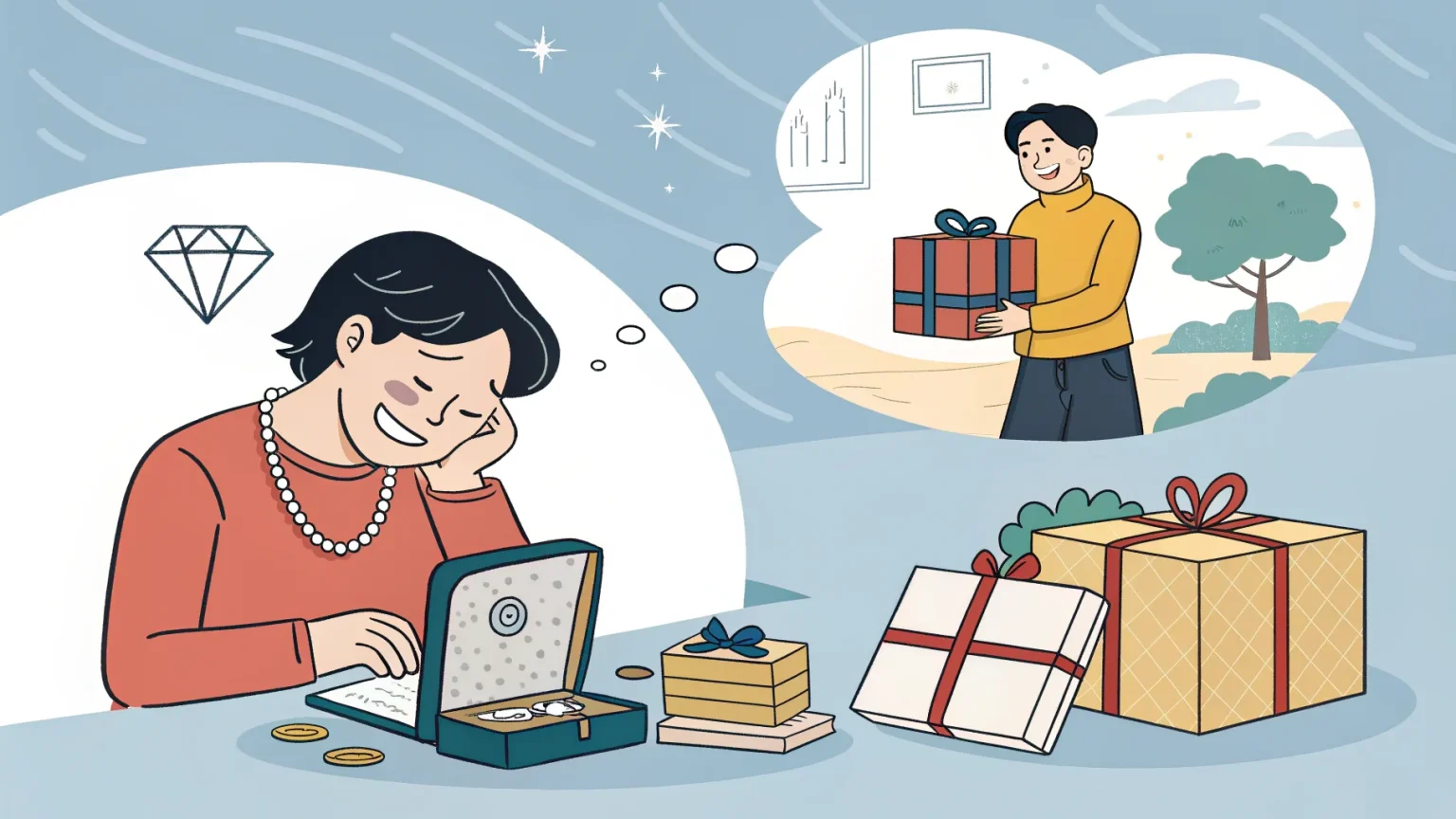
Does money buy happiness? For a decade I believed it did. The checks cleared, the trips were great, and people smiled when the bill arrived. But that belief turned out to be a trap. Money never bought love or happiness for me. It only bought options, and what mattered was what I chose to spend those options on.
Here is my stance after years of coaching business owners through this exact question: money is a tool, not a feeling. It can fund joy or fuel regret, depending on whether you spend on what feeds your values or what feeds your ego. That single choice shapes your days and your results more than the size of your bank balance.
Stop buying to impress, start buying to improve
There was a time I bought things I did not need to impress people I did not even like. It was noise. The more I chased approval, the less aligned I felt. Then the shift came: use money to create value, not to create envy.
That change transformed how I live, lead, and give. Spending, done right, is not about luxury. It is about selection: purpose over applause, growth over clutter, and service over status. Once I reframed it, the question stopped being does money buy happiness and became what am I actually buying with it.
What to spend on instead
Money can buy things that compound peace and progress. In my experience, these are the purchases that pay real dividends over time.
- Time: services that hand hours back to spend with family.
- Health: quality food, sleep, training, and care.
- Learning: mentors, courses, books, and coaching.
- Experiences: moments with meaning, not just stuff.
- Impact: giving, building, and backing people and causes.
- Relationships: trips, dinners, and tools that deepen trust.
Each of these replaces a short-term high with long-term gain. That is the real return on money, and it is one reason I tell self-employed clients to treat spending decisions with the same care as their bookkeeping.
The evidence from real life
When my money went to things that looked good on the outside, stress grew on the inside. The storage units grew too. There was no lasting joy, only the hunt for the next purchase. When my money went to giving, learning, and time, peace grew and so did results.
Research backs this up. Studies on well-being find that income raises day-to-day happiness up to the point where basic needs and security are met, after which more money does far less. The Consumer Financial Protection Bureau offers practical guidance on aligning spending with goals at consumerfinance.gov, and the Federal Trade Commission shares smart-spending resources at consumer.ftc.gov.
So here is the rule that guides me now: spend on the right things, then give more than you take. That mix creates both success and fulfillment in a way that chasing a bigger number never did.
Practical rules I live by
Keep it simple. Set filters that make decisions easy so you are not relitigating every purchase.
- If it adds time, wisdom, health, or impact, go for it.
- If it feeds ego or clutter, pass.
- Invest in people and skills before toys.
- Give first, and let results follow.
These rules are not moral theater. They are performance tools that build compounding returns in business and life. If you are still building your income, pairing this mindset with smart self-employment ideas is how you create options worth spending well.
A new way to measure wealth
Wealth is not how much you can buy. Wealth is how much you can give and still sleep well. It is how many people would miss you, not your things, if you were gone. It is the calm that comes from aligned choices.
Money will always test you with one question: what will you buy now? Choose growth. Choose service. Choose a life you are proud to own. Stop buying to impress, start buying to improve, and you will feel the shift faster than you expect. Try it for 30 days and track the change in your time, mood, and relationships.
Frequently asked questions
Does money buy happiness?
Money buys comfort, safety, and options, which support happiness up to the point where your needs are met. Beyond that, how you spend matters far more than how much you have.
How do I know if I am spending on the wrong things?
If a purchase is mainly about approval, status, or matching someone else’s life, pause. If it will not matter to you in six months, it is probably the wrong buy.
What should I spend money on to feel happier?
Time-saving services, health, learning, meaningful experiences, and relationships tend to deliver lasting returns, unlike status purchases that fade quickly.
Can giving money away really make me happier?
Yes. Strategic giving builds trust, strengthens relationships, and is consistently linked to higher well-being, and it often opens networks that pay back in unexpected ways.
Where does luxury fit into this approach?
Luxury is fine when it aligns with your values and does not crowd out health, learning, or impact. Fund the important categories first, then enjoy it without guilt.
What simple test should I use before a purchase?
Ask whether it adds time, health, wisdom, or impact. If yes, consider it. If not, skip it. That single filter keeps spending decisions clear.


