

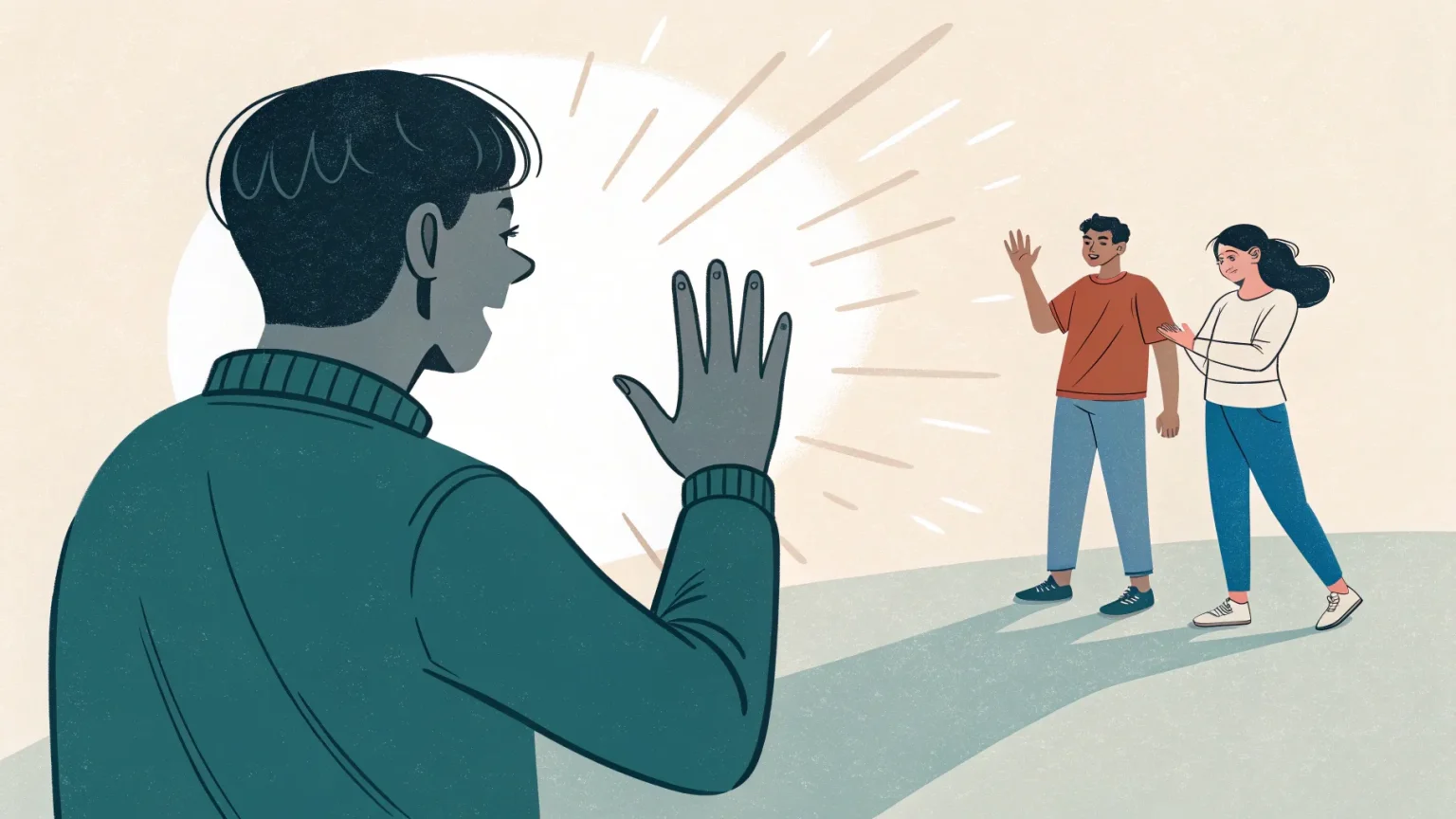
Arguments rarely collapse from logic. They blow up from ego. I’ve coached leaders, athletes, and families through high-stakes moments, and the pattern repeats. We say things we regret, double down to defend pride, and turn a small spark into a bonfire. My take is simple: the most powerful move in an argument is the pause.
What I teach—and practice—is a reset that changes the outcome. It’s not about winning the exchange. It’s about winning back your peace and your purpose. This matters because conflict wastes energy, damages trust, and blocks the opportunities that cooperation brings.
The Discipline of the Pause
In heated moments, the inner voice can be brutal. I know that voice well. The voice that mutters, “Why did you say that?” and then pushes you to say more. As I say publicly, this is the trap:
“Many times are you in the argument and actually talking to yourself going, shut the [expletive] up. Stop. I can’t believe I just said that. And then she says something else or he says something else, so you double down… And you just keep going through this.”
That’s the pattern. The antidote is humility and breath.
My stance: control of breath is control of outcome. When you pause, you slow the chemicals, calm the nervous system, and restore choice. Without the pause, ego drives. With it, intention leads.

My Method: Stop, Drop, Breathe
Here’s the practice I use in real time. It’s simple, portable, and it works.
- Stop: Say nothing. Freeze the reaction. No tone, no posture shift, no eye roll.
- Drop: Drop into your body. Feel your feet. Loosen your jaw and shoulders.
- Breathe: Slow inhale. Longer exhale. Repeat until your pulse steadies.
Breathing is the bridge to clarity. Once the system settles, I reconnect to what I call source. Call it God, truth, or your highest self. Then the next steps become clear:
- Recollect: Gather your thoughts. What matters here?
- Remind: Remember the relationship, not just the point.
- Remember: Who are you when you’re at your best?
I’ve said it this way many times for a reason:
“Stop, drop, breathe, and keep on breathing until you drop down to recollect, remind, and remember with your God, with your source. And when you feel at ease, now you can roll back into your divine direction.”
Why This Works
Pressure triggers protection. When you feel attacked, your brain trades wisdom for survival. You argue to win, not to learn. Breath resets that reaction so you can return to your values.
Presence beats posture. People feel the shift when you’re calm. Tone softens. Words land. You don’t need to prove you’re right when you’re aligned with what’s right.
Purpose guides language. When I reconnect to purpose, my words serve the goal, not my pride. I ask better questions. I listen without loading my next punchline.
Common Pushback—And My Response
Some will say, “If I pause, I’ll look weak.” That’s fear talking. Strength isn’t loud. It’s steady. The pause is not surrender; it’s strategy.
Others argue, “I don’t have time to breathe in a live conflict.” You don’t have time not to. Ten seconds of breath can save ten days of damage control.
How to Start Right Now
Practice the pause when the stakes are low, so it’s ready when the stakes are high.
- Rehearse one sentence: “Give me a second to think.”
- Count a 4-second inhale, 6-second exhale three times before responding.
- Set an intention word before tough talks: “Respect,” “Clarity,” or “Unity.”
I’ve built careers, saved deals, and healed friendships with this simple tool. You can, too. The goal isn’t silence. The goal is guidance. Speak from alignment, not adrenaline.
The bottom line: Strong relationships are built in the pause. Your best self is waiting on the other side of one calm breath.
Final Thought
Arguments don’t have to be wars. Choose the pause. Breathe until you feel ease. Then move in your true direction. Do that this week with one hard conversation. Notice the change. Build from there.
Frequently Asked Questions
Q: What if the other person keeps pushing while I pause?
Hold your ground kindly. Say, “I want to give you a real answer. Let me take a breath.” Most people will follow your pace when you set it.
Q: How long should I breathe before responding?
Aim for three slow cycles with longer exhales. If your heart rate drops and your shoulders relax, you’re ready. If not, take one more.
Q: What if I already said something I regret?
Own it quickly. Try, “I don’t like how I said that. Let me reset.” Then return to the point with calmer language.
Q: How do I reconnect to purpose during conflict?
Use a cue word—like “Respect” or “Service.” Repeat it in your mind while breathing. It will guide your tone and choices.
Q: Can this method work in high-stakes business meetings?
Yes. A measured pause signals confidence. It helps you ask better questions, avoid rash statements, and protect relationships and outcomes.


