

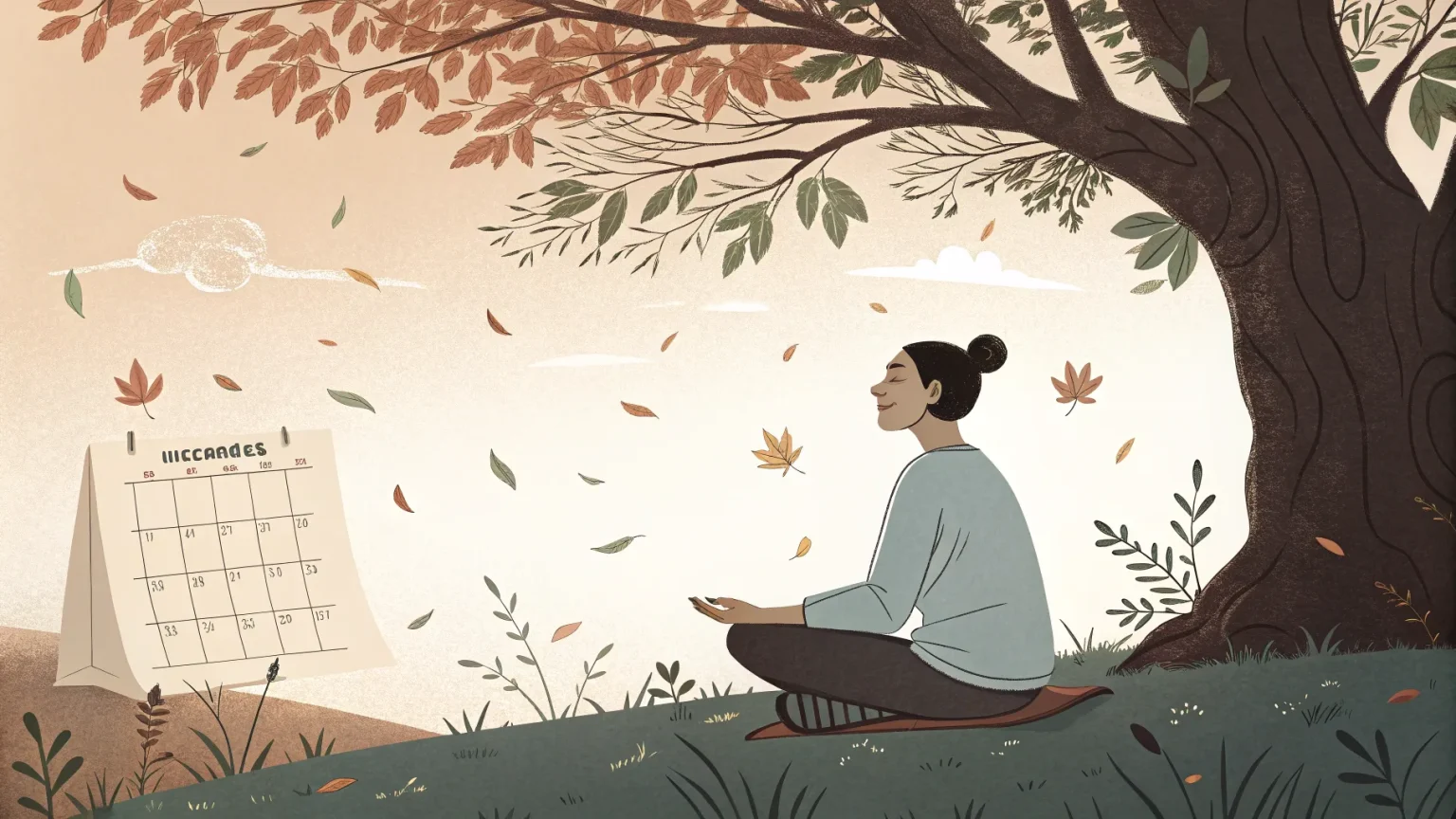
Thanksgiving is on the calendar, but gratitude deserves a spot on the daily schedule. My stance is simple: gratitude is a performance enhancer for life. It sharpens the mind, calms the body, and steadies the heart. Waiting for a holiday to practice it is like waiting for a crisis to fix the roof.
As someone who helps leaders grow and has rebuilt companies under fire, I’ve learned this the hard way. A disciplined gratitude practice has been the most reliable advantage I’ve found. Not luck. Not hustle. Gratitude.
The Case for Daily Gratitude
My routine started in 2017 with a simple rule: three entries in a gratitude journal every day. That habit has carried me through storms. It hasn’t erased pain. It has changed me in the pain. Gratitude doesn’t deny the hard; it reframes it.
“We should be intentionally thankful and grateful every day.”
The benefits aren’t just warm feelings. They’re measurable. I’ve seen it in my health and my leadership. Science backs it too.
What The Data—and Experience—Say
Stress chemistry shifts when gratitude becomes a practice, not a mood. That matters for performance, decision-making, and relationships.
“Cortisol levels… go down 20 to 25% from regular intentional gratitude.”
Cortisol is tied to stress and inflammation. Lowering it helps you think clearer and recover faster. There’s more.
- Serotonin and dopamine rise with regular gratitude, improving mood and motivation.
- Heart rate variability goes up, a sign of better resilience and lower inflammation.
- Sleep improves—you fall asleep faster and get deeper, more restorative rest.
Those aren’t small wins. They stack up. Better sleep and lower stress change how you lead, sell, hire, and connect. They make you steadier under pressure.
Gratitude Isn’t Denial—It’s Direction
The ancient king David modeled this well. He faced betrayal, war, and fear. He vented his pain, then he pivoted. That shift matters.
“He’d pour out his woes and his troubles, but then he would say, but I remember your goodness.”
That’s the move: name the struggle, then remember the good. It’s not giving thanks for hardship. It’s giving thanks despite hardship.
“We must remember and give thanks.”
Some will argue this is toxic positivity. It’s not. It’s attention management. You choose what gets the final word in your mind. Problems get a voice. Gratitude gets the vote.
How I Practice It—and How You Can Start
Keep it simple. The goal is consistency, not poetry. Tie it to things you can feel and see. I stick to this every day.
- Write three specific things you’re grateful for. Keep them small and real.
- Anchor them in senses: something you saw, heard, tasted, or felt.
- Note one person by name and why you’re grateful for them.
- Review yesterday’s entries before adding today’s.
- End by saying thank you—out loud.
If you want a fast start, use this prompt for a week: breath, sight, sound, love. As I often remind myself: the fact that we get to breathe, see, hear, and experience love is no small thing.
What Changes When Gratitude Leads
Leaders who practice gratitude become calmer under pressure. Teams mirror that tone. Families do too. You notice bright spots you used to miss. You respond, not react. Gratitude turns noise into signal.
“We go to sleep faster. We have deeper sleep, more restorative sleep from a simple thing called gratitude.”
That simple thing has ripple effects across health, work, and relationships. It’s not magic. It’s training.
My Challenge To You
Don’t wait for Thanksgiving to be thankful. Start tonight. Write three lines. Do it again tomorrow. Give it 30 days. Measure your sleep, your mood, and your stress. Watch what shifts.
Choose gratitude on purpose. Not because life is easy, but because you want to live it well. Stay steady, stay grateful, and as I like to say—stay frosty, my friends.


