

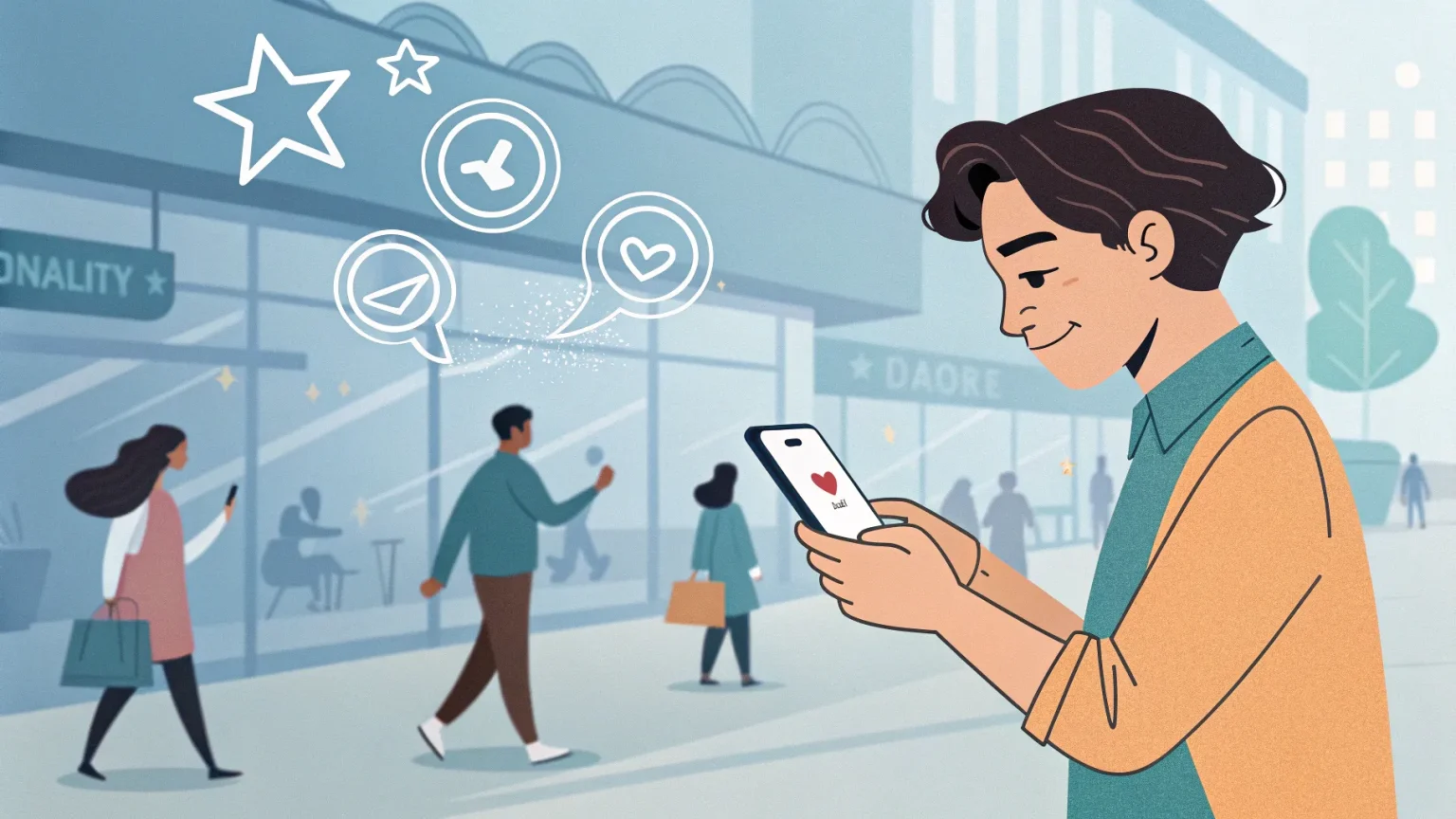
The generation that switches brands the fastest is also driving demand for loyalty programs. This counter-intuitive trend caught my attention recently, especially as companies like Starbucks and Delta seem to be scaling back their loyalty offerings.
As someone who studies customer experience trends, I find this fascinating. Gen Z (roughly ages 18-28) might not have the same income as older generations, but they’re seeking something deeper than just discounts and perks. They want community and belonging – something loyalty programs can uniquely provide when done right.
What Makes Gen Z Different
Gen Z is the first purely digitally native generation. They were practically born with mobile phones in their hands, building communities online from an early age. But after experiencing isolation during the pandemic years that stunted their in-person community building, many are now seeking deeper connections.
The best loyalty programs recognize this need. They’re not just offering points – they’re creating communities where Gen Z can feel special and part of something bigger. This explains why a generation known for brand-hopping is simultaneously demanding more robust loyalty programs.

Brands Getting It Right
Nordstrom has done an exceptional job with their Nordy Club. Beyond offering notes and monetary rewards for purchases, they create special events – inviting members to watch DJ performances, attend clothing showcases, and connect with personal stylists. This event-based loyalty builds community while driving revenue.
IKEA is another standout example. Their loyalty program leans into the concept of “building your life” – perfect for Gen Z who are at that life-stage. They offer specialists who help members design spaces, create an atmosphere of possibility as you walk through their showrooms, and leverage social media to showcase people building their lives with IKEA products.
Both brands understand something crucial: loyalty programs aren’t just about discounts. They’re about creating experiences that resonate with where Gen Z is in their life journey.
Where Some Programs Fall Short
Companies like Starbucks and Delta are struggling to adapt their loyalty programs to this new generation. Starbucks lost its way by focusing too much on getting drinks out quickly rather than creating in-store experiences. The original Starbucks brand was about going into the coffee shop, not just driving through.
I remember when Starbucks functioned as a co-working space where people would spend hours. College students would gather there to study and collaborate. That community aspect was powerful for building loyalty at a young age.
Delta, meanwhile, hasn’t done enough to make budget travel easier for price-sensitive 20-somethings. They’ve optimized their program for older generations without creating pathways for Gen Z travelers. As a result, many young travelers flock to low-cost airlines instead.
Beyond Points and Perks
The ultimate loyalty program has nothing to do with points, perks, or gifts. It’s about creating such a good experience that customers would return even without rewards. While loyalty programs are now table stakes in many industries, the real differentiator is the experience.
For example, Delta flight attendants who greet frequent flyers by name create a personal connection that matters more than points. American Airlines’ proactive rebooking when connections are missed shows they “have your back.” These human touches build true loyalty.
AI and the Human Connection
Gen Z is the first generation experiencing the introduction of generative AI as a new technology in their lives. While they’re using AI at impressive rates (about 24% use AI assistants to help decide what to buy), they still crave human interaction.
This generation is smarter about AI than we might think. They’re using it as a tool, but they still want real human connections. In fact, I’m more concerned about younger generations like Gen Alpha, who might grow up with AI friends as their primary connection to the world.
The most effective loyalty strategies will use AI as an enabler while emphasizing human connection. All good customer experiences ultimately come down to two humans co-creating value together. Even our most advanced AI experiences are created by humans, for humans.
As brands compete for Gen Z loyalty, those that lean into humanity while using technology thoughtfully will win. The generation that seems most digital may actually be the one most hungry for authentic human connection.


