

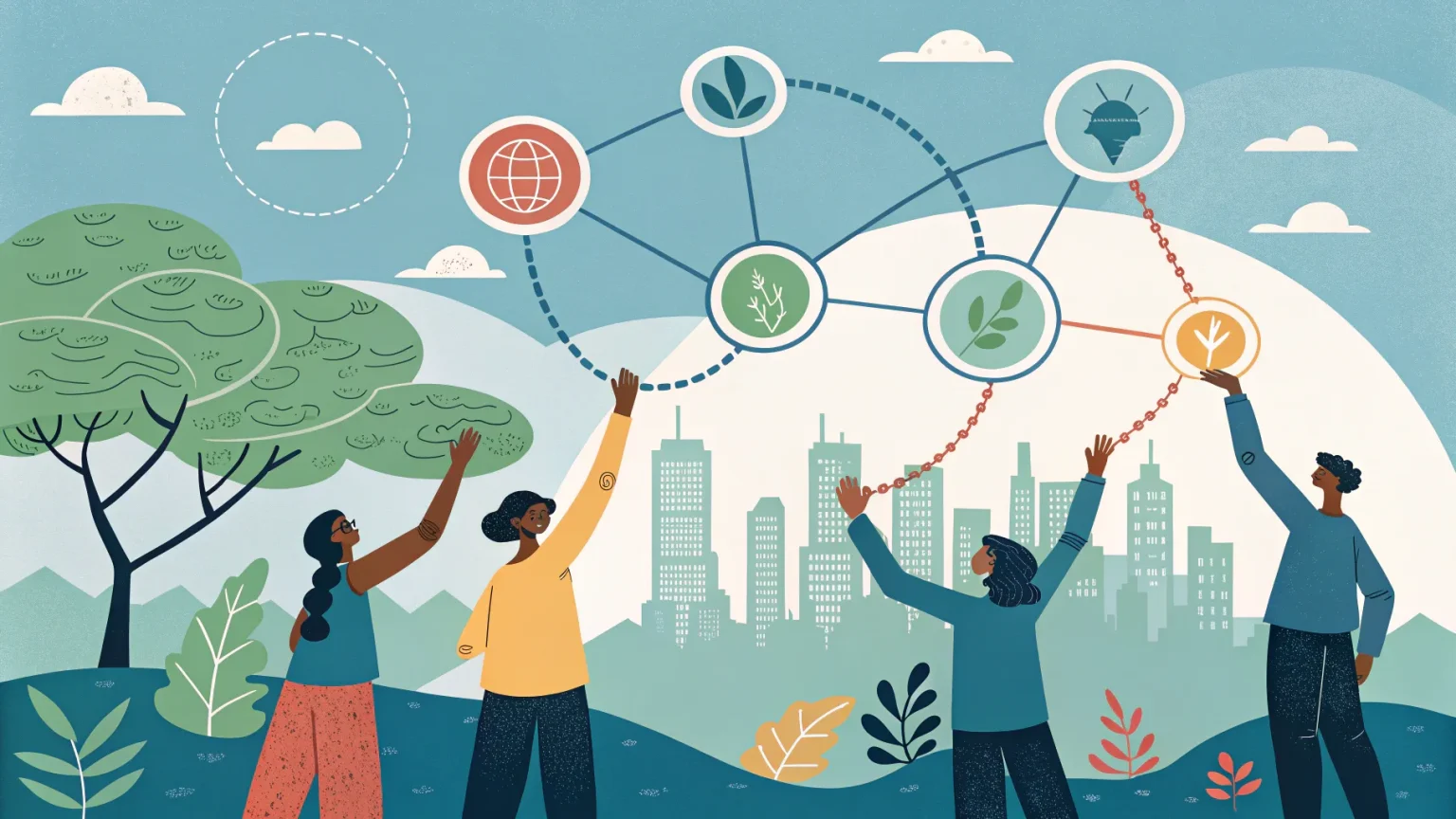
I’m Rhett Power, and this week in Doha I felt a shift. The crowd, the energy, and the conversations told a simple truth. The center of innovation has moved. It no longer sits in one city or one country. It flows where capital, talent, and long-term vision meet. That has huge implications for how we lead and how we build.
My view is direct: the next decade will reward bridge-builders over solo sprinters. Companies that cling to old rivalries and old maps will fall behind. Those that connect regions, link industries, and move with speed will set the pace.
Innovation Has Changed Its Center of Gravity
Conversations with founders, investors, and policymakers had one clear theme. We’re not talking about a single tech hub running the table. We’re looking at a networked engine. I heard it again and again and said it myself because it’s true.
“I think what’s striking isn’t that it’s just about technology. This is about this week I’ve seen a shift in the gravity. And what I mean by that is innovation is no longer, owned by one geography.”
That shift matters. It changes where deals are done and where products are born. It changes who gets a seat at the table. It also changes how leaders should act. Power is spreading. Opportunity is moving. Strategy must move with it.
Competition Still Counts—But It’s Not Enough
I admire sharp competition. It forces focus. But the big problems won’t bend to siloed efforts. Consider deep tech, AI, security, climate, and infrastructure. These fields demand talent, data, policy, and resources that no single actor can supply alone.
“The next decade will be built through collaboration, not competition alone. Deep tech, AI, security, climate, infrastructure, none of it scales, in isolation anymore.”
Some argue that partnerships slow teams down. They worry about coordination costs or misaligned goals. I get it. But that fear misses the point. Smart collaboration accelerates the right work. It unlocks markets. It de-risks bets. It builds trust with customers and regulators.
Yes, speed matters. But speed without reach and credibility is a sugar high. The winners will move fast and build bridges at the same time.
What Leaders Should Do Now
Here’s how to act on this shift without losing momentum.
- Map your alliances: Identify two regions where your product could gain an edge through local partners, not just distributors.
- Blend teams early: Form joint squads across companies or sectors to co-design, not just co-market.
- Share incentives: Tie value to shared outcomes like adoption, safety, or uptime—not vanity metrics.
- Build policy fluency: Involve policymakers early so rules and product plans move together.
- Protect the core: Keep a fast internal track for critical IP, but invite partners into adjacent layers.
These steps keep the engine quick while expanding reach and trust.
Bridge-Building Is a Leadership Skill
I coach executives and founders for a living. The best ones do three things well. First, they spot where vision, talent, and capital can align. Second, they create shared language across cultures and sectors. Third, they make decisions fast and keep promises.
That’s not some soft skill set. It’s how real value gets built now. The future belongs to those who can connect regions, industries, and ideas—then execute with urgency.
“The future belongs to those who can build bridges between regions, industries, and ideas while moving fast enough to execute.”
This is the signal from Doha. The global conversation is not about who owns innovation. It’s about who can coordinate it, scale it, and deliver it.
The Moment Demands Readiness
I left the floor with one pressing question for leaders: are you set up to meet this shift? That is the real test. If your org chart rewards turf wars, fix it. If your product plan assumes one market will carry you, rethink it. If your culture punishes partnership, change it.
“This is where the global conversation is headed and, the question is, you know, who’s ready to meet it?”
My conclusion is simple and strong: collaboration is now a competitive advantage. Treat it as core strategy, not a side bet.
Act now. Pick one high-stakes goal and bring two new partners into it within the next quarter. Set shared metrics. Move fast. Then repeat. If we do that, we won’t just chase the future—we’ll build it together.


