

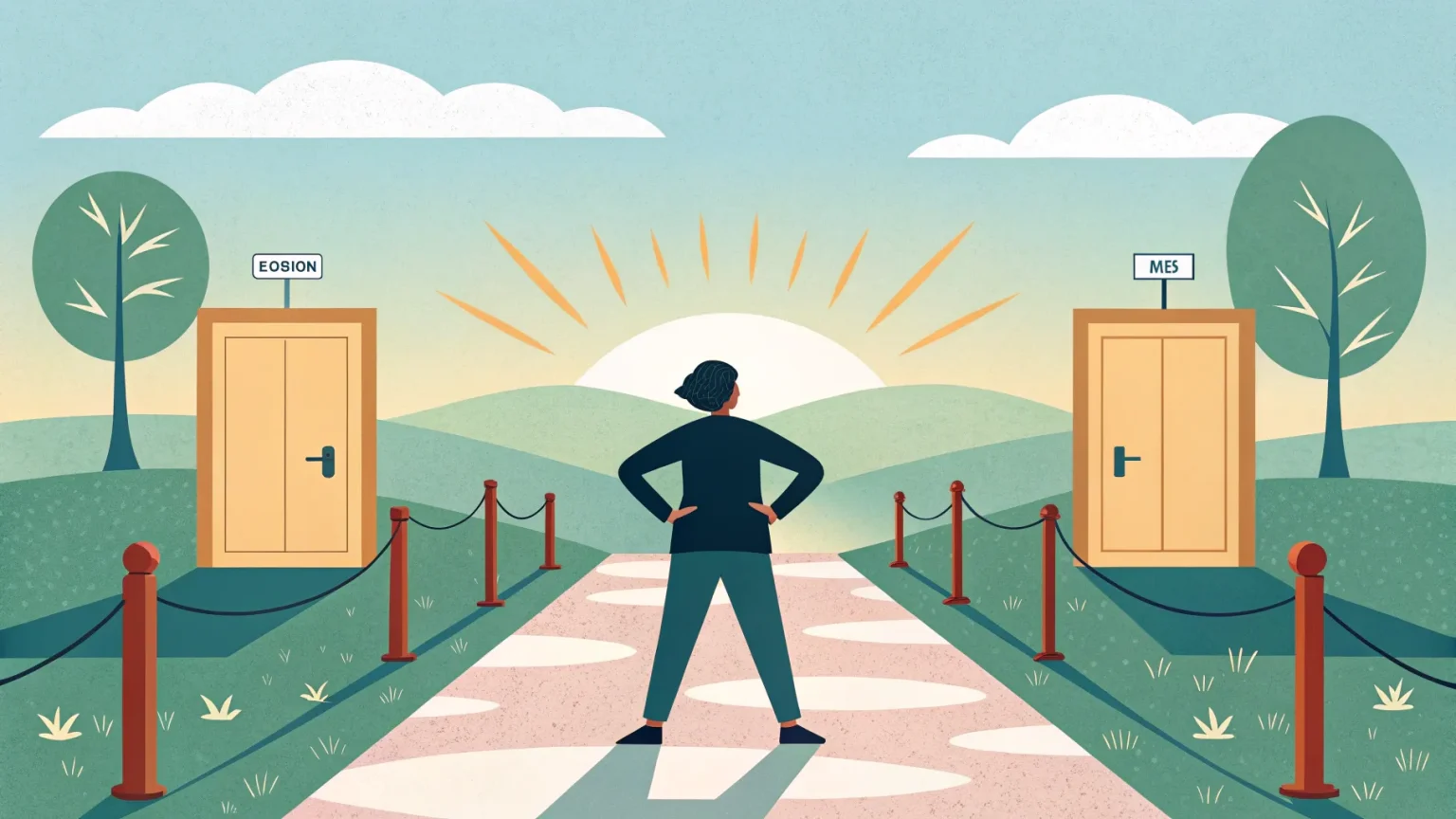
Rejection used to scare me. Then it became my greatest edge. My stance is simple: no is the fastest path to yes. Say it out loud. Feel how it flips the fear into fuel. That shift has shaped my life as a husband, a leader, and a coach.
This matters because most people stop right before the door opens. They hear no, assume finality, and walk away from growth. I don’t. I track no’s like mile markers. Each one moves me closer to a target, not farther from it.
“I love no’s… What if I’m only 25 no’s away from getting my dream girl?”
“Every no you get, you’re just that much closer. You’re not farther away. It’s just perspective.”
The Core Idea: Turn No Into a Scoreboard
As a young man, I reframed rejection by giving it a number. The first time a girl turned me down, I didn’t sulk. I set a simple rule in my head: 25 no’s equals a yes worth waiting for. On the second rejection, I told myself there were only 23 left. On the twenty-fourth, my best friend asked why I was smiling. I said, “I’m almost there.”
That mindset spilled into every part of my life. Deals, jobs, partnerships—same system. No is data, not defeat. It helps me adjust my ask, refine my timing, and qualify the fit. That’s how I ended up with the right wife, the right homes, and the right work. Not because doors flew open, but because I kept knocking with better questions and better intent.
Evidence From the Field
People often think success is a straight line. It’s not. It’s a series of closed doors that train you to find the open one. The “no’s” I collected taught me how to listen, how to adjust, and when to move on. They taught patience and selection. Over time, the right yes showed up because I was still present to receive it.
There’s a deeper lesson here: persistence is not mindless. It’s focused. I never push the same weak pitch again and again. Each no forces a change—message, method, or market. If nothing shifts, that’s stubbornness, not grit.
How to Use No Without Burning Out
This approach is simple. It works in sales, hiring, dating, and partnerships. It also protects your energy by turning rejection into a learning loop.
- Count your no’s on purpose. Give yourself a target and make it a game.
- Ask, “What did I miss?” after each no. Write down one fix.
- Refine the ask. Change the timing, channel, or offer each time.
- Qualify better. A fast no from the wrong fit saves time.
- Detach from the outcome. You own your activity, not their answer.
- Celebrate progress. One no down means one step closer.
This isn’t about chasing every door. It’s about improving your approach and targeting the right ones.
What About Quitting?
Some will say this sounds like toxic optimism. It’s not. I love no’s because they give me clarity. If the pattern shows no fit, I pivot. That is not quitting. That is selection. The goal is the right yes, not any yes.
Another pushback is sunk cost. “You’ve gone this far, keep pushing.” No. Persistence without learning wastes time. Iteration is the secret. Adjust, test, and respect feedback. A smart no protects your dream more than a forced yes.
The Payoff
Here’s the truth I live by: consistency compounds, and perspective controls consistency. When no becomes a milestone, you keep going. You get sharper. You gain the yes that actually lasts. That’s how I built a career, taught leaders, and built a life I’m proud of—not from one lucky break, but from a stack of no’s that trained me to ask better.
So track the reps. Let no do its job. Then show up again, a little wiser, a little stronger.
Final Word and Call to Action
Count your next 25 no’s on purpose. Adjust after each one. Share the lesson with someone you lead or love. If you change your relationship with rejection, you change your results. The right yes is closer than you think—if you keep asking with humility, skill, and heart.
Frequently Asked Questions
Q: How do I know if I should keep pushing or pivot?
Track patterns. If the same objection repeats, change your offer or audience. If the feedback shows no fit, pivot. If quality interest rises, keep going.
Q: Won’t counting no’s make me tolerate bad prospects?
No. Qualify harder. A fast no from the wrong person is a win. It frees time for people who actually need what you offer.
Q: How can I stay motivated after a tough rejection?
Reduce the goal to activity you control. Make two more asks. Record one lesson. Reward the action, not just the outcome.
Q: What’s the best way to learn from a no?
Ask for one honest reason. Don’t argue. Thank them. Adjust one thing next time—message, timing, channel, or price.
Q: Does this approach work outside of sales?
Yes. It helps in hiring, partnerships, fundraising, even dating. The method is the same: refine the ask, target better, and keep showing up.


