

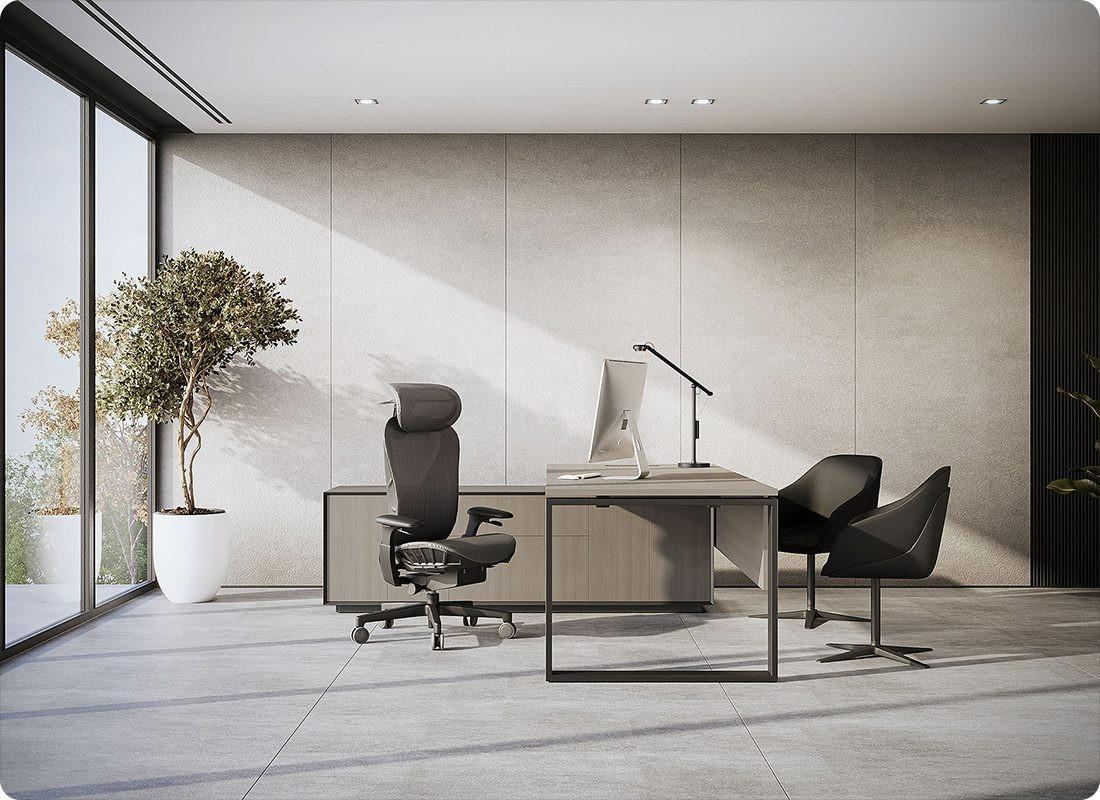
While founders spend every waking hour obsessing over product market fit, hiring, and funding, the office layout is frequently left in the shadows. It becomes a rushed task, pushed to the bottom of the list until the lease is signed and the team is already walking through the door.
That’s a mistake.
The physical workspace plays a bigger role in productivity, focus, and team performance than many founders realise. Poor design decisions don’t just affect aesthetics, they quietly create friction that slows work, drains energy, and limits how teams collaborate.
Here are some of the most common office design mistakes founders make and how to fix them before they start costing the business.
1. Treating Office Design as Decoration, Not Strategy
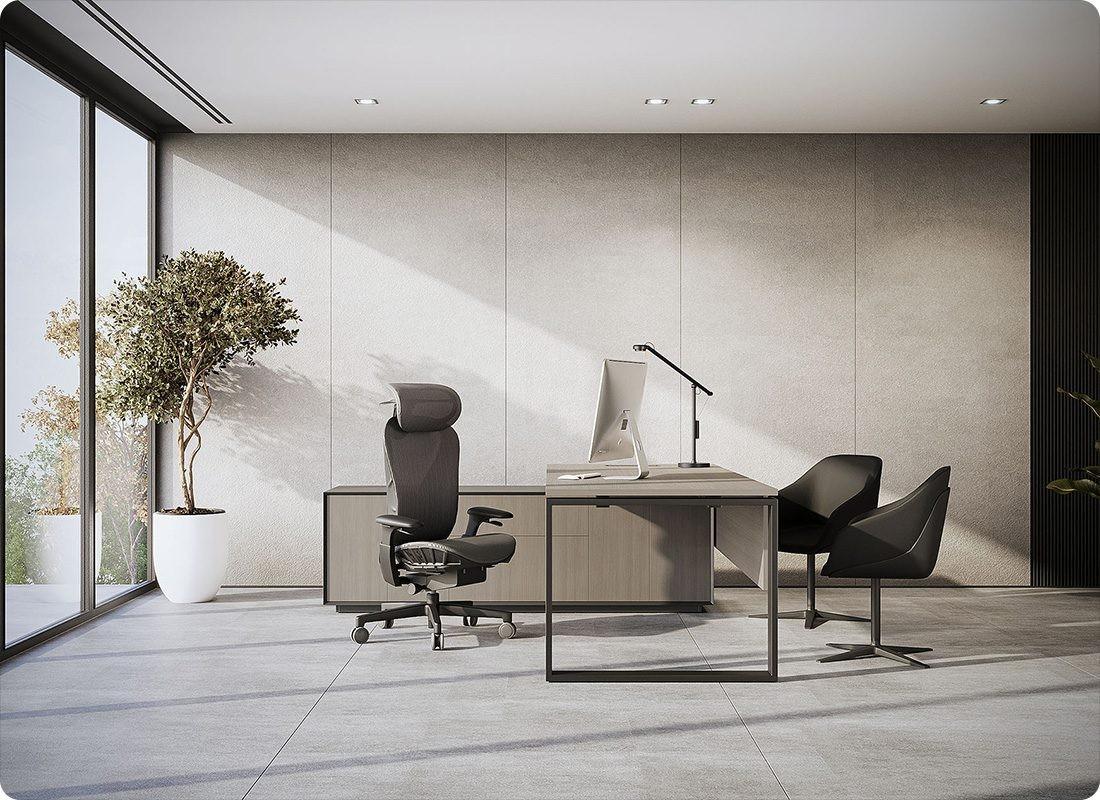
Many founders see office design as a visual exercise: choosing furniture that looks modern, minimal, or startup-like. But design isn’t about how an office photographs, it’s about how it functions during long workdays.
When layout decisions are driven purely by appearance, teams often end up with:
- Cramped workstations
- Poor circulation paths
- Inadequate focus areas
- No flexibility for growth
Start with how work actually happens. Map out daily workflows, collaboration needs, and quiet focus requirements before choosing layouts or furniture. Design should support operations, not distract from them.
2. Underestimating the Impact of Ergonomics
Uncomfortable chairs, fixed-height desks, and poorly positioned screens don’t just cause physical discomfort, they reduce concentration and increase fatigue. Over time, this affects productivity and morale.
Founders often overlook ergonomics because the impact feels gradual rather than immediate. Invest in adjustable, supportive office workstations that accommodate different body types and working styles. Ergonomics isn’t a luxury, it’s a performance tool, especially for teams spending long hours at their desks.
3. Designing for Today, Not for Growth
Early stage teams frequently design offices based on current headcount, assuming they’ll figure it out later as they grow. The result is rigid layouts that become inefficient within months.
Choose modular layouts and furniture systems that can be reconfigured easily. This allows the office to evolve alongside the business without constant renovations or disruption.
4. Ignoring Focus in Open Offices
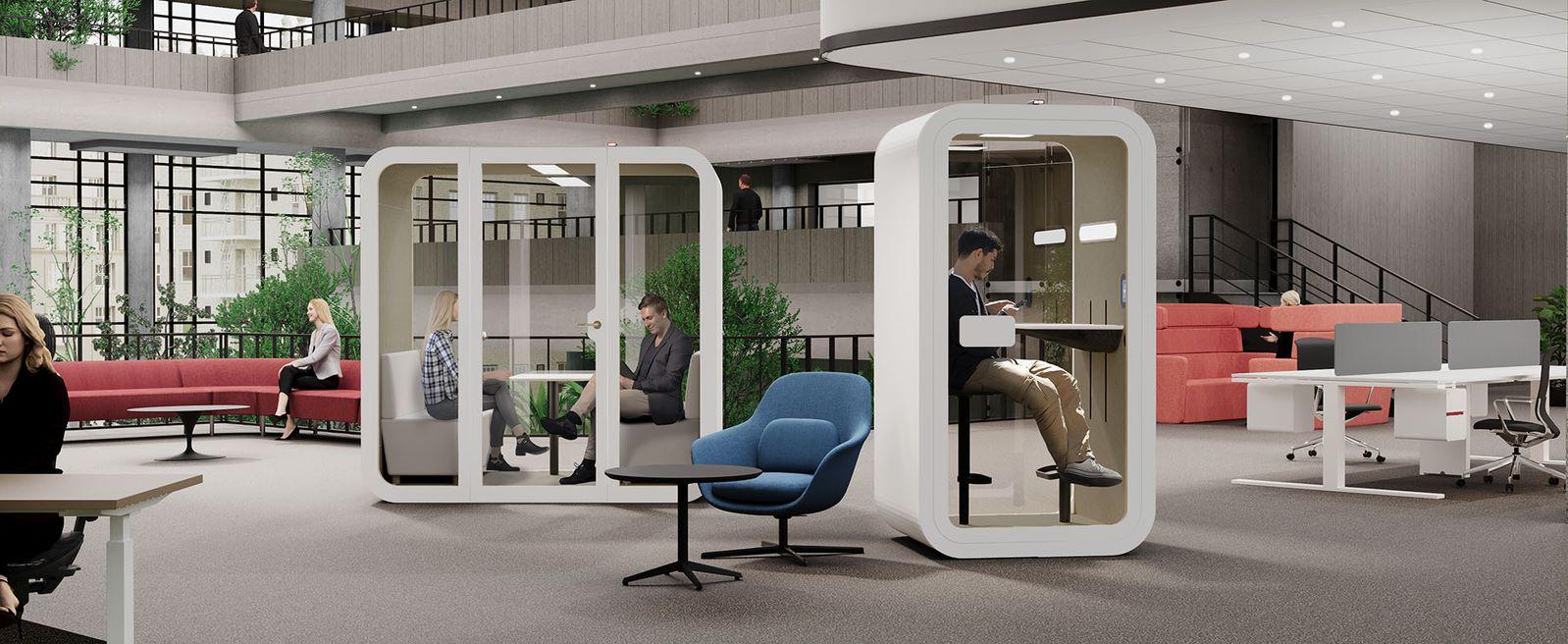
Open plan offices are popular for cost and collaboration reasons, but without proper planning they can become noisy, distracting environments. Many founders assume openness automatically improves teamwork, only to see, focus and deep work suffer.
Balance openness with variety. Incorporate quiet zones, small meeting areas, and semi-private spaces. Good office design gives employees choice over how and where they work throughout the day.
5. Leaving Design Decisions Too Late
Office design is often rushed at the end of a move in timeline, leading to compromises that stick around for years. When furniture and layout are decided after construction or fit-out, options become limited.
Bring workspace planning into the conversation early. Founders who collaborate with designers or experienced office furniture specialists during the planning phase are better positioned to align layout, furniture, and long term business needs.
In markets like the UAE, companies such as Urban 411 Office Furniture, a regional office furniture supplier, often work alongside businesses and designers to ensure furniture choices support flexibility, ergonomics, and spatial efficiency rather than working against them.
Why This Matters More as You Scale
As teams grow, small inefficiencies compound. A poorly designed office might seem manageable with five people, but with twenty or fifty employees, the cost shows up in slower workflows, higher fatigue, and disengagement.
Founders who treat office design as part of their operational strategy rather than a one time setup task create environments that support performance, adaptability, and long term growth.
Endnote
Office design isn’t about trends or aesthetics. It’s about creating a space that helps people do their best work, day after day.
By avoiding common design mistakes and planning with flexibility, ergonomics, and real work habits in mind, founders can turn their offices into quiet drivers of productivity rather than hidden obstacles to success.


