

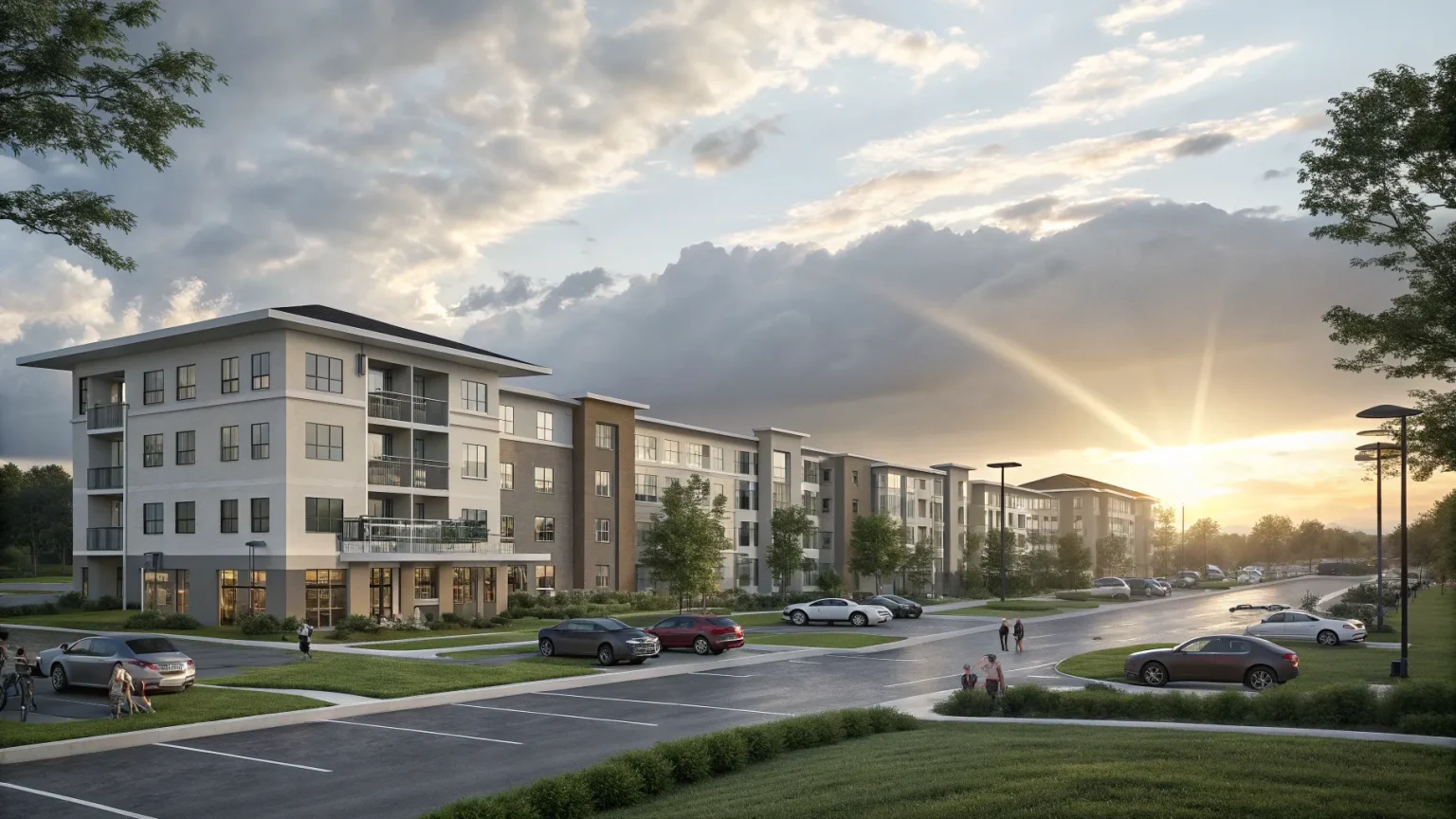
Rents across single-family and multifamily homes are softening as new units flood the market and tenants gain bargaining power. The shift, playing out across major metros and suburbs, reflects a cooling economy and a wave of recently completed construction. Property owners are offering concessions, while renters weigh more options and negotiate. The slowdown follows years of rapid increases that strained household budgets.
“Rents for both single and multifamily homes are coming down, as more supply hits the market and demand weakens.”
How the Market Got Here
After a surge in leasing during the pandemic, developers ramped up building in fast-growing regions. Projects delayed by labor and materials constraints are now finishing in clusters. That timing has created a supply bulge in cities that saw the most construction, including many Sun Belt hubs.
At the same time, renters face higher living costs in other areas, such as food, insurance, and transportation. Some would-be movers are choosing to stay put, especially as wage growth cools. Household formation has slowed, and more roommates are sharing to cut costs.
Historically, rent growth follows jobs and population growth. As hiring moderates, asking rents are adjusting. Vacancies have edged up in many large apartment communities, giving renters more leverage.
Single-Family vs. Multifamily: Different Pressures
Single-family rentals grew quickly when mortgage rates jumped and priced out buyers. Now, investors and “build-to-rent” operators face more competition from new subdivisions and townhome projects. In many suburbs, larger portfolios are trimming renewal increases to keep occupancy steady.
Large apartment buildings are seeing the biggest price adjustments. Lease-up properties, which must fill hundreds of units, are using free months and lower deposits to attract tenants. Mid-tier properties are matching offers to avoid losing residents to newer communities.
What Renters Are Seeing on the Ground
- More listings staying active longer before leasing.
- Move-in specials, such as one or two months free, returning in many metros.
- Smaller renewal hikes, and in some cases flat rents, for current tenants.
Brokers report that prospective tenants have more room to compare buildings and neighborhoods. In markets with the heaviest construction, advertised concessions are growing, even if headline rents look similar to last year.
Owners, Builders, and Investors Adjust
For landlords, the focus is shifting from pushing rates to protecting occupancy. Asset managers are recalibrating budgets, delaying some renovations, and targeting retention. Shorter lease terms are less common today, as owners aim for stability.
Developers are watching construction pipelines closely. Financing remains tight, which could slow future starts and stabilize the market later. Builders that broke ground earlier are moving to close out projects with aggressive marketing and incentives.
Institutional owners with scale can absorb slower lease-ups, but smaller investors may feel the squeeze. Higher insurance and property taxes reduce net income, and softer rents magnify that pressure.
Regional Differences and Affordability
Not every city is cooling at the same pace. Areas with fewer new deliveries, or with strict zoning, are seeing milder shifts. Coastal markets with chronic undersupply continue to face affordability challenges, even as asking rents stabilize.
By contrast, metros that permitted thousands of units during the pandemic are experiencing sharper declines. Many of these cities also attracted remote workers who are now returning to offices or cutting housing costs.
What This Means for Inflation and Policy
Shelter costs have been a stubborn part of inflation, but market rent changes tend to filter into official measures with a lag. Easing rents today could help slow reported inflation in the coming quarters. That could influence interest rate paths and mortgage markets.
Local officials are watching vacancy rates and affordability metrics. Some cities are expanding voucher programs or offering targeted tax relief to maintain supply. Others are reviewing zoning reforms to encourage building in high-demand areas.
Outlook: A Market Finding Balance
The near-term trend points to continued pressure on asking rents where supply is heaviest. As the current wave of projects completes and new starts decline, conditions may balance. Household formation and job trends will set the next phase.
For renters, the next few months offer a chance to negotiate and trade up in quality. For owners, steady occupancy and service quality will matter more than headline rent growth. Builders will monitor lending and absorption before launching new phases.
Rents are resetting after an unusual period. The market is moving toward a more sustainable footing, with clearer pricing and greater choice. Watch for how quickly concessions fade and vacancy stabilizes as the new supply is absorbed.


