

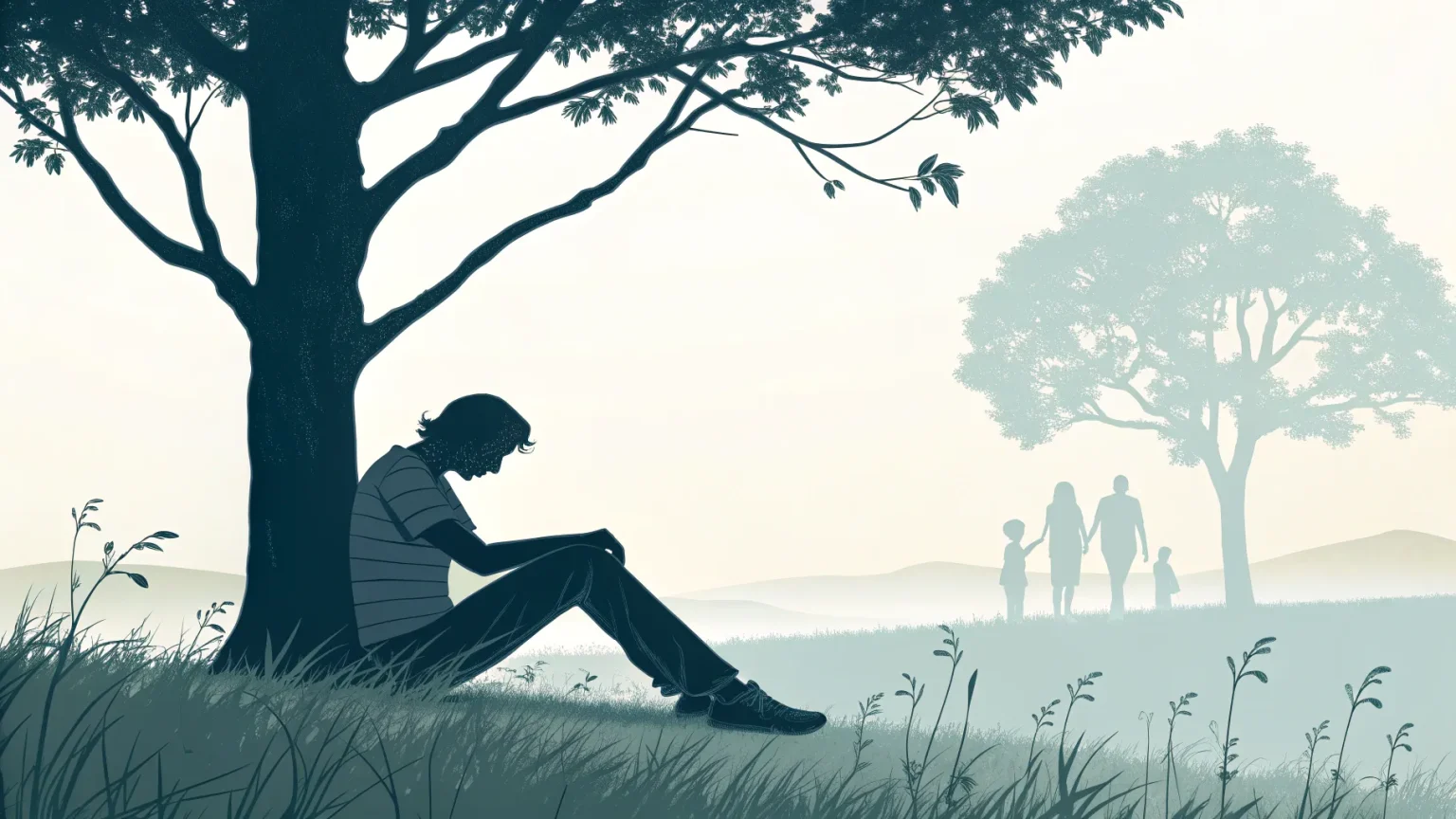
Burnout is a silent crisis affecting countless lives, and I know this firsthand. My personal journey through severe burnout wasn’t just a professional challenge—it was a family ordeal that stretched me beyond my limits. As a mother, wife, and daughter facing multiple family health crises simultaneously, I found myself completely depleted.
When my husband Chris suffered a career-ending concussion, my father experienced a severe stroke, and my mother was diagnosed with breast cancer shortly after, I discovered there simply wasn’t enough of me to go around. This perfect storm of family medical emergencies pushed me to my breaking point.
The Burnout Cycle I Couldn’t Break
Despite knowing how to care for my body in theory, my daily habits told a different story. My routine became a textbook example of unsustainable living:
- Consuming excessive amounts of coffee to power through exhausting days
- Neglecting proper nutrition while caring for everyone else
- Relying on alcohol (typically two glasses of wine) to wind down
- Struggling with insomnia despite complete exhaustion
This cycle is painfully familiar to many. We push ourselves beyond reasonable limits, use stimulants to keep going, depressants to calm down, then wonder why we can’t sleep or feel restored. The most frustrating part? I knew better, but couldn’t apply that knowledge to my own life while in survival mode.
View this post on Instagram
Creating a Sustainable Solution
Through this difficult period, I realized something crucial: most wellness approaches weren’t designed for people in crisis. When you’re barely keeping your head above water, you don’t have the bandwidth for complicated programs or extreme lifestyle overhauls.
This realization led me to develop a protocol based entirely on my personal experience—not as another quick fix, but as a sustainable path forward. What makes this approach different is its accessibility. It’s not:
- Another pill promising miracle results
- A restrictive diet that’s impossible to maintain
- A complex nutritional program requiring special foods
Instead, I’ve created a flexible framework of 40 habits that can be adapted to anyone’s lifestyle. The key insight that guided my approach was meeting people exactly where they are in their wellness journey—not where some idealized program thinks they should be.
The Universal Nature of Burnout
If you’re listening to this and thinking “this doesn’t apply to me,” I’d challenge that assumption. In my experience, virtually everyone falls into one of three categories: they’ve experienced burnout in the past, they’re currently suffering from it, or they’re dangerously close to it.
Burnout isn’t just for high-powered executives or healthcare workers. It affects parents juggling childcare and careers. It impacts caregivers supporting aging parents. It strikes entrepreneurs building businesses. And increasingly, it’s touching our younger generations who face unprecedented pressures.
The pandemic only accelerated this trend, blurring the boundaries between work and home life while adding new layers of anxiety and isolation. What was once considered an occupational phenomenon has evolved into a widespread health concern touching every demographic.
A Different Approach to Wellness
What I’ve learned through my journey is that sustainable wellness isn’t about perfection—it’s about progress. It’s not about following someone else’s ideal routine but creating practices that work within the constraints of your actual life.
The 40 habits I’ve identified aren’t meant to be implemented all at once. They’re a menu of options that can be gradually incorporated as you build capacity. Some might take just minutes a day, while others represent larger shifts in perspective.
Most importantly, this approach acknowledges that wellness isn’t linear. There will be setbacks and periods where survival mode is all you can manage. The difference is having tools to prevent complete depletion and strategies to rebuild when life inevitably throws challenges your way.
If you’re currently in the depths of burnout, know that recovery is possible. It won’t happen overnight, but with intentional, manageable changes, you can rebuild your resilience and capacity. I know because I’ve walked this path myself, and now I’m committed to helping others find their way back to balance.
Frequently Asked Questions
Q: How can I tell if I’m experiencing burnout or just regular stress?
Burnout goes beyond normal stress. Key indicators include emotional exhaustion that doesn’t improve with a good night’s sleep, cynicism or detachment from your work or family responsibilities, and a decreased sense of accomplishment despite working harder. Physical symptoms often include insomnia, frequent illness, and reliance on substances like caffeine or alcohol to regulate energy.
Q: Is it possible to recover from burnout while maintaining my current responsibilities?
Yes, recovery is possible without completely abandoning your responsibilities, though it may require temporary adjustments. The approach I developed focuses on implementing small, manageable habits that work within your current lifestyle. Sometimes this means setting boundaries, delegating tasks, or seeking additional support, but complete life upheaval isn’t necessary for meaningful improvement.
Q: What are some of the most impactful habits among the 40 you mention?
While everyone’s needs differ, some universally beneficial habits include establishing consistent sleep and wake times, hydrating properly before consuming caffeine, incorporating brief mindfulness practices throughout the day, and creating clear boundaries between work and rest periods. Often, the most powerful habits are the simplest ones that address your fundamental physiological needs.
Q: How long does burnout recovery typically take?
Recovery timelines vary significantly based on burnout severity, available support systems, and how long you’ve been experiencing symptoms. Many people notice meaningful improvements within 4-6 weeks of implementing targeted habits, but deep recovery from severe burnout can take 6-12 months. The key is consistent, small actions rather than expecting overnight transformation.
Q: Can these wellness habits prevent burnout from recurring in the future?
Absolutely. These habits serve both recovery and prevention purposes. Once integrated into your lifestyle, they create a foundation of resilience that helps you recognize early warning signs and take corrective action before reaching crisis. Many people who’ve implemented this approach report not only recovering from burnout but developing a heightened awareness that helps them maintain balance even during challenging periods.


