

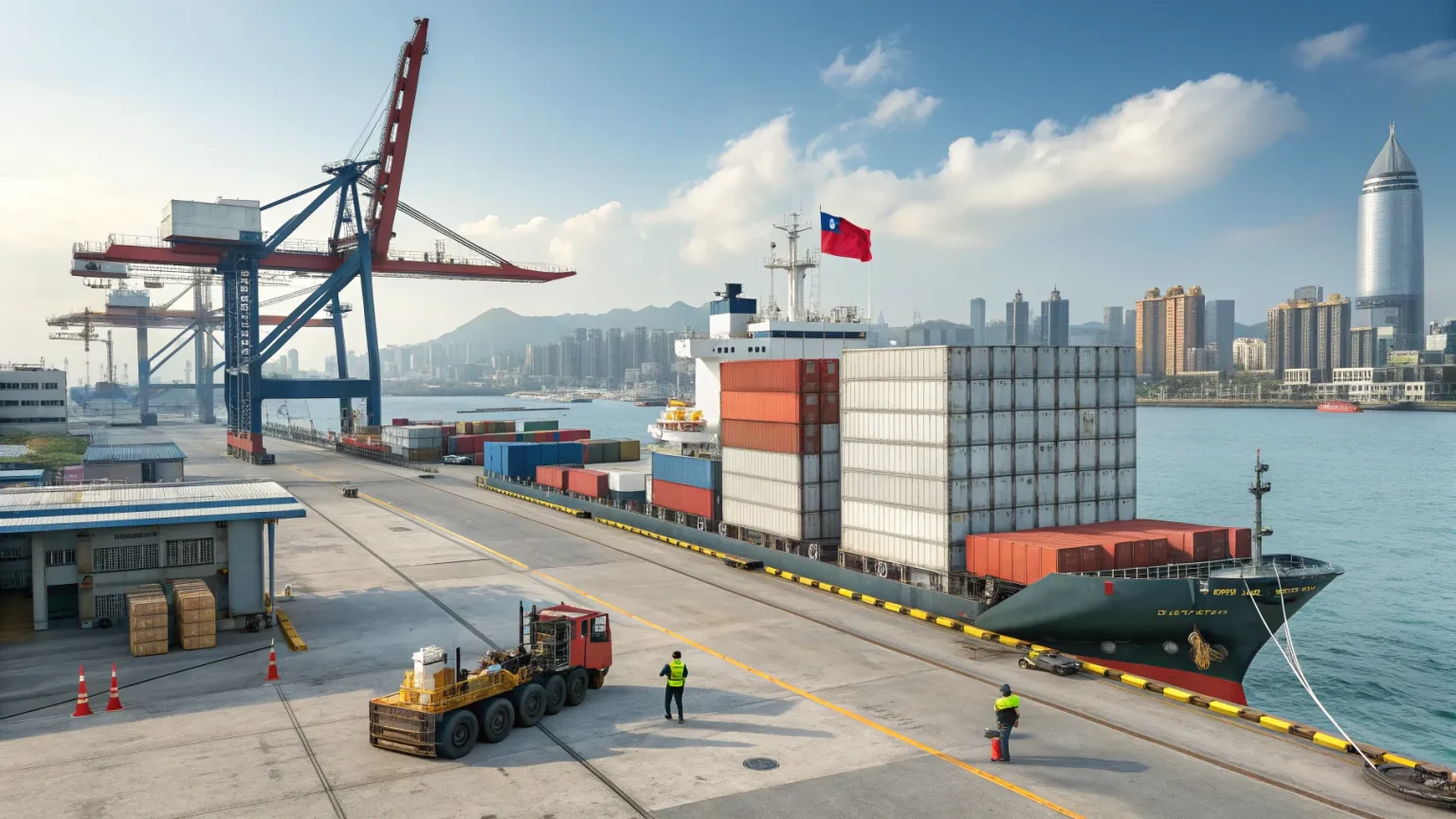
Taiwan became the world’s largest buyer of Russian naphtha in the first half of the year, importing goods worth $1.3 billion. The shipments arrived despite Taipei’s public stance against Moscow’s war in Ukraine and support for sanctions aligned with Western partners. The finding, cited in a new report, highlights a tension between energy needs and geopolitics in one of Asia’s key manufacturing hubs.
“Taiwan imported $1.3 billion worth of the petroleum product Naphtha from Russia in the first half of this year, more than anywhere else in the world, despite its opposition to Russia’s war in Ukraine and sanctions on Moscow, according to a new report.”
Why Naphtha Matters to Taiwan
Naphtha is a light petroleum product used as feedstock in petrochemical plants. In Taiwan, it is central to making ethylene and propylene, which go into plastics, packaging, electronics, textiles, and medical supplies. The island’s petrochemical clusters, anchored by CPC Corporation and Formosa Petrochemical, run large steam crackers that rely on steady naphtha supplies.
Global trade flows shifted after Russia’s full-scale invasion of Ukraine in 2022. European buyers reduced purchases of Russian refined products. Asian buyers increased intake at discounted prices. For import-dependent economies, price and reliability drew attention, especially as post-pandemic manufacturing stabilized and energy markets stayed tight.
A Sanctions Gray Zone
Taiwan has condemned Russia’s invasion and aligned with key export controls targeting high-tech goods. But energy trade sits in a nuanced area. Unlike the European Union’s bans, many Asian jurisdictions have not barred imports of Russian oil products across the board. That leaves traders, refiners, and buyers to navigate compliance with price caps, shipping insurance rules, and payment channels.
Energy analysts say naphtha is often traded through global hubs and can be blended, resold, and reclassified by intermediaries. That complicates tracking final origin. Shipments may be handled by international trading houses using Singapore or other storage points. The reported $1.3 billion figure suggests direct or closely linked origin from Russia, raising questions about Taiwan’s procurement policies and screening.
Officials Face Policy Trade-Offs
Policy makers in Taipei must balance security goals and economic stability. Petrochemicals feed key export sectors and support thousands of jobs. Price spikes or shortfalls can ripple into downstream goods from consumer packaging to circuit boards.
At the same time, importing Russian-origin supplies can draw criticism and reputational risks. Lawmakers and civil groups may push for tighter rules, better disclosure, or alternative sourcing. Industry leaders could argue that current purchases comply with Taiwan’s legal framework and global maritime rules. They may also warn that abrupt restrictions would raise costs and weaken competitiveness.
- Economic priority: keep feedstock flowing to safeguard manufacturing.
- Geopolitical priority: support sanctions and reduce exposure to Russia.
- Operational priority: ensure traceability and compliance in complex supply chains.
Market Impact and Possible Shifts
If Taiwan curbs Russian naphtha, it would likely turn to Middle East suppliers or spot cargoes from India and Southeast Asia. That could lift regional prices and tighten availability for other buyers. Substitution is possible but may take time, given contract cycles and refinery output patterns.
Longer term, Taiwan’s petrochemical sector has explored diversifying feedstocks, including liquefied petroleum gas and ethane where feasible. However, infrastructure, cracker configurations, and cost dynamics still make naphtha the default input for much of the existing capacity.
What to Watch Next
Industry participants will track any guidance from Taiwan’s economic and energy authorities on Russian-origin cargoes. Banks and insurers may review compliance standards for trade finance and coverage. Traders will watch discounts on Russian products versus alternatives, as price gaps drive decisions.
Global rules also matter. Changes to the G7 price cap system, shipping enforcement, or EU measures could alter trade patterns again. A pickup or slowdown in electronics demand would shape Taiwan’s feedstock needs, affecting import volumes and sources.
The $1.3 billion figure puts a hard number on a broader trend: economic realities can collide with political goals in energy trade. Taiwan’s next steps may signal how regional buyers balance cost, reliability, and values in a period of fragmented markets.
For now, the report highlights a clear takeaway. Taiwan’s petrochemical engine still relies on naphtha, and Russian barrels have filled that gap. The question ahead is whether policy and market forces will push a shift in sourcing, or whether compliance-focused buying will continue under tighter scrutiny.


