

As Chairman of the Napoleon Hill Institute and the former CEO of Leigh Steinberg Sports & Entertainment, I’ve spent years coaching athletes, entrepreneurs, and leaders. The single fastest way I’ve seen people grow their careers and their lives is simple: know who can help you, and who you can help. That clarity cuts through noise and confusion. It moves you from guessing to getting results.
My opinion is clear. Opportunity scales when service scales. The people who progress quickly don’t chase random contacts or spray cold messages. They build a targeted, two-way network. They meet people where they are and offer real direction to where they want to go.
“The easiest and fastest thing to do is know who who can help you and who can you help.”
My Argument: Service First, Strategy Always
People reach out because they see proof that this approach works. Athletes come to me since I stand in a position they aim to reach and I understand where they are starting. That mix of empathy and execution is the bridge. Meeting people where they are is not a slogan—it’s the strategy.
“I sit in a situation they want to be in and I understand where they’re at. So, not only can I meet them where they’re at, but I can give them instructions and directions on how to get to where they want to.”
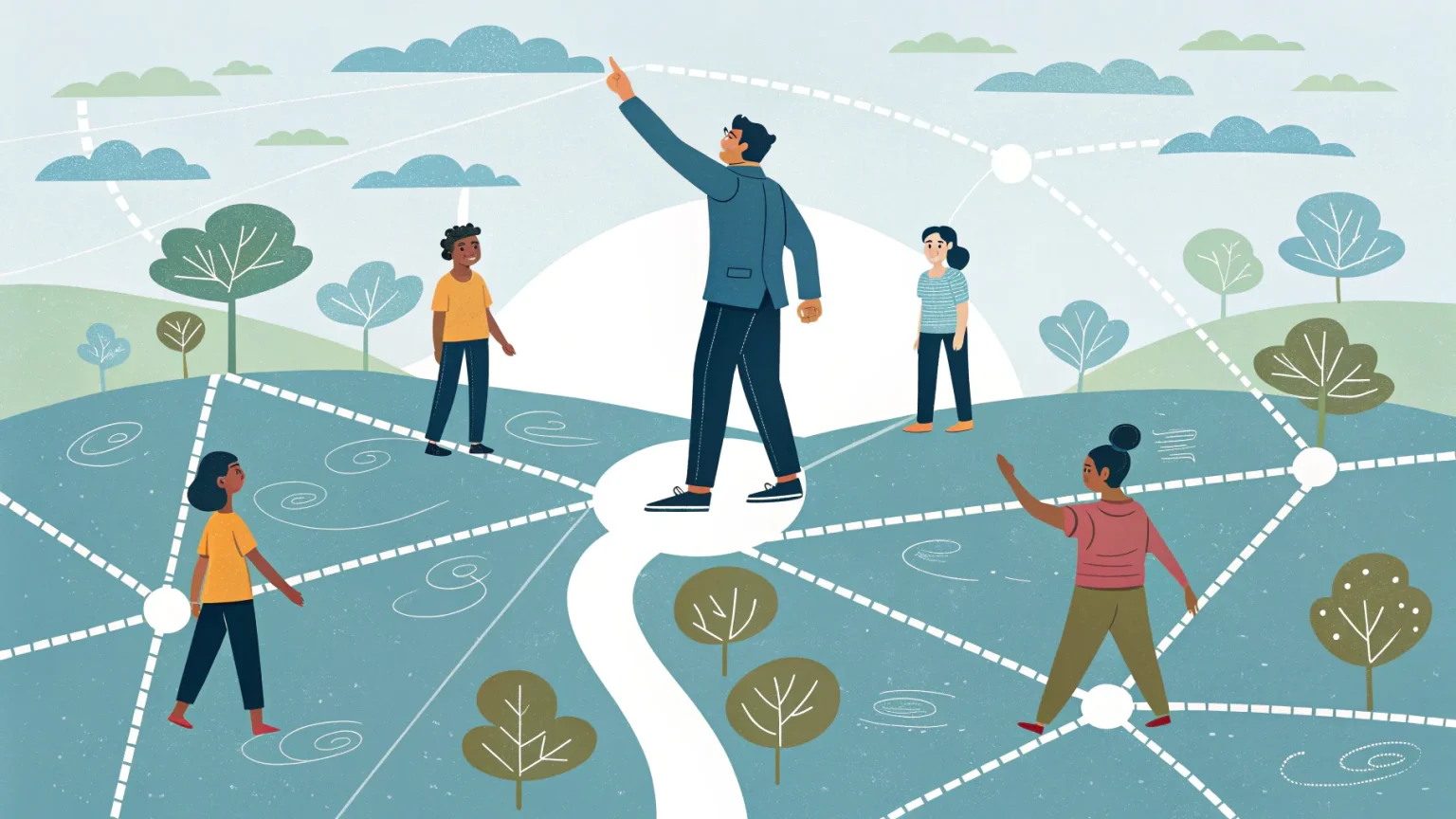
This isn’t about networking theater. It’s about alignment. When you know the exact person who can help you today, and the exact person you can help right now, you shorten the distance to your goals. You don’t need magic. You need a map and the right travel partners.

Evidence From the Field
In sports and business, the pattern is the same. Athletes who rise fast know where they need coaching, structure, and mentorship. They’re honest about their gaps, and they seek people who have stood on the stage they want to reach. On the other side, they give back by sharing their work ethic, their name, or their story to lift others.
That’s why my inbox fills with current players, retired legends, and rookies. They know I won’t waste their time with vague advice. They know they’ll get practical steps: who to call, what to say, and how to stay accountable. Clarity creates speed. Vague goals create delay.
Some argue that pure hustle or talent is enough. It isn’t. Without the right people, hustle becomes noise and talent stalls. Others say luck plays the biggest role. Luck helps, but luck meets those already moving with a plan and a circle that multiplies effort. Luck rewards direction.
How to Put This Into Practice
Here’s the simple filter that has worked for my clients and me. Use it every week. Keep it honest. Keep it specific.
- List three people who can help you right now. Be exact about what help you need.
- List three people you can help right now. Offer something clear and useful.
- Reach out with context, not a script. State your aim in one or two lines.
- Ask for or give one next step. Keep it small, specific, and doable.
- Follow up with results, not reminders. Show progress, then ask or offer again.
This rhythm builds trust. It also sorts your network. People who respond become part of your inner circle. People who don’t respond yet stay on the watch list. No drama. No chasing. Just steady progress.
Why This Matters Now
Noise is high. Attention is short. The antidote is precision. Define the few people who change your path, and the few you can truly lift. Then act. That’s how athletes transition to business. That’s how founders move from idea to income. That’s how careers compound.
Stop trying to meet everyone. Start trying to meet the right ones. And be the right one for someone else. That’s the game.
Final Thought
Success is a team sport. Map who you need, map who you can serve, and move. If you do this weekly, you’ll build a circle that improves your skills, your choices, and your outcomes. Start today: identify two names you can help and two who can help you. Send four messages. Keep score with results. Repeat.
Frequently Asked Questions
Q: How do I figure out who can help me right now?
Define one clear goal and one current roadblock. Then identify people who have solved that exact problem. Start with warm connections and recent contacts.
Q: What should I offer if I feel like I have little to give?
Offer time, insight, introductions, or honest feedback. Share a useful resource. Small, consistent help beats one big favor that never happens.
Q: How do I reach out without sounding needy or pushy?
Be specific and brief. Explain your aim in one line, then ask for a single next step. Respect their time and include an easy opt-out.
Q: How often should I follow up with people?
Follow up after you take action. Share the outcome and one possible next step. Monthly is a good pace unless the project requires more.
Q: What if someone never responds?
Don’t chase. Try a different channel once, then move on. Keep building with those who engage and revisit later with new value.


