

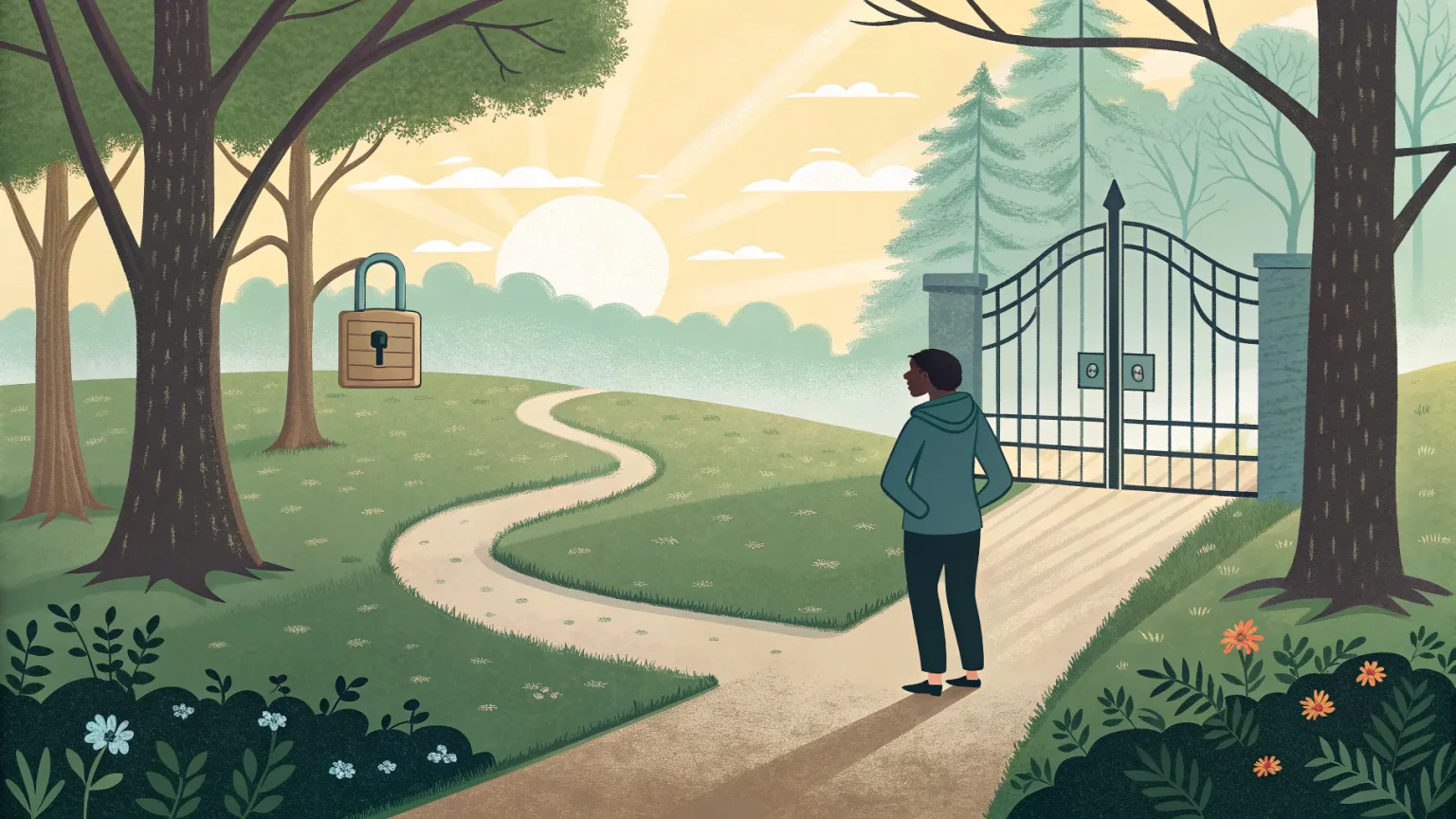
We have been sold a myth: that better logic will fix bad feelings. As someone who has coached athletes, entrepreneurs, and students across the globe, I’ve seen how that belief traps people. The argument is simple. Thinking doesn’t change your mood. Doing does. If you want relief from anxiety, anger, or worry, stop negotiating with your mind and start moving your feet.
Logic Won’t Change Your Mood
We like to tell ourselves to calm down, to let it go, or to not worry. Those words sound smart, but they rarely deliver. You can’t out-think a wave of emotion in the moment. Emotions are biochemical. They live in the body. Action is the switch that resets the system.
“Logics can never change the way you feel… Do you know what changes the way you feel? Action.”
As a coach and investor, I’ve watched people rationalize their way into paralysis. They become experts at explaining their stress while doing nothing that shifts it. When they finally take a small step, everything changes. Their nervous system gets a new signal. Energy moves. The story in their head starts to catch up with what their body is doing.
Move First, Feel Better
When mood dips, most people wait to feel motivated. That wait can last hours or weeks. The better plan is to lower the bar for action. Make the first step so small that you cannot fail. The act does not need to be heroic. It just needs to begin.
“You’re depressed, anxious, frustrated, angry, worried—get off your ass, go outside, pick up trash. Go wave to 10 people… Smile at 10 people.”
That advice is not random. It stacks three forces that work fast: motion, service, and connection. Movement shifts your physiology, service gives you purpose, and connection breaks isolation. The combination is simple and powerful.
What Works In Minutes
Here are easy ways to act your way into a better state. Start with one and keep it short.
- Go outside for five minutes and pick up litter on your block.
- Wave or smile at ten people. Count them.
- Do a two-minute reset: 20 deep breaths, 20 bodyweight squats, 20 seconds of stretching.
- Send three gratitude texts. Keep each to one sentence.
- Drink a glass of water and take a short walk without your phone.
These steps aren’t about productivity. They’re about interrupting a spiral. Once you change state, better choices follow.
But What About Serious Problems?
There is a fair pushback: some issues need planning and deep work. I agree. Long-term change often needs logic. Yet logic is a better architect than a first responder. Use action to stabilize the moment. Then use reason to build the plan. When feelings run hot, lead with movement. When the heat drops, bring in thinking and strategy.
Another concern is that action sounds like avoidance. It isn’t. Action is engagement with reality. You are training your body to be an ally, not a saboteur. Once grounded, you can face the hard call, the apology, the spreadsheet, or the therapy session with a clearer mind.
Why This Matters
As Chairman of the Napoleon Hill Institute and a lifelong coach, my work centers on behavior, not slogans. People don’t fail for lack of knowledge; they stall for lack of motion. Feelings follow actions more than actions follow feelings. If you move, you create proof that you are not stuck. That proof is fuel.
I’ve seen champions save seasons with this mindset. I’ve seen anxious founders regain focus before big decisions. I’ve seen students recover from burnout by taking tiny steps every day. The pattern holds across roles and ages.
Do This Now
Pick one action you can do in the next two minutes. Do it without debate. After you finish, notice the shift. Then choose the next small step. That’s the cycle. Act, feel, think, plan. In that order.
Stop trying to think your way out of pain. Move your way out. Your body is waiting for the signal. Give it one.
Frequently Asked Questions
Q: Why doesn’t telling myself to calm down actually help?
Words don’t flip a physical state. Emotions live in the body, so a physical cue—movement, breath, connection—works faster than inner debate.
Q: What is the smallest step I can take when I feel stuck?
Stand up, drink water, and walk outside for two minutes. If that feels hard, start with ten deep breaths and one text of appreciation.
Q: How long should I act before I start planning?
Use action to lower the emotional temperature first—usually a few minutes. Once you feel steadier, switch to planning and problem-solving.
Q: Can this approach help with work stress before a big decision?
Yes. Short, specific actions reset your state. After that reset, your choices are clearer and less reactive.
Q: What if I try an action and nothing changes?
Reduce the size of the step and repeat. Add service or connection—wave to people, pick up trash, or send gratitude messages—to create a stronger shift.


