

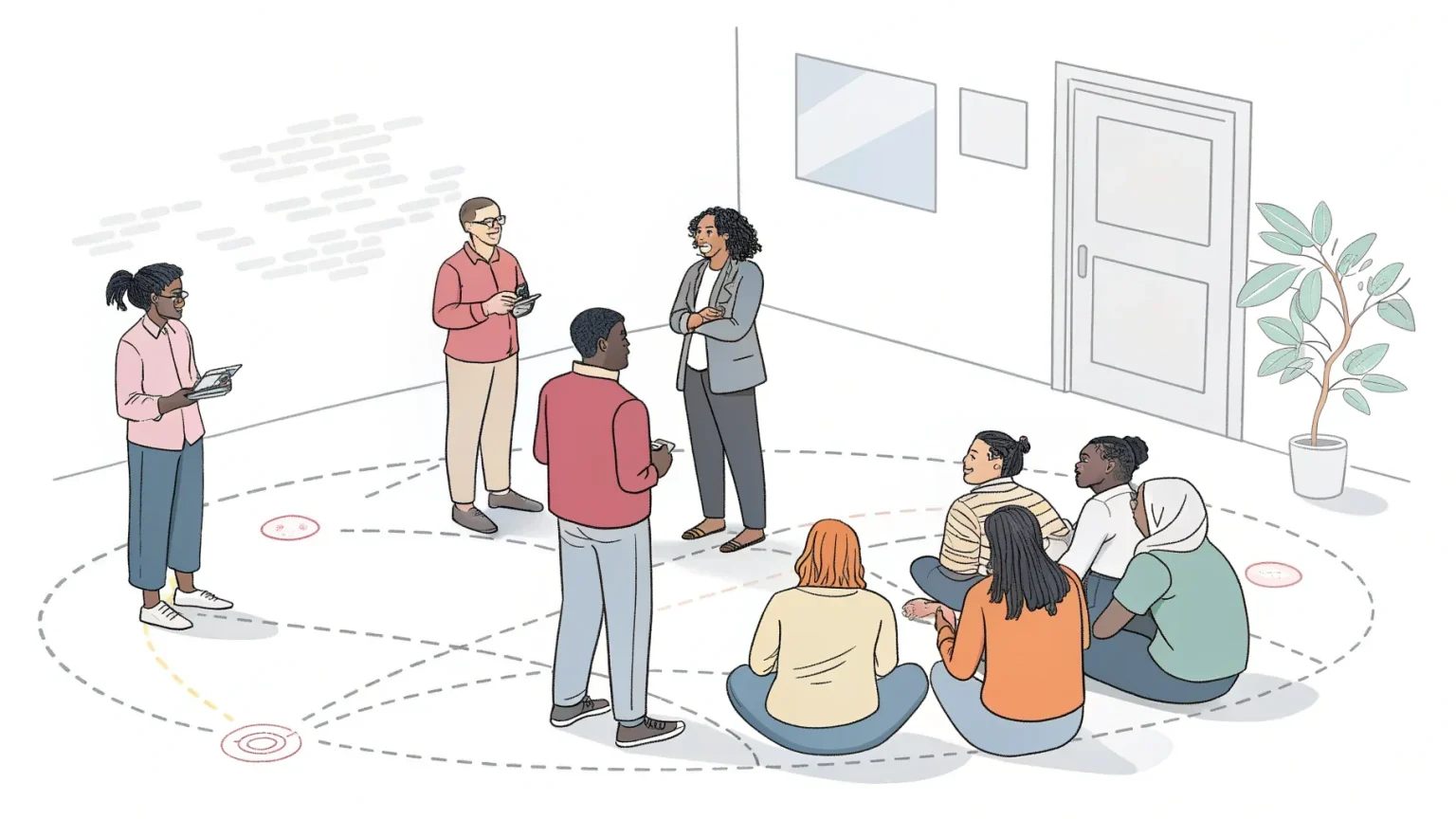
Epic events don’t come from fancy chandeliers or gourmet plates. They come from the people in the room. As Justin Donald, I’ve built my career on low-risk, high-reward thinking, and the same lens applies here. My stance is simple: curation beats everything. If you get the right people together, meaningful connection, collaboration, and long-term growth follow.
Most hosts obsess over logistics. That’s a mistake. The real work is choosing who gets a seat. When the room is aligned, deals and friendships form with little effort. When it’s random, you’re left with small talk and selfies.
The Case for Curation
Let’s cut to the core. It’s not the venue, and it’s not the menu. You can strip it down to a parking lot and still walk away with more value than a luxury ballroom.
“It’s not the venue, it’s not the food.”
“I could have a great event at a parking lot as long as the right people are there.”
Picture this: you hear Elon Musk is stopping by a casual meet-up in a parking lot. You’d show up. Why? Because people are the draw. The right guests spark ideas, open doors, and create momentum that no décor can match.
Yes, a well-known guest helps. A respected founder, investor, or creator can anchor the room. But you don’t need a celebrity to win. You need a clear filter.
How I Build Connection-Driven Events
I group people with shared goals and similar profiles. That’s where real ties form. I’ve hosted small dinners for entrepreneurs hitting six figures in online income. The energy is focused. The conversations move fast. People know why they’re there.
Another example: invite investors who are actively deploying capital. Put them with founders looking for smart money. Now the room has a purpose. Deals happen without a pitch deck. That’s curation at work.
“When you make it easy for people to say, ‘This is a group I want to be part of,’ the event gets much easier to pull off.”
Here’s the system I use to keep events clean and high-impact. These moves seem simple. They change everything.
- Define who it’s for in one sentence.
- Qualify attendees with a clear filter or threshold.
- Add an anchor guest if you can, even a local leader.
- State the purpose: learn, invest, partner, or hire.
- Make it easy to join: short form, fast yes/no.
- Protect the signal: cap headcount and cut fluff.
Each step tightens the room. The result is higher trust and faster action.
Anticipating Pushback
Some will say the venue and food matter. They do—just not first. Great staging can elevate an already curated room. But it can’t save a weak one. If you must choose, choose signal over spectacle.
Others worry this feels exclusive. It is. That’s the point. Excellence requires standards. You can run multiple events for different groups. Keep each container clear. People want to know they’re in the right place.
Still unsure? Try a test. Host a dinner for ten people who share one tight trait. Keep it simple. No agenda slides. Start with quick intros and one ask per person. Then step back. Watch what happens.
What Works Right Now
I see the same pattern in rooms that win. The host sets a clear filter. The guest list is aligned. The purpose is obvious. The conversations move from ideas to action.
Events like these compound. A single dinner becomes a trusted circle. A trusted circle becomes a deal flow engine. Curate well, and your calendar turns into an asset.
So here’s my challenge: plan your next event with curation as the headline. Write the filter. Protect the room. Invite people who will add value, not just take it. Keep it lean. Keep it real. The right people will thank you with results.
Stop chasing polish. Start curating people. That’s how you build events that change lives—and balance sheets.
Frequently Asked Questions
Q: How do I create a strong attendee filter?
Make it short and specific. For example: “Founders with six-figure online revenue” or “Investors placing capital this quarter.” If someone can self-qualify in seconds, you did it right.
Q: What if I can’t land a big-name guest?
Use a respected local operator or niche leader. The key is credibility. One thoughtful practitioner beats a famous person who won’t engage.
Q: How many people should I invite?
Start small. Eight to twelve is ideal for a dinner. Keep it intimate so everyone speaks and real ties form.
Q: Do I need a formal agenda?
Keep it light. Short intros, one ask per person, and open conversation. Structure should support connection, not box it in.
Q: How do I keep takers out of the room?
Use referrals, clear criteria, and a quick screen. Ask for examples of how they’ve helped others. Takers dodge that question. Givers have receipts.


