

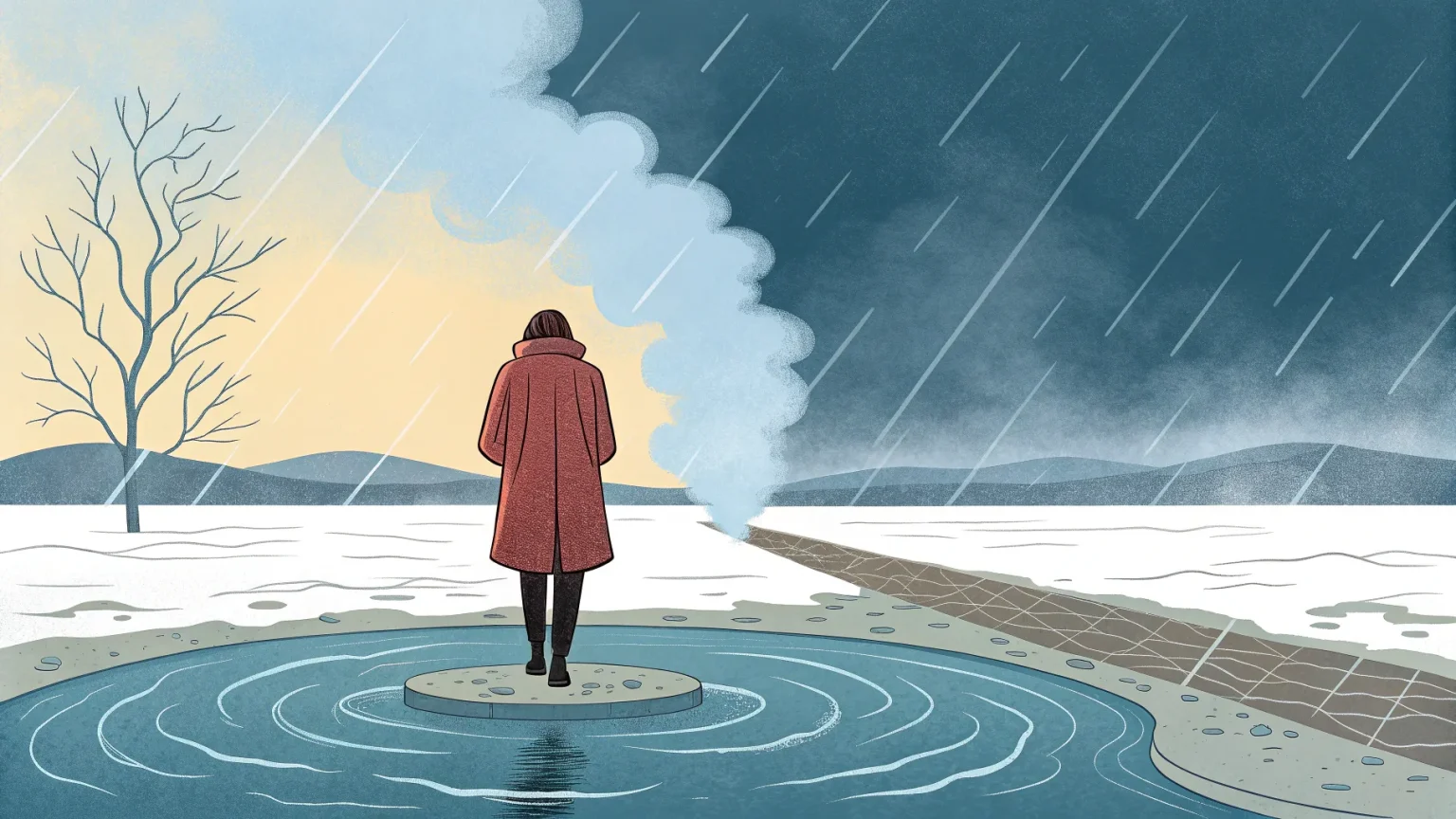
As I sit in the frigid waters of my cold plunge, I find myself contemplating the deep divisions in our country. The vitriol spewing from both sides breaks my heart. It raises an important question: What’s more powerful – standing FOR something or standing AGAINST something?
This distinction matters more than we might think. When we examine the motivations behind our positions, we often discover revealing truths about ourselves and our impact on the world around us.
The Power Behind Opposition
When we stand against something, our actions are typically driven by negative emotions. Fear propels us to oppose threats to our security. Hatred pushes us to fight perceived enemies. Rage fuels our resistance to injustice.
These negative motivations create immediate, visible energy. They can mobilize people quickly and generate passionate responses. Opposition can feel powerful in the moment – it’s loud, it’s visible, and it gets attention.
Consider what happens in our political discourse. The most viral content, the most engaging media, often centers on what people are fighting against:
- Opposition to specific policies or politicians
- Resistance to cultural or social changes
- Fighting against perceived threats to values or way of life
This opposition-based approach creates immediate energy but often leads to destruction rather than creation. It tears down but struggles to build up.
The Enduring Strength of Affirmation
Standing for something operates from a different source entirely. When we advocate for positive change, we’re typically motivated by forces greater than ourselves:
- Love for others and our communities
- Hope for a better future
- Belief in human potential
- Commitment to shared values
These positive motivations may seem quieter at first. They don’t always generate the same immediate passion or attention. But their power lies in their endurance and their ability to create rather than destroy.
Even artificial intelligence seems to recognize this pattern. When I asked ChatGPT about this dynamic (not as the final authority, but as an interesting data point), it confirmed my observation: negativity appears more powerful initially and can be quite disruptive, while positivity tends to be quieter but more enduring and ultimately more powerful.
The question really is for each of us: are we truly standing for something, or are we standing against something and having it masked as if we’re standing for something?
Examining Our True Motivations
This distinction requires honest self-reflection. Many of us believe we’re advocating for positive change when we’re actually primarily motivated by opposition. The key lies in examining what truly drives our actions.
When I look at effective leaders throughout history, the ones who created lasting change weren’t just fighting against injustice – they were fighting for a vision of a better world. Martin Luther King Jr. didn’t just oppose segregation; he advocated for a dream of equality and brotherhood. Gandhi didn’t just resist British rule; he stood for Indian self-determination and non-violent resistance.
The most powerful movements in history combine both elements – they acknowledge what they oppose while focusing their energy on what they support. But the positive vision must lead, or the movement eventually collapses under the weight of its own negativity.
As I emerge from my cold plunge, I’m reminded that clarity often comes from discomfort. The chill forces me to focus on what matters. Similarly, our divided times call us to examine what truly motivates our positions and actions.
This week, I challenge you to examine your own motivations. Are you primarily standing against something, or are you standing for something greater than yourself? The answer reveals not just the source of your energy but also its potential longevity and impact.
In a world full of opposition, standing for something positive isn’t just more enduring – it’s the path to creating the change we wish to see rather than just fighting what we don’t want. I hope you find yourself standing for something this week – and that it’s good.


