

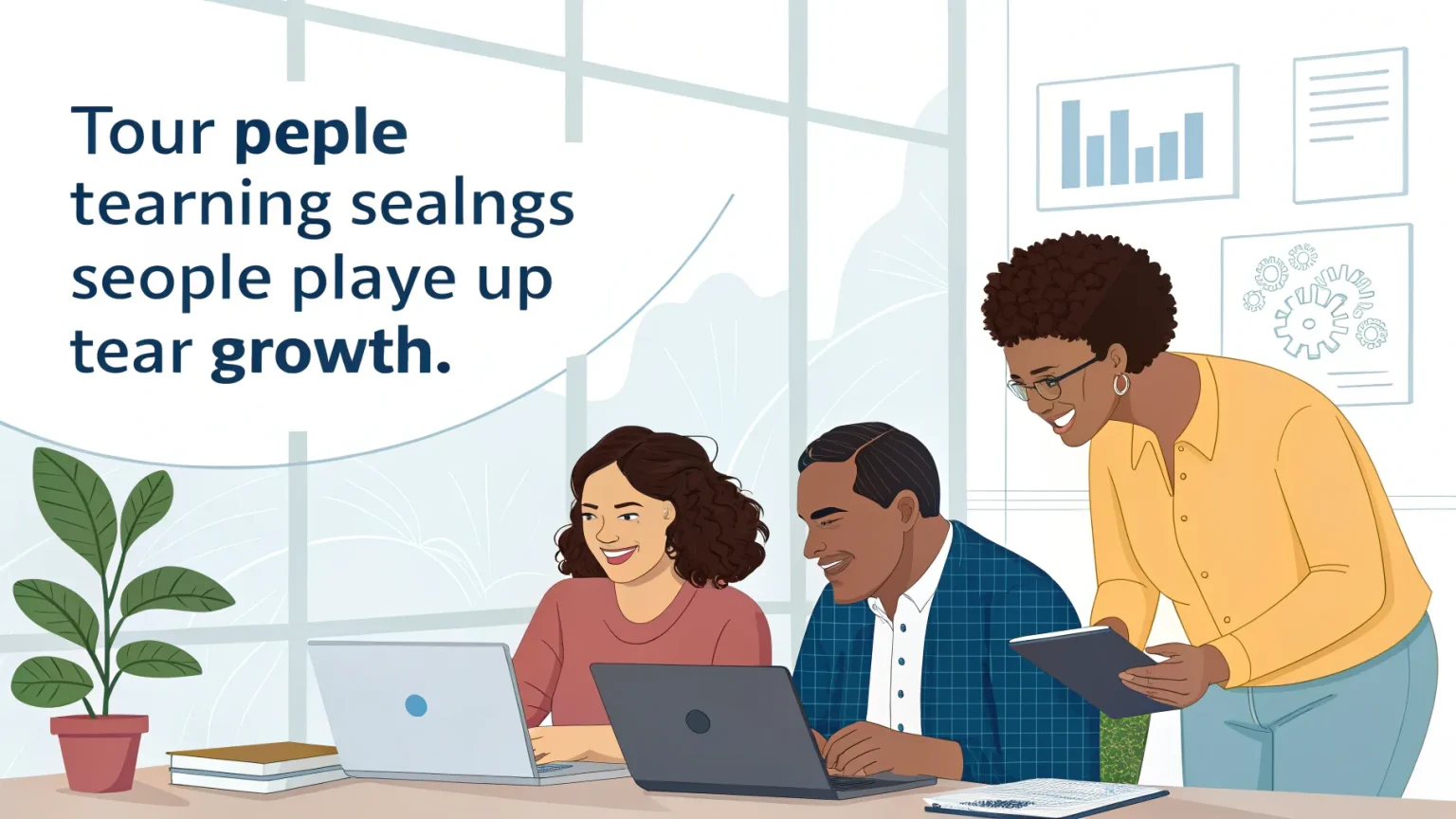
Growing a company doesn’t start with software or a new plan. It starts with people and knowledge. My stance is simple: if you scale people the right way, the business follows.
As someone who has built teams across sports, media, and education, I’ve learned that process beats personality. Culture beats chaos. The model I use is simple, repeatable, and human. It builds leaders who can think, decide, and create without waiting for orders.
The Model: Shadow, Work, Supervise, Drop Off
Here’s my core belief: scale is a teaching system, not a hiring spree. It’s a method for transferring values and skills without losing speed. The sequence is clean and disciplined.
“I take someone and let them shadow me. Just watch me. Then I let them work with me. Then I supervise them. Then I drop off and I bring someone new in to shadow them.”
This is not theory. It’s the engine. The first person shadows. Then they work beside me. Then I supervise. Then I step away, and they repeat the process with someone new. That cycle builds scale without breaking culture.
Consistency is the multiplier. Everyone learns the same values and the same practices. That means faster decisions, fewer bottlenecks, and better outcomes. People don’t just follow a script. They build on it.

Why This Works
Companies fail to scale when the founder hoards knowledge or when managers chase speed and lose standards. This method solves both problems. Knowledge passes forward. Standards hold steady.
“You get thousands and thousands of employees all aligned with the same values and the same practices. They’re empowered. They make their own decisions.”
That line matters. Alignment is not control. It’s clarity. People act fast when they know the mission and the method. They don’t wait for permission. They use judgment.
- Shadowing transfers context, not just tasks.
- Working together builds trust and timing.
- Supervision protects quality without choking initiative.
- Drop off proves ownership and creates leaders.
This is how curiosity turns into innovation. Give people a structure. Then let them add their own appreciation, style, and ideas to it. The result is new value, not chaos.
What People Get Wrong
Some say this takes too much time. That’s short-term thinking. Moving fast without teaching slows you later. You pay the price in rework, turnover, and bad decisions.
Others argue you need star hires who “just know.” That’s wishful thinking. Stars still need alignment. Your values are the system. Without that system, great talent pulls in different directions.
Another objection: this model sounds repetitive. Good. Repetition is how habits stick. You don’t scale by novelty. You scale by consistency and improvement.
What You Should Expect
Expect leaders who can teach, not just perform. The real test of a leader is whether someone else can succeed after them. This method forces that standard.
Expect faster decisions at the edges. People trained in the same values know how to act when things break. They don’t need a meeting for every choice.
Expect compounding results. Every new hire learns from someone who just learned. That energy is fresh, clear, and contagious. It makes the whole team sharper.
How to Start This Week
Pick one role. Choose one person to shadow you for five working days. Hand off one decision per day. Week two, they work beside you. Week three, you supervise. Week four, step back and have them train the next person.
Write down the values and the practices you want repeated. Keep it short. Teach the why, not just the how. Review results every Friday and adjust the process, not the standard.
Scale is a people strategy. Build teachers. Build judgment. Build ownership. Do that, and growth takes care of itself.
That’s the point. Teach, then trust. Lead, then let go. If you want a company that lasts, you need a method that spreads.
Frequently Asked Questions
Q: How long should each stage of the model last?
Aim for one to two weeks per stage for most roles. Complex roles may need more time, but avoid stretching it so much that momentum fades.
Q: What if the person isn’t ready when it’s time to “drop off”?
Do a short reset. Return to side-by-side work for a few days, clarify the standard, and try again. Don’t abandon the model—tighten it.
Q: How do I prevent values from getting watered down?
Write the values, teach real examples, and review decisions weekly. Reward actions that match the standard, not just outcomes.
Q: Can this work in a remote or hybrid team?
Yes. Use screen-sharing for shadowing, daily stand-ups for alignment, and clear checklists. The sequence is the same; the tools are digital.
Q: What metrics show this approach is working?
Look for faster decisions, fewer escalations, shorter ramp times, and better retention. Track how many new leaders can teach the next person.


