

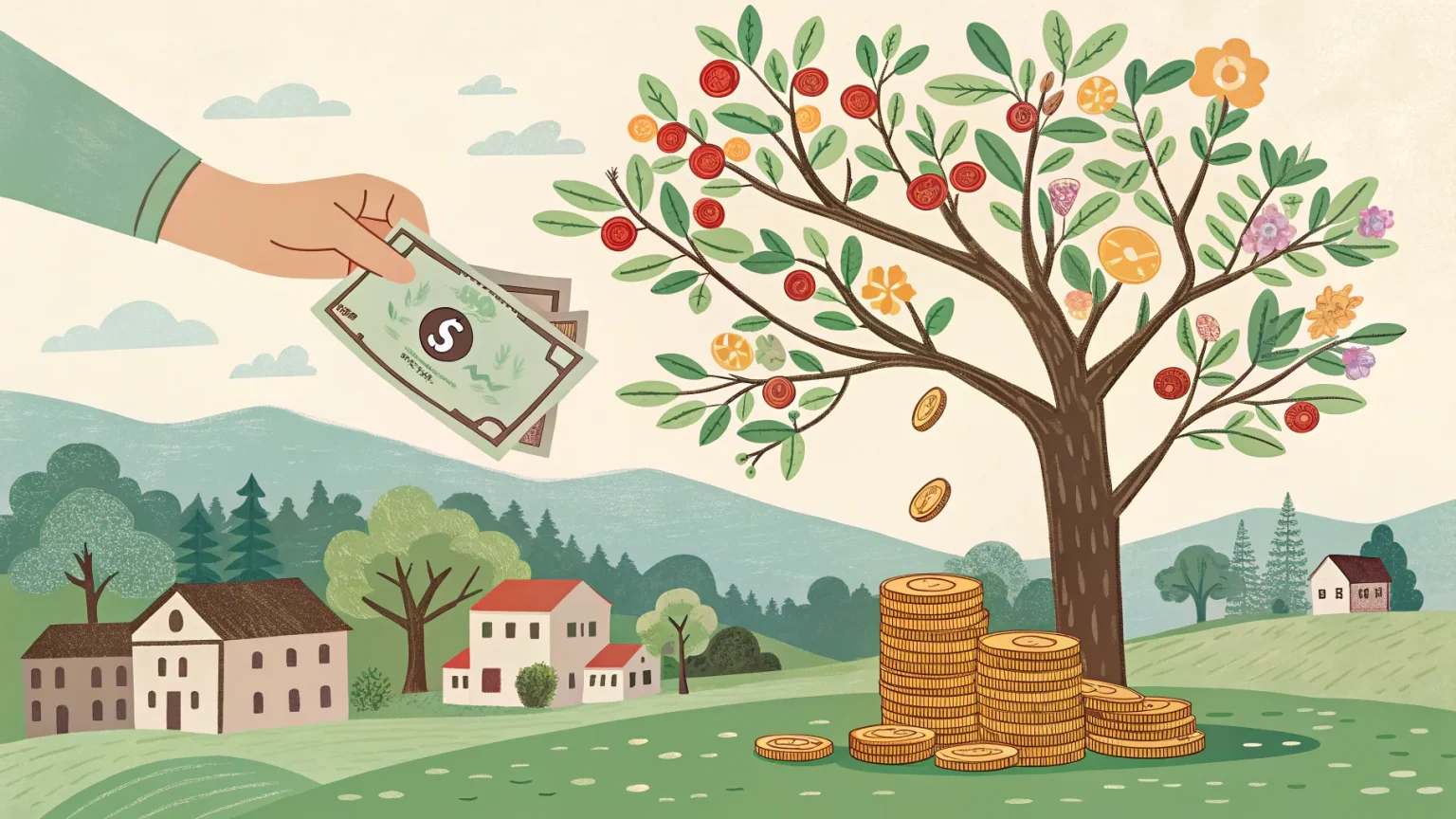
Money gets a bad rap. People say it causes problems, steals peace, and blinds purpose. My view is simple: money is a tool that amplifies who we are. Used with intention, it can help us do more good, for more people, in less time.
Here is the core idea I teach and live: make more, give more, and give for the right reasons. That is not greed. That is responsibility. I’ve seen it in business, sports, and philanthropy over decades. When money meets meaning, lives change.
“The more money you have, the more money you can give. The more money you give, the more good you can do if you give it for the right reasons to the right people.”
Why Money Matters For Impact
Good intentions alone do not scale. Money does. It funds programs, creates jobs, and supports families. It buys time by freeing people from survival mode. It lowers friction for real solutions.
Money will not make you happy, but it gives you choices. It lets you “shop” for what aligns with your values. That choice is powerful. It means you can fund what matters, not just what is urgent.
“Money will not buy you happiness, but it will allow you to shop.”
Happiness comes from meaning, growth, and service. So the key question is simple: what are you shopping for?

Shop For The Right Things
When I say “shop,” I’m talking about where you put your resources—money, time, and attention. Spend them on things that increase your capacity to help.
- Health: energy is the first asset.
- Education: learn and teach so others can rise.
- Relationships: trust speeds impact.
- Experiences: memories shape meaning and gratitude.
- Service: give to people and causes that align with your values.
Great returns show up when spending aligns with purpose. I watch leaders transform when they direct resources to the right people for the right reasons. The outcome is not luck. It is intention.
Right Reasons, Right People
Giving can miss the mark if it feeds ego or control. Give to empower, not to own the outcome. Look for people and groups that are accountable, transparent, and values-aligned. Check how dollars turn into results, not just press releases.
Here’s a simple rule I use: give where your money creates more givers. That’s how change compounds. It’s not charity as a one-time act; it’s seeding a cycle of contribution.
Answering The Skeptics
Some say money is the root of evil. I disagree. Money reveals the heart that spends it. If someone is selfish, money multiplies that. If someone is generous, money multiplies that too.
Others argue that you don’t need money to help. True, kindness is free. But scale is not. Programs, research, training, and recovery all need funding. Money plus meaning is better than either alone.
Practical Steps That Work
If you want more impact, get disciplined and consistent. Small, steady actions beat grand promises that fade.
- Set a giving percentage and automate it.
- Pick causes that match your story and values.
- Track outcomes, not just donations.
- Give time and relationships along with money.
- Review quarterly and adjust with honesty.
This is not theory from a whiteboard. It’s what I teach leaders, athletes, and entrepreneurs. It’s how I live. The results are clear: more clarity, more capacity, more impact.
The Point
Money is a magnifier. It won’t fill an empty life, but it can fill a school, a pantry, or a clinic. It can fund the future for people you may never meet. That is worth pursuing.
Make no mistake, the goal is not to love money. The goal is to love people so much that you get great at gathering and directing resources to serve them. That is real success.
Here’s the call to action: earn with purpose, spend with intention, and give with accountability. Choose what you shop for. Choose who benefits. Choose the reasons. Then watch your impact grow.
Frequently Asked Questions
Q: How do I decide what causes to support?
Start with your values and story. Choose issues that matter to you, then check for clear goals, transparency, and measurable results before you give.
Q: What if I don’t have much money yet?
Give what you can and be consistent. Even small amounts, paired with time and introductions, create momentum and open doors for others.
Q: How can I tell if my giving works?
Ask for outcomes, not only activities. Look for data on people served, skills gained, jobs created, or costs reduced over time.
Q: Is it better to give anonymously?
Both can be helpful. Quiet giving keeps focus on the cause. Public giving can inspire others. Choose the approach that best advances the mission.
Q: What if I worry that money will change me?
Set rules now: a giving percentage, accountability partners, and regular reviews. Money follows values when values lead decisions.


