

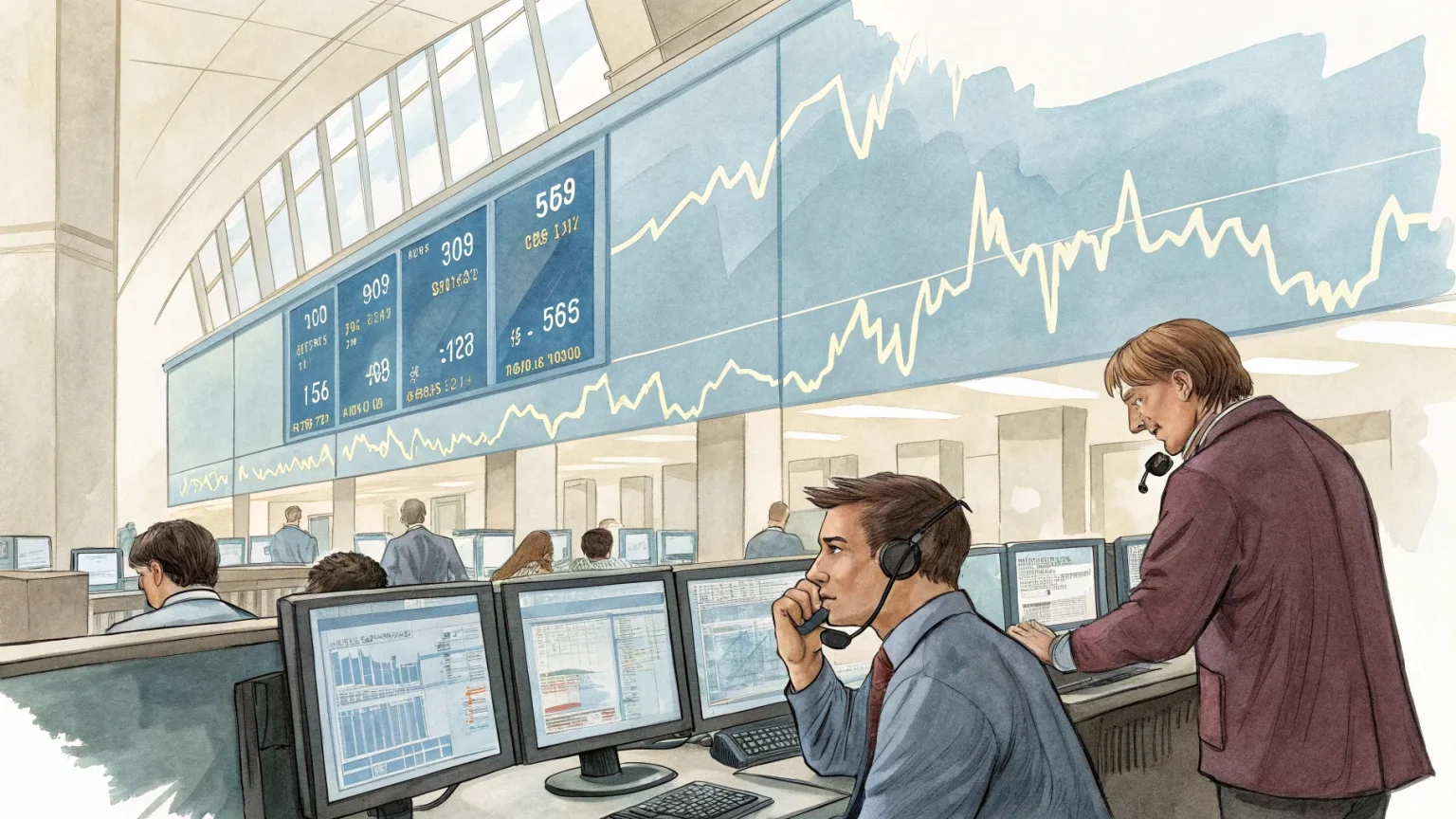
Stocks saw sharp midday swings as traders reacted to fresh headlines, earnings surprises, and shifting guidance. Large single-name moves stood out, signaling heightened sensitivity to company news and sector trends. The action highlighted how quickly sentiment can shift when new information hits the tape and liquidity thins in the middle of the session.
Across the market, price gaps and high-volume spikes often clustered around corporate updates and analyst calls. While some stocks rallied on better-than-expected results, others fell on weak outlooks or regulatory concerns. The session served as a reminder that midday can carry price risk, even outside the opening and closing rush.
Background: Why Midday Volatility Matters
Intraday volatility has grown more common during earnings seasons as companies release results, update forecasts, and field investor questions. Midday periods can see fewer resting orders than the open or close, magnifying the impact of surprise news. Options expirations, index rebalances, and cross-asset moves in energy or currency markets can amplify swings.
Historically, midday surges have followed new product announcements, unexpected guidance cuts, merger talks, or regulatory actions. In some quarters, a single guidance change has erased or added billions in market value by noon. Sector exchange-traded funds can move in step as traders reposition around the news.
“These are some of the stocks posting the largest moves in midday trading.”
What Drives Midday Surges
Several recurring catalysts tend to push individual names far from the broader market’s path. The most common are earnings surprises and guidance shifts. When reported revenue, margins, or user growth diverge from expectations, price discovery happens fast. Analyst upgrades or downgrades can add fuel if they land alongside new data.
- Earnings and guidance: Beats or misses, especially on forward outlook.
- Analyst actions: Target changes and rating shifts that reframe valuation.
- Regulatory and legal: Approvals, probes, or rulings that affect revenue lines.
- M&A chatter: Confirmed deals or credible reports of talks.
- Commodity and currency moves: Input costs that alter margin math.
- Unusual options activity: Hedging flows that spill into the underlying.
Halt protocols can also appear during fast moves. When trading resumes, reopening auctions sometimes set new reference points, producing secondary waves of buying or selling. In thin names, a few large orders can drive outsize percentage changes before liquidity returns.
How Professionals Read These Moves
Portfolio managers often start with volume and price relative to the day’s average. A move that runs well above typical volume suggests informed trading rather than noise. Many watch the VWAP level to judge if momentum is strengthening or fading. If price holds above VWAP on rising volume, buyers are in control; the reverse signals pressure.
Event-driven funds may compare actual results with consensus and the “whisper” expectations built into options pricing. If implied volatility was high into an event and the stock still surges, positioning was likely offside. Short interest can magnify upside as traders cover, turning a beat into a squeeze.
Investor Impact and Risk Management
For long-only investors, midday spikes can tempt quick decisions. Risk teams stress position sizing, stop-loss plans, and pre-defined entry points. Spreads can widen during the midday lull, so market orders may see slippage. Diversified exposure through sector funds can reduce single-name shocks but will not eliminate event risk.
Retail traders often react to headlines without full context. A careful read of footnotes, cash flow, and guidance language can change the story. Price often overshoots on first pass and retraces as details settle. Patience and discipline help avoid chasing peaks or panic-selling troughs.
What To Watch Next
As earnings season progresses, more companies will update outlooks. That can reset expectations across peers within minutes. Watch for patterns: if multiple firms in a sector echo the same cost or demand trend, the move can broaden. Changes to dividend plans or buybacks can also affect midday flows, especially in income-focused names.
Investors should monitor liquidity metrics, options positioning, and calendar catalysts. Company-specific events, policy comments, and sector data drops can all hit midday. Clear risk plans and a focus on verified details can help separate signal from noise when prices swing fast.
The latest session showed how quickly the market can reprice on new facts. For now, vigilance around earnings, guidance, and event calendars remains the practical approach. The next wave of updates will test whether today’s sharp moves were isolated reactions or the start of broader shifts.


