

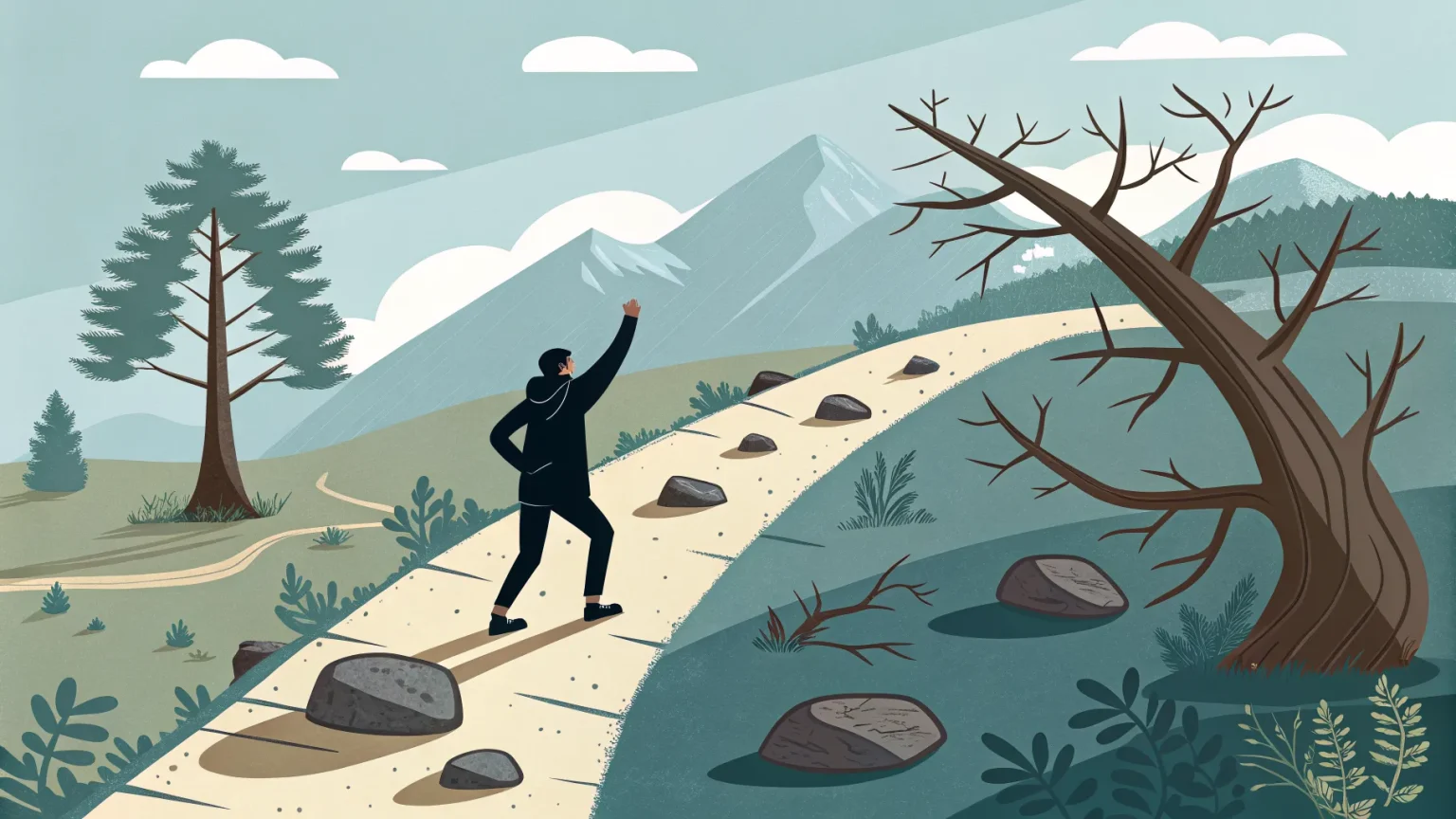
I am David Meltzer, and my life has been built on love and discipline. I love my wife. I love my children. I also love business. But none of that love is simple. It took time to learn what real love demands in family and in work.
Here is my stance: success belongs to those who learn to love the parts they don’t like. Talent and passion matter, but they fade fast when resistance shows up. What lasts is trained love for the hard parts.
The Rule That Changed My Work and My Home
I love my wife. I love my children a lot. A lot more than football, but I had to learn to love what I don’t like or love about my kids, or about my wife. That’s just what love is.
And so, in the activity that you get paid for, that’s work on learning to love what you don’t like or love about what you’re doing to get paid.
That truth saved my marriage, deepened my parenting, and sustained my career. I served as CEO of Leigh Steinberg Sports & Entertainment, the firm that inspired Jerry Maguire. I now chair the Napoleon Hill Institute. Those roles required more than excitement. They required consistency when the job felt boring, stressful, or unfair.
People say, “Do what you love.” I say, learn to love what you must do. Not every task will light you up. Many will drain you at first. The key is choosing a purpose, then training your feelings to support your goals.
What Learning to Love the Hard Parts Looks Like
Early in my career, I wanted only the “big” moments: the deal, the headline, the win. But the real game lived in quiet work. Follow-up emails. Schedule changes. Rebuilding trust after a miss. In family life, the same pattern showed up. Joy is easy when everyone is happy. Love shows up at 2 a.m. with a crying child, or during a hard season with your partner.
Here’s the point: discipline creates new emotions. When you show up for the unglamorous parts, pride replaces dread. Your confidence grows. Respect grows. Results grow.
- Decide what matters most. Write it down daily.
- Schedule the tasks you avoid. Put them first.
- Track small wins. Reward the behavior, not just the outcome.
- Reframe the pain. Call it “training,” not “suffering.”
- Ask for help early. Accountability speeds up growth.
These steps turn pressure into progress. They also keep emotions in check when life tests you.
Answering the Passion Objection
Some will argue that if you force yourself to do what you dislike, you will burn out. I get it. Burnout comes from doing meaningless work or chasing someone else’s dream. That is not what I teach.
Here’s the difference: align your values, then train your love. If the mission is yours, then the chores are part of the promise you made to yourself. Passion is the spark. Discipline is the engine. Love is the fuel that keeps both running.
Proof From Real Life
Winning teams know this. The ring ceremony is a few minutes. The season is months of drills, setbacks, film study, and early mornings. The families who last know this too. Date nights matter. So do hard talks, shared budgets, and forgiveness.
My best clients turned corners when they stopped outsourcing the hard stuff. They learned contracts. They showed up for reps. They repaired broken relationships. The result was not just money. It was peace of mind.
Choose Your Hard—Then Learn to Love It
You can escape discomfort now and pay later. Or you can face it now and grow stronger. Love is a choice repeated daily. Make that choice at home. Make it at work. If you do, you will outlast the hype and out-earn the noise.
Start today. Pick one task you avoid. Schedule it first. Finish it well. Then repeat tomorrow. That is how love looks in action. That is how winning feels over time.
Frequently Asked Questions
Q: How do I know if I should keep doing hard tasks or change paths?
Check alignment first. If the work supports your values and long-term goals, train your love for it. If it fights your values, adjust the path, not the effort.
Q: What if I try and still hate the task?
Break it down. Shorten the time block. Pair it with a reward. If it stays toxic, delegate it after you learn enough to manage the outcome.
Q: How does this idea apply to relationships?
Love the person, not every habit. Set shared standards, talk often, and show up for the unglamorous moments. That is where trust grows.
Q: Won’t forcing discipline kill creativity?
Structure protects creativity. When basics are handled, your mind has space to create. Routine is the runway for fresh ideas.
Q: What is one action I can take this week?
Choose your top avoided task. Schedule it first for five straight days. Track how your mood and results change. Momentum will follow.


