

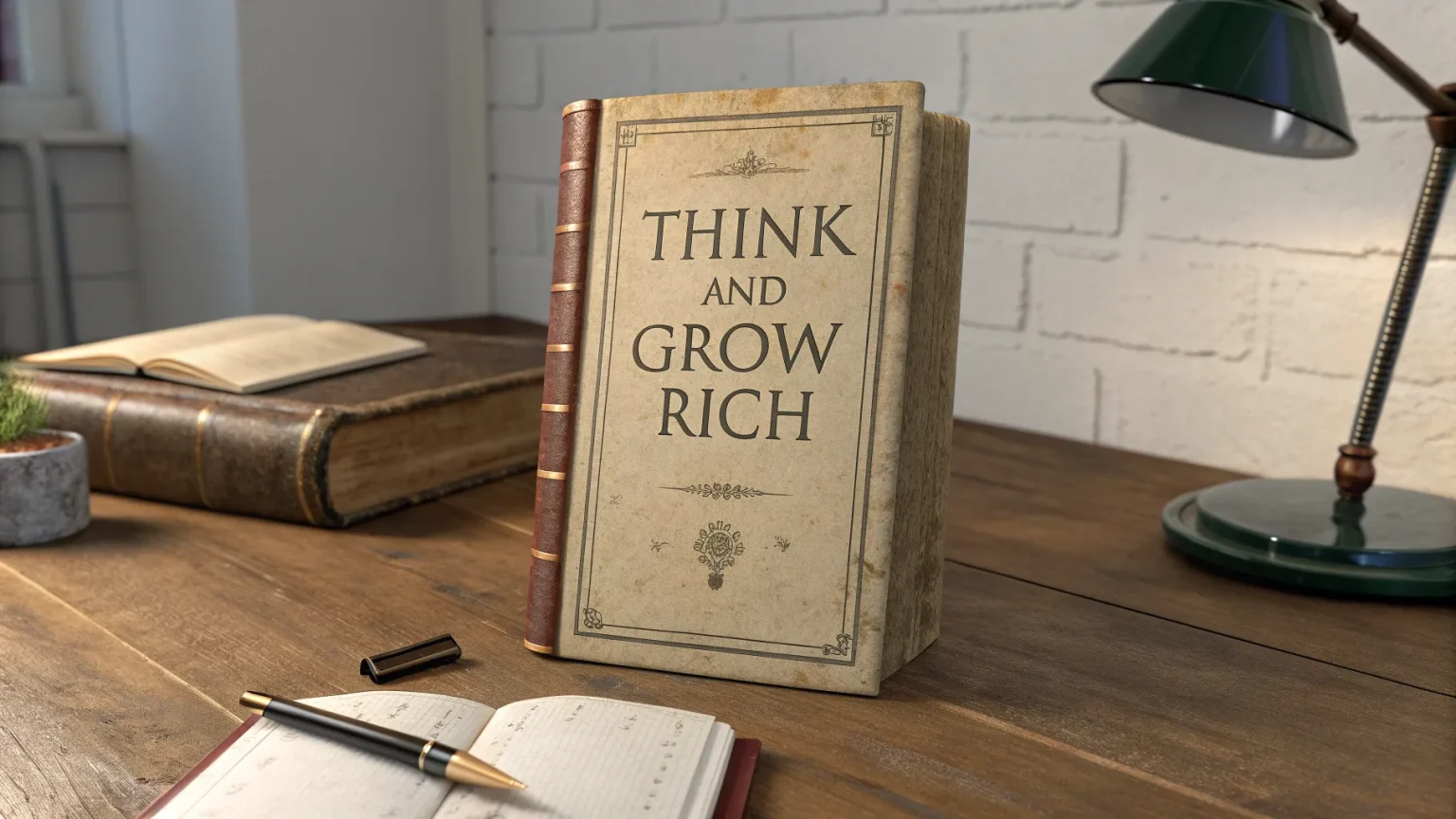
Some books don’t just sell; they stick to our lives. Think and Grow Rich is one of them. I’ve seen it change careers, marriages, and mindsets. My view is simple: legacy brands don’t need more hype—they need careful stewardship. The work is to serve the community that already believes, and to build systems that will outlast any single person, including me.
Why Legacy Matters Now
People ask me why I’ve tied my name to Napoleon Hill’s work. It’s not about me. It’s about honoring something that has already helped millions. The book sparked a movement of personal responsibility and practical optimism. I believe we owe that audience a better structure, a clear path, and tools that meet them where they are today.
“More middle-aged men and women will tell you, executives of Fortune 500 companies, entrepreneurs, that Think and Grow Rich changed their life when they read it.”
That impact is real. It shows up in boardrooms, kitchen tables, and late-night journal entries. My stance: serve the mission, not the ego. The goal is to protect the ideas and put them to work in modern formats that people actually use.

What Stewardship Looks Like
I chose to license and build a full ecosystem around the name because the community is already alive and active. It doesn’t need to be convinced. It needs to be led with care and clarity.
“Napoleon Hill is that legacy brand that is already a community of millions of people around the world… the community exists already.”
Here’s how I’m scaling the mission in practical ways:
- Napoleon Hill Institute
- Napoleon Hill TV
- Napoleon Hill Venture
- Napoleon Hill Certified Coaches
- Napoleon Hill Podcast
- Napoleon Hill Book List
- Talent and Search
Each piece serves a different need: education, storytelling, investment, coaching, conversation, curation, and opportunity. The message doesn’t change, but the delivery must.
My Core Claim
A legacy survives when principles are systematized, not idolized. Personalities fade. Principles scale. By building programs, media, and coaching standards around Hill’s insights, I’m betting on structure over celebrity. The work should stand on its own, long after I’m gone.
“So I decided to bring what my value and license it so that I can use Napoleon Hill Institute, Napoleon Hill TV… and talent and search.”
Addressing the Doubts
Some people worry that licensing a legacy turns it into a logo. I hear that. The antidote is quality and consistency. If the content is thoughtful, the coaches are trained, and the ventures align with the values, the brand grows in the right way. If we slip into slogans, we’ll deserve the criticism.
Others say the book is dated. I disagree. The core ideas—desire, faith, specialized knowledge, organized planning, persistence—still work. What needed a refresh was access and application. That’s what the institute, media, and coaching are designed to solve.
The Path We Can Choose
I’m not trying to be a hero. I’m taking responsibility for a message that shaped my life and career. The right move was to build the platforms that can carry it forward with integrity. If you value something, systematize it. If you believe in a mission, make it teachable.
My ask is clear: read, apply, and teach. Don’t just post quotes. Practice the principles. Hold me and my teams to a high standard. If we do this right, the work will keep helping people who haven’t even heard our names yet.
Legacy isn’t about fame—it’s about service that lasts.
Frequently Asked Questions
Q: Why focus on Napoleon Hill’s work now?
The ideas still change lives, but people need modern ways to learn and apply them. Building programs and media makes the lessons practical and accessible.
Q: How is this different from another motivational brand?
The approach centers on systems: standards for coaching, curated learning paths, and ventures aligned with the principles. It’s not about slogans; it’s about outcomes.
Q: What does “stewardship” look like in practice?
It means protecting the ideas, raising quality, and creating structures that endure. The work should function well even without a single figurehead.
Q: How can someone start applying these principles?
Begin with a clear goal, daily consistent actions, and accountability. Use curated book lists, coaching, and short-form lessons to keep steady progress.
Q: What if people think the book feels dated?
The language may feel old, but the methods still work. New formats—courses, podcasts, and coaching—translate the ideas into today’s challenges.


