

Sports taught me a truth that still guides how I lead, coach, and live: kindness beats ego. It isn’t soft. It’s a strategy. And it pays off over a lifetime. My stance is simple—the strongest people choose kindness, especially when they have the power not to. That choice shapes character, culture, and results.
This matters now because status and spotlight can turn decent people into jerks, and fans into cynics. We reward flash and overlook grace. Yet the moments that last—the ones that change who we are—come from small acts that carry big weight.
The Day Two Legends Taught Me Opposite Lessons
At 12, I got my dream job as a ball boy for the San Diego Clippers. First game: Lakers vs. Clippers. Kareem Abdul-Jabbar yelled at me after I messed up and called me “boy.” I went home in tears, ready to quit. My mom shut that down with a line I still hear daily: we don’t quit anything.
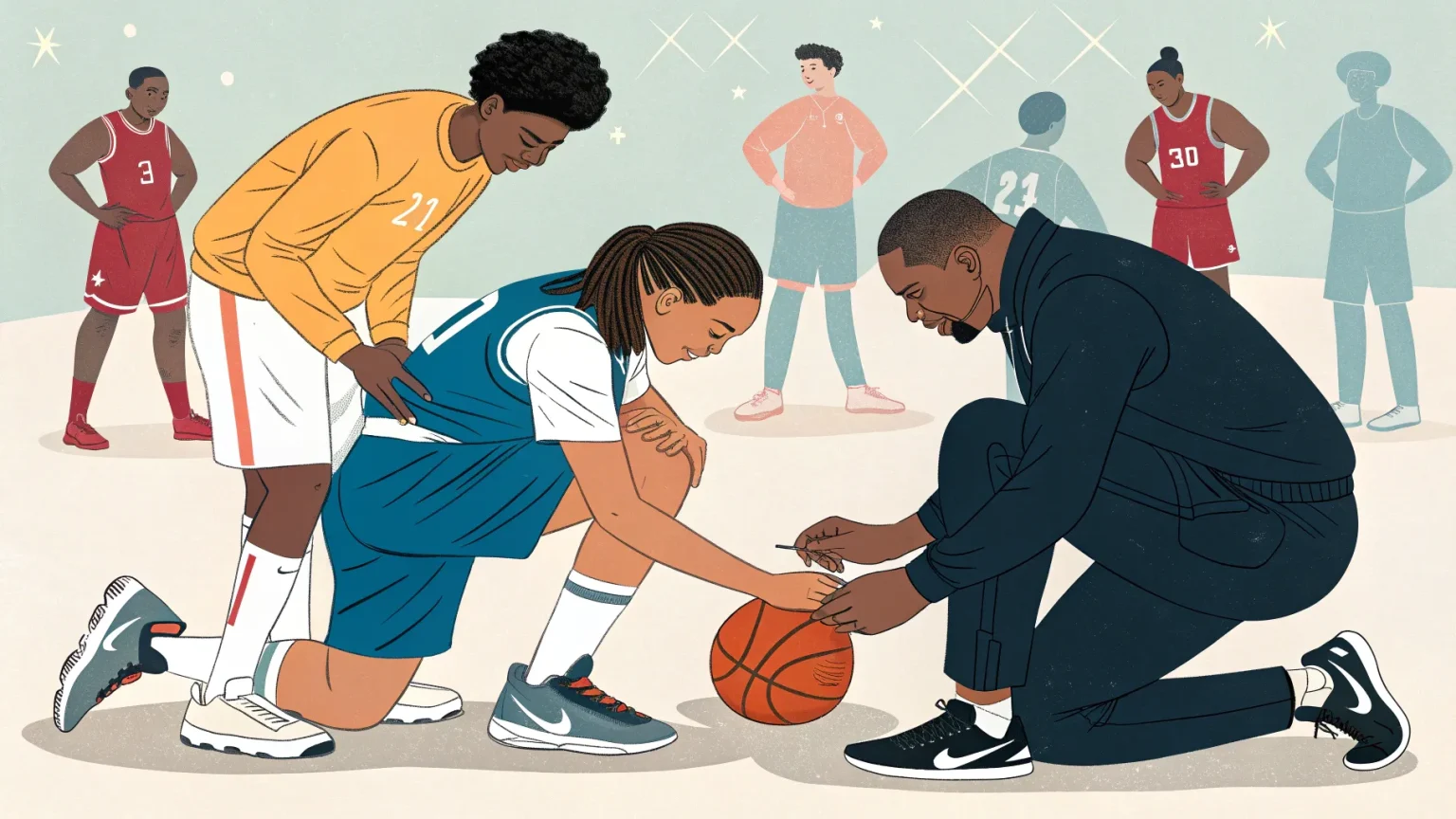
A week later I walked back into that arena cautious and a little scared. Then Julius Erving—Doctor J—changed my life with one act of care. He handed me socks, put his hand on my back, and asked about my family. He signed each pair for my five siblings by name. Then he signed a basketball and set it aside.
“I’m going to save this for you.”
He didn’t have to do any of that. But he did. In that moment I learned that fame doesn’t excuse unkindness. It tests it.
People always ask me about the coolest person I’ve met in sports. My answer has never changed: Julius Erving. And not because of the highlights. Because of what he taught me about how to treat people when nobody is keeping score.
My Core View: Kindness Compounds
Kindness is not a tactic—it’s a long game. It builds trust, loyalty, and real influence. The short-term world applauds power. The long-term world rewards those who lift others. Julius Erving didn’t just sign socks. He saw a kid. He asked about my family. He gave me dignity. That sticks longer than any stat line.
I’ve run companies and coached high performers. The winners almost always share one edge: they choose to be kind under pressure. That choice shapes how teams respond to challenge, how clients stay, and how leaders are remembered.
“Be kind to your future self.”
That line—spoken later by a mentor—fits here. Every kind act is a deposit into who you become. It shapes your reputation, your network, and your peace of mind.
Evidence, Lessons, And The Pushback
The Kareem moment hurt. It also toughened me up. The Doctor J moment healed something deeper. Both live in my head, guiding how I speak to a rookie, a client, or a stranger.
- Don’t quit when it hurts. My mom’s words kept me in the game and gave me the chance to meet the person who changed me.
- Power reveals character. Anyone can be kind when it’s easy; the greats do it when it costs time and attention.
- Small acts echo. A signed pair of socks turned into a lifelong lesson on leadership and humility.
- Names matter. He asked about my brothers and sisters. That told me I mattered beyond the job.
Some will say kindness gets taken advantage of. I disagree. Kindness without boundaries isn’t kindness—it’s enabling. Be kind and clear. Set standards. Hold the line. Then choose respect over ego.
How To Practice It Today
Try this for a week. It will change your outcomes and your outlook.
- Pause before reacting under stress. Choose words you can live with later.
- Learn one personal detail about a teammate or client and use it to help them.
- Write a quick note of thanks to someone who made your path easier.
- Set one boundary you’ve avoided, and do it with calm respect.
- Ask yourself at day’s end: Did I help my future self?
The Bottom Line
I started that job thinking superstars were untouchable. I left those years knowing the real stars are the ones who lift others. Choose kindness on purpose. Protect your standards while you lead with care. That’s how careers grow, teams stay loyal, and legacies last.
Hold your power lightly. Treat people like they’ll remember the moment forever—because they will.
Frequently Asked Questions
Q: What lesson did you take from the Kareem incident?
It taught me resilience. Tough moments don’t define you unless you let them. I stayed, learned, and found a better model of leadership.
Q: Why highlight Julius Erving’s actions after all these years?
Because a small act of respect changed my path. It showed me how true greatness treats people when no camera is rolling.
Q: How can leaders apply kindness without losing authority?
Be kind and firm. Set clear expectations, enforce them consistently, and treat people with respect while you do it.
Q: What does “be kind to your future self” mean in practice?
Make choices you’ll be proud of later—your words, your tone, and your follow-through. Those choices build your reputation and options.
Q: Is kindness really a competitive edge in business?
Yes. It drives trust, retention, and referrals. People remember how you made them feel, and they act on that when it matters.


