

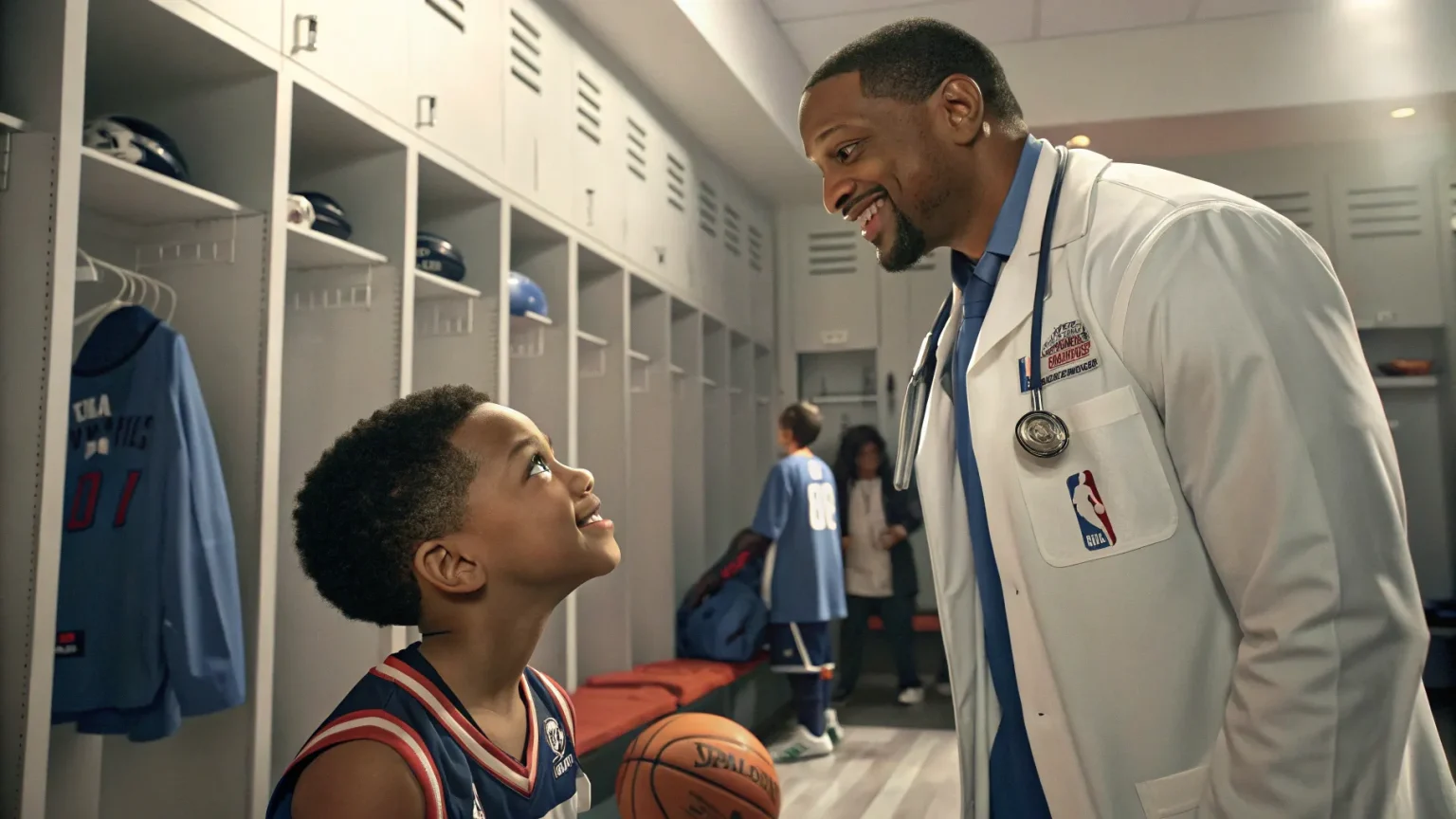
Sports shaped my career. But one moment in a locker room shaped my character. My stance is simple: kindness outranks talent, fame, and even success. It can change the arc of a young life in seconds. That truth hit me when I was a 12-year-old ball boy chasing a dream with the San Diego Clippers.
The Lesson From A Rough Start
My first game was Lakers vs. Clippers. I messed up an assignment, and Kareem Abdul-Jabbar yelled, “boy,” and I froze. I went home in tears and wanted to quit. My mom looked at me and gave me the rule that guides me to this day:
“We don’t quit anything.”
I showed up the next week, nervous and small. I expected more anger from stars. What came next changed my standard for leadership forever.

What Dr. J Taught Me
Julius Erving—Dr. J—stood there holding socks. He placed a hand on my back and asked a simple question about why he had so many pairs. I mumbled the team gave him six. He said, “How many feet do I have?” Two. Then he asked if I had siblings. I did—five. He took each pair and signed them with their names. Then he signed a ball, put it in his locker, and told me he’d save it for me.
“Son, do you know why they gave me so many pairs of socks?”
That moment reset my view of greatness. Real greatness makes someone else bigger. Real power is gentle. Real leadership finds a scared kid and gives him dignity.
Why Kindness Beats Stardom
People always ask me, “Who’s the coolest sports person you’ve ever met?” The answer never changes: Dr. J. Not because of dunks or titles. Because he chose kindness when he didn’t have to. He saw a kid who wanted to quit and gave him a reason to keep showing up.
Harshness can win a moment. Kindness wins the future. The stern voice I heard that first night pushed me down. Dr. J’s voice lifted me up. That lift stayed with me in business, coaching, and life.
My Core Belief
Success without kindness is empty. Kindness turns success into legacy. I’ve seen champions on the court and in boardrooms. The ones who last are the ones who leave people better than they found them. They build loyalty. They spark confidence. They create people who don’t quit.
Counterpoint, And Why It Falls Short
Some say tough love makes winners. Yes, standards matter. But harshness alone breeds fear, not growth. It narrows a kid’s world. Kindness with standards does the opposite. It pushes while it protects. It sets high bars and an open door.
How To Be Kind To Your Future
If you lead a team, a family, or even yourself, try these simple shifts. They take minutes. Their impact lasts years.
- Start with a gentle hand on the shoulder before you coach.
- Ask a question before you give a command.
- Turn mistakes into teachable moments, not labels.
- Personalize your help—use names, know stories.
- Celebrate effort as much as outcome.
These steps don’t soften standards. They strengthen them by building trust.
The Line I Live By
The best advice I give young people is the same line I carry from that arena hallway:
“Be kind to your future.”
Every word you speak to a kid echoes. Every choice you make as a leader compounds. Choose words and actions that pay interest over time.
Final Thought
I’ve worked with stars, owners, and entrepreneurs. Titles fade. The way you treat people endures. Dr. J didn’t just sign socks and a ball. He signed a belief into a scared kid: you belong here. Let’s do that for someone today. Hold your standard. Lead with care. Be kind to your future—and someone else’s.
Frequently Asked Questions
Q: Why do you call kindness a key leadership skill?
Because it lifts performance without fear. Kind leaders set high standards, but they do it in a way that keeps people engaged and willing to grow.
Q: What made Julius Erving stand out to you?
He took time to know me, used my siblings’ names, and turned a bad week into a lifelong lesson. That personal touch defined true class.
Q: Does kindness mean avoiding hard feedback?
Not at all. It means giving direct feedback with respect. You correct behavior while preserving dignity and belief.
Q: How can I apply “be kind to your future” today?
Make one choice that your future self will thank you for—an encouraging word, a patient pause, or support for someone who’s struggling.
Q: What would you say to someone who wants to quit?
Pause, reflect, and seek guidance. Quitting in pain often leads to regret. Give yourself another rep with support and a clear plan.


