

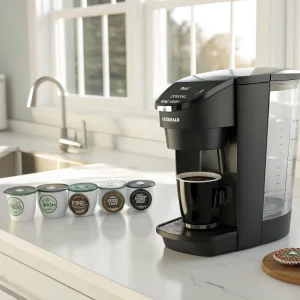
Keurig has agreed to settle a class-action lawsuit over claims about the recyclability of its K-Cup coffee pods, offering customers payments of up to $50. The case centers on how the single-serve pods were marketed and whether consumers could reasonably recycle them where they live. The settlement offers relief to past buyers and signals a broader reckoning over “green” claims on consumer packaging.
What the Settlement Offers
The agreement provides cash payments to eligible customers, capped at $50 per person. Consumers typically need to confirm prior purchases to receive compensation, a standard approach in class actions. While exact timelines and filing rules depend on the final court process, the core idea is to compensate buyers who relied on recyclability statements when choosing the product.
Keurig has settled a class-action lawsuit related to the recyclability of its K-Cups, offering customers up to $50 in damages.
Legal observers note that such settlements often include changes to labeling or marketing, though the full terms of the settlement were not disclosed here. The case adds pressure on brands to align packaging claims with the realities of local recycling programs.
How K-Cups Became a Recycling Flashpoint
K-Cups are small, single-use plastic pods that surged in popularity over the past decade. They are commonly made from polypropylene, a plastic that some facilities accept. But acceptance varies widely by city and by sorting equipment. Many facilities cannot process small, lightweight items that fall through screens or jam machinery.
This gap between a material’s technical recyclability and practical, local recycling is central. Advocates argue that consumers see the word “recyclable” and assume a pod will be recycled after curbside pickup. In reality, that outcome depends on local rules and the capabilities of the materials recovery facility.
Independent estimates place the U.S. plastics recycling rate in the single digits in recent years. That figure highlights the challenge of turning recyclable labels into real-world recovery.
Dispute Over “Green” Labels
The lawsuit reflects rising scrutiny of environmental marketing. The U.S. Federal Trade Commission’s Green Guides advise companies to avoid broad or unqualified claims. If a product is recyclable only in limited communities, the guidance suggests clear qualifiers. Consumer groups say vague terms can mislead shoppers who pay more for products they believe have a lighter footprint.
Companies, for their part, say they are investing in better materials and clearer messaging. Keurig has in the past pointed to shifts to more widely accepted plastics and to instructions meant to help customers prepare pods for recycling. Still, outcomes depend on local systems that brands do not control.
What It Means for the Industry
Packaging claims are now a legal and reputational risk. Several major brands have faced similar challenges over recyclability or compostability statements. Retailers and manufacturers are reworking labels to include qualifiers like “check locally.” Some are exploring take-back programs or changing product design to help sorting equipment capture small items.
For municipal programs, the case could prompt closer coordination with brands on what claims are realistic. It may also spur investment in sorting upgrades, though budgets remain tight for many recycling systems.
Guidance for Consumers
- Check local recycling rules; acceptance of small polypropylene items varies by city.
- Follow preparation steps, such as removing lids and emptying contents, if required locally.
- When in doubt, avoid “wishcycling.” Items that cannot be processed can contaminate loads.
Shoppers who are eligible may seek a payment if they purchased K-Cups during the covered time period once claims open. Documentation can speed processing, though rules vary by settlement.
The settlement closes a chapter in a long dispute over what “recyclable” means on store shelves. It also sets the stage for stricter labels and more cautious marketing across the packaged goods sector. Consumers can expect clearer qualifiers, and regulators are likely to keep pressing for claims that match local reality. The key question ahead is whether labeling changes and product design shifts will raise real recovery rates—or just reset expectations about what curbside systems can handle.


