

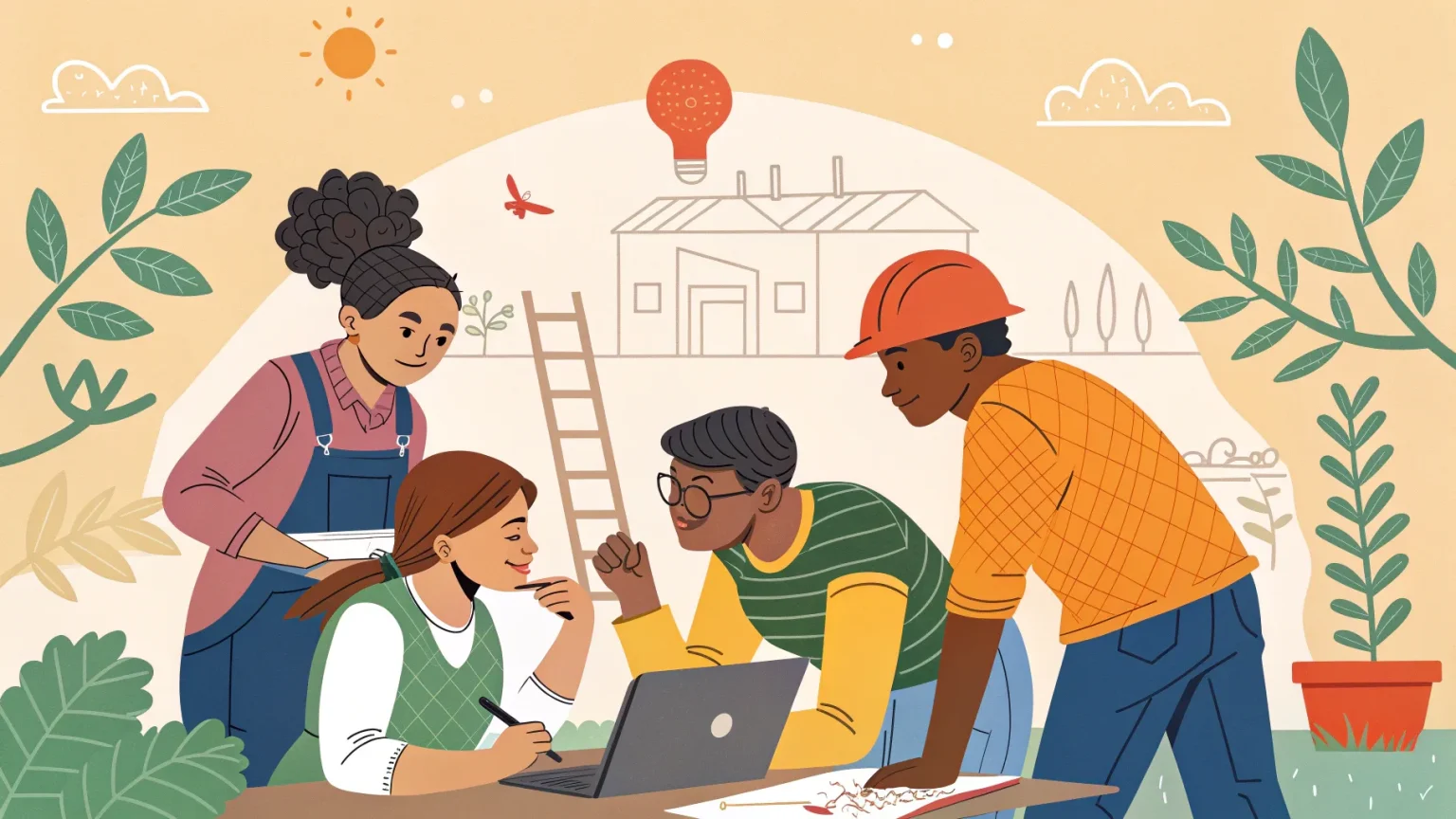
Humility wins. Community compounds. That is the lesson that has carried me through business, coaching, and life. My stance is simple: success is a team sport, and the first step is choosing humility over ego. The second is choosing people over isolation.
This matters because too many leaders still try to grind alone. They treat help like a weakness. They treat advice like a threat. That mindset slows growth and blocks real opportunity.
The Case for Humility and “Know Your Who”
Humility is not a posture; it’s a strategy. You either choose it early, or life hands it to you late. I learned that repeatedly while building companies and coaching top performers. The most consistent pattern among winners is not hype. It’s help.
“I’m either humble or I’m about to be.”
Community creates a mathematical edge. When you move from guessing alone to learning with others, you shift from chance to probability. Possibility is fine. Probability is how goals turn into outcomes.
“Know your who. Who you can help and who can help you.”
This is not about collecting contacts. It’s about identifying the right people to learn from and the right people to serve. When you aim your effort at the right “who,” you shrink the time to results.
“The fastest way to get to where you want to be is find someone that’s already there and ask for directions.”

Why This Works
People are the shortcut. Someone has already paid the price for the knowledge you need. Ask. Listen. Apply. Then pay it forward. That cycle turns random luck into repeatable wins.
Here is how I practice it day to day:
- Start with humility: admit what you don’t know yet.
- Map your “who”: list people who have your next answer.
- Ask clear questions: request directions, not miracles.
- Create value first: help someone get where they want to go.
- Measure probability: track how your odds improve with each connection.
Each step shifts you from hoping to compounding. You stop throwing darts in the dark and start aiming with guidance.
Evidence From the Field
As a coach and investor, I’ve watched careers change the moment someone changed their circle. A founder struggling with sales doubled conversions after weekly calls with a mentor who had already built a nine-figure pipeline. A young athlete stopped chasing hype and built a routine with a veteran who had already played on the biggest stage. The pattern is the same: guidance increases odds.
Some argue, “Doing it alone builds grit.” I respect grit. But grit without guidance is waste. Ten years of trial-and-error cannot beat one hour with the right person. Others say, “Help makes you dependent.” I disagree. Help makes you accountable. It forces clarity, action, and feedback.
There’s also a moral edge here. When you help someone else get to their goal, your own path gets clearer. That is not karma talk. It’s cause and effect. People prefer to open doors for those who open doors for others.
From Possibility to Probability
Let’s be honest. “Anything is possible” is a poster. It’s not a plan. The plan is people. Move from a vague “what” to a specific “who,” and watch the math of your life change. Introductions, insight, and support add up. That is how you convert dreams into data and targets into timelines.
“Help someone get to where they want to be.”
That is the hidden key: serve first, ask second, and keep your pride in check. If you do, your odds rise. Your speed increases. Your setbacks teach you faster.
A Call to Action
Pick one goal. Write down three people who have already reached it. Ask each for one piece of advice you can act on this week. Then write down three people you can help today and do it. Repeat that loop for 30 days. Watch your momentum compound.
The choice is simple: ego or progress. Choose humility. Choose community. Choose probability.
Frequently Asked Questions
Q: How do I find the right “who” for my goal?
Look for people who have already solved your exact problem. Search your second-degree network, alumni groups, industry events, and social platforms. Aim for fit over fame.
Q: What should I ask when I reach out?
Keep it simple: one clear question, one specific context, and one small action you will take based on their advice. Respect time and follow through.
Q: How do I offer value if I’m just starting?
Share useful info, make thoughtful intros, provide honest feedback, or volunteer your time. Effort and consistency count more than status.
Q: Isn’t relying on others risky?
Blind trust is risky. Smart trust is wise. Vet people, test advice in small steps, and measure results. Keep your standards high and your mind open.
Q: How will I know if my odds are improving?
Track outcomes you can count: response rates, meetings booked, intros made, conversions, and cycle time. If those numbers rise, your probability is climbing.


