

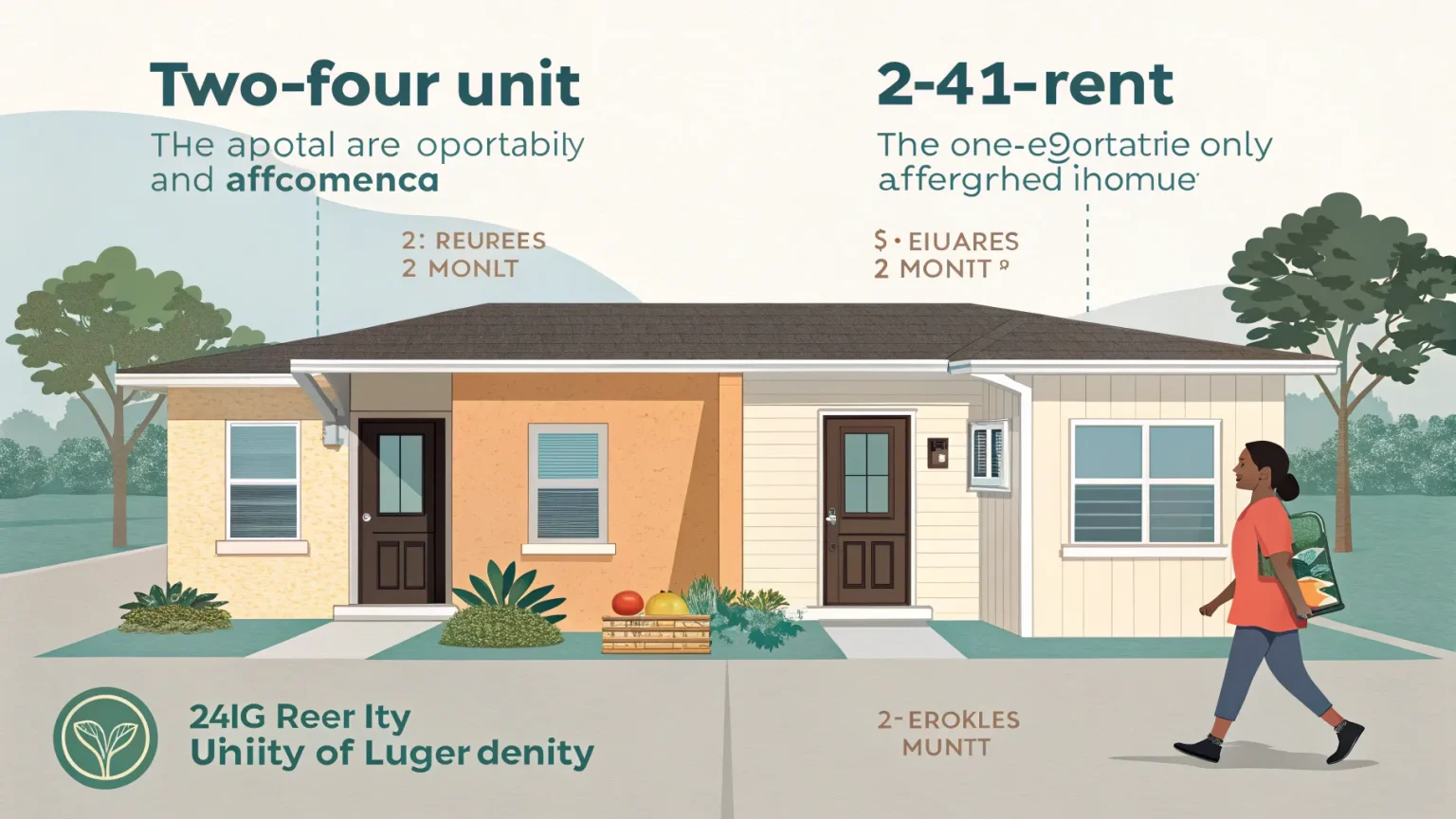
If you’re young and single, your first real estate move should be simple and bold: buy a two-to-four unit building, live in one unit, and rent out the others. That’s the cleanest path I know to cut your living costs and learn the game while building equity. Housing is expensive, but strategy beats price every time.
My stance is direct: start with a small multi-unit that you can live in. It’s not glamorous. It’s smart. The rent from the other units helps pay your mortgage, and you get a real education you can’t learn from a spreadsheet.
“A single young person should buy a multi unit up to four units and live in one and rent out the others as their very first real estate investment.”
The Core Play: Live In One, Rent The Rest
This approach gives you control, cash flow potential, and a built-in safety net. You reduce your biggest expense—housing—while an asset appreciates in your name. That’s how wealth begins: with ownership and cash discipline. I’ve coached enough investors to know that the first deal sets your habits. Make it one you can manage and learn from.
But location matters. Not every city offers the same kind of small multi-units, and not every area will be a place you want to live. I’ve heard the same question over and over about Las Vegas. The honest answer isn’t sugar-coated.
“People ask me about Vegas… where are some good fourplexes in Vegas? I’m like, ain’t anywhere you wanna live… But there are other areas where there’s nice fourplex areas… Ohio, Michigan, Wisconsin.”
The lesson: the strategy works, but the zip code must fit your life. Live where you want, and buy where the numbers and the neighborhood both make sense. If those are the same place, great. If not, widen the search to nearby towns or even different states with stable working-class demand.
What Makes This Work
The attraction of a small multi-unit is practical. You can learn tenant screening, basic maintenance, and budgeting with limited risk. You also keep options open. If income rises or your life changes, you can move out and keep the property as a rental.
This is a launchpad, not a finish line. It gives you skills and confidence for larger moves later. You’re not trying to crush it on day one; you’re trying to not make the mistake that takes you out of the game.
- Buy two-to-four units so you can live on-site and learn fast.
- Run the numbers as if one unit is vacant. If it still works, you’re safer.
- Pick an area you’d actually live in or can manage with ease.
- Screen tenants well; one bad tenant can erase a year of profit.
- Keep cash reserves; repairs never ask for permission.
These steps help reduce the guesswork and keep your first deal from becoming your last.
Answering The Pushback
Some will argue that living with tenants is inconvenient. Fair, but temporary. You trade a little comfort for a big head start. Others worry about finding the “right” market. The truth is, many Midwest and heartland cities have solid four-unit options in areas where you can live well and still cash flow. That’s why I pointed to Ohio, Michigan, and Wisconsin. Not every street works, but there are pockets that do.
Another concern is risk. Every investment has some. But a small multi-unit spreads that risk across more than one door. If one tenant leaves, your income doesn’t drop to zero. That buffer matters more than people admit.
The Move You’ll Thank Yourself For
If you want a real estate education that pays you to learn, this is it. Live in one, rent the rest, and let time do its work. You lower costs, build equity, and grow skills that compound. Don’t overcomplicate a smart first step.
Start by walking neighborhoods you’d live in. Talk to local agents who work with small multi-units. Run conservative numbers. Then act. The first property won’t be perfect, but it can be the one that changes your path.
Frequently Asked Questions
Q: What if my city doesn’t have good fourplex areas?
Expand your search to nearby suburbs or regional cities with stable jobs and decent schools. Aim for places you’d actually live, not just low prices.
Q: Is a duplex good enough for a first purchase?
Yes. Two, three, or four units work. More doors help with cash flow, but a well-bought duplex can still cut your housing cost and teach key lessons.
Q: How do I decide if the numbers make sense?
Assume one unit is empty, include taxes, insurance, maintenance, and a repair fund. If the rents cover costs and leave a cushion, you’re in a safer spot.
Q: What if I don’t want to live with tenants long-term?
Think of it as a season. Live on-site for a year or two to stabilize the property. After that, you can move and keep it as a rental.
Q: How do I handle repairs and issues without experience?
Build a small team: a dependable handyman, plumber, and electrician. Keep cash reserves and fix small problems early before they grow.


