

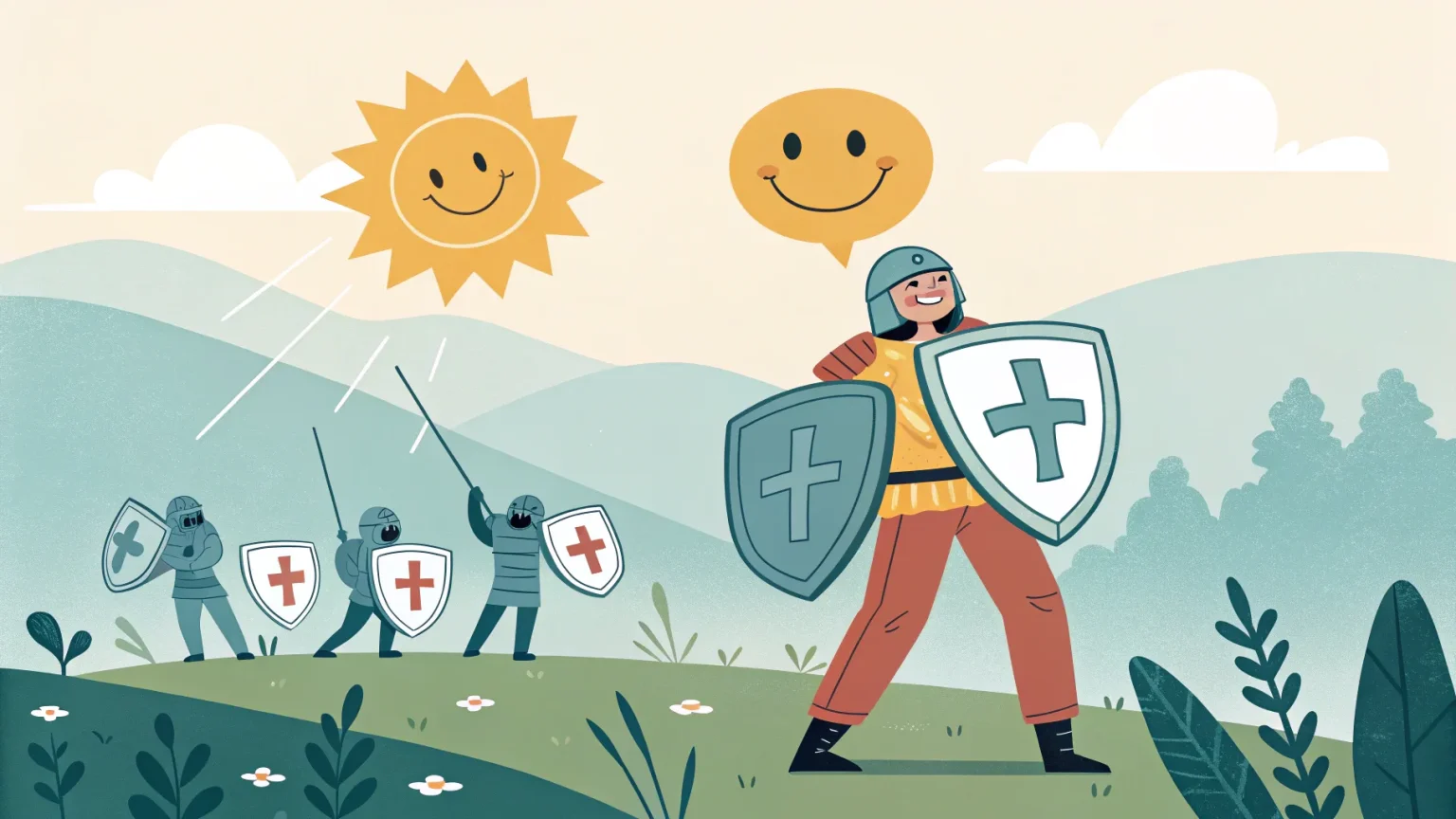
I’ve spent decades coaching athletes, entrepreneurs, and students. One lesson keeps proving itself: happy people don’t attack. When someone comes after you, they’re not at peace. Their anger is a mirror of their pain, not a measure of your worth. My stance is simple and firm. Joy is a shield, and attacks are confessions of unhappiness.
This matters because public life is loud. Social feeds, office politics, and even family group chats can turn sharp fast. If we misread attacks as truth, we give away our power. If we remember where they come from, we gain it back.
Why Attacks Aren’t About You
Here’s the core idea I teach and live by:
“Happy people don’t attack you. It’s almost physically impossible. They’re not saying anything bad. They’re not thinking anything bad. They’re not acting on anything to hurt you.”
People who are laughing, present, and grateful don’t spend energy tearing others down. They don’t have the need. Attack is a strategy to move pain off the attacker and onto someone else. It’s a short-term release that never solves the real problem. I’ve seen it in locker rooms, boardrooms, and at the dinner table.
Some push back and say, “But what about constructive criticism?” I agree that real feedback is a gift. The difference is tone and intent. Happy people give direction without spite. They point to behaviors, not identities. They don’t try to wound you to prove a point. Attack aims to hurt; feedback aims to help.

The Practice of Turning Heat Into Ash
“If somebody attacks you, it’s for one reason. They are not happy with themselves. Has nothing to do with you. You turn to ash.”
That last line is my playbook. “You turn to ash.” Let the heat burn out on contact. No reaction. No fuel. Just a calm release. I’m not asking you to be a doormat. I’m asking you to hold your peace so you can choose the right response.
I’ve coached top performers through public storms. The ones who win long-term do three things: they keep their joy, they set clear boundaries, and they don’t attach their identity to stray comments. When you know who you are, you don’t need to prove it to people who are hurting.
There’s also a practical reason to choose calm. When you meet attack with attack, you enter a game you can’t win. The lowest energy wins the moment, but the highest energy wins the day. You don’t need to be right; you need to be aligned.
How to Respond Without Fueling the Fire
Here is a simple approach that has helped my clients and me keep peace and still keep standards.
- Pause and breathe. Give yourself a beat before you reply.
- Ask, “Is this person in pain?” Assume hurt before you assume malice.
- Separate message from method. Look for any useful note inside the noise.
- Set a boundary. “I’m open to feedback. Not to insults.” Then stick to it.
- Respond with kindness or not at all. Silence can be strength.
- Return to gratitude. One minute of thanks resets your nervous system.
This isn’t theory. It’s daily work. I’ve made the mistake of snapping back. Every time, I paid for it twice: once in the moment, again in the fallout. When I chose joy and standards over pride, I made better decisions and kept relationships that were worth keeping.
What This Means for Leaders and Teams
Leaders set the tone. If you attack, your team will mimic you. If you train calm accountability, people will rise. Praise in public. Correct in private. Reward those who tell the truth without venom. Make space for honest talk and clear rules. Culture is the sum of daily energy choices.
You won’t control every voice around you. You can control your state. Choose laughter, gratitude, and service. When you do, attacks lose their grip. They hit and fall. Ash.
My final word: Guard your joy like an asset. It’s not a mask. It’s armor. The next time someone fires at you, remember where it comes from. Then choose to stand tall, respond with grace, and move forward with purpose.
Call to Action
Today, practice the pause. Pick one tense conversation and replace reaction with curiosity. Set one clean boundary. Write down three things you’re grateful for. Do it again tomorrow. That’s how you turn heat into ash—and keep your peace.
Frequently Asked Questions
Q: How can I tell if criticism is helpful or harmful?
Helpful feedback targets behavior and offers a path forward. Harmful attacks target identity, use shame, and push you into defense.
Q: What should I do if the attacker is a boss or client?
Stay calm, restate your boundary, and move the talk to specifics. If it continues, document it and escalate through the proper channel.
Q: Doesn’t ignoring attacks make me look weak?
Silence is not surrender. It’s strategy. Respond when it serves the goal. Don’t feed a fire that wants your attention more than your answer.
Q: Can happy people still deliver tough messages?
Yes. They do it with respect and clarity. The aim is improvement, not control. Tone and timing make the difference.
Q: How do I keep my joy under constant pressure?
Build daily habits: gratitude, clear priorities, recovery time, and service. These refill your energy so pressure doesn’t drain your purpose.


