

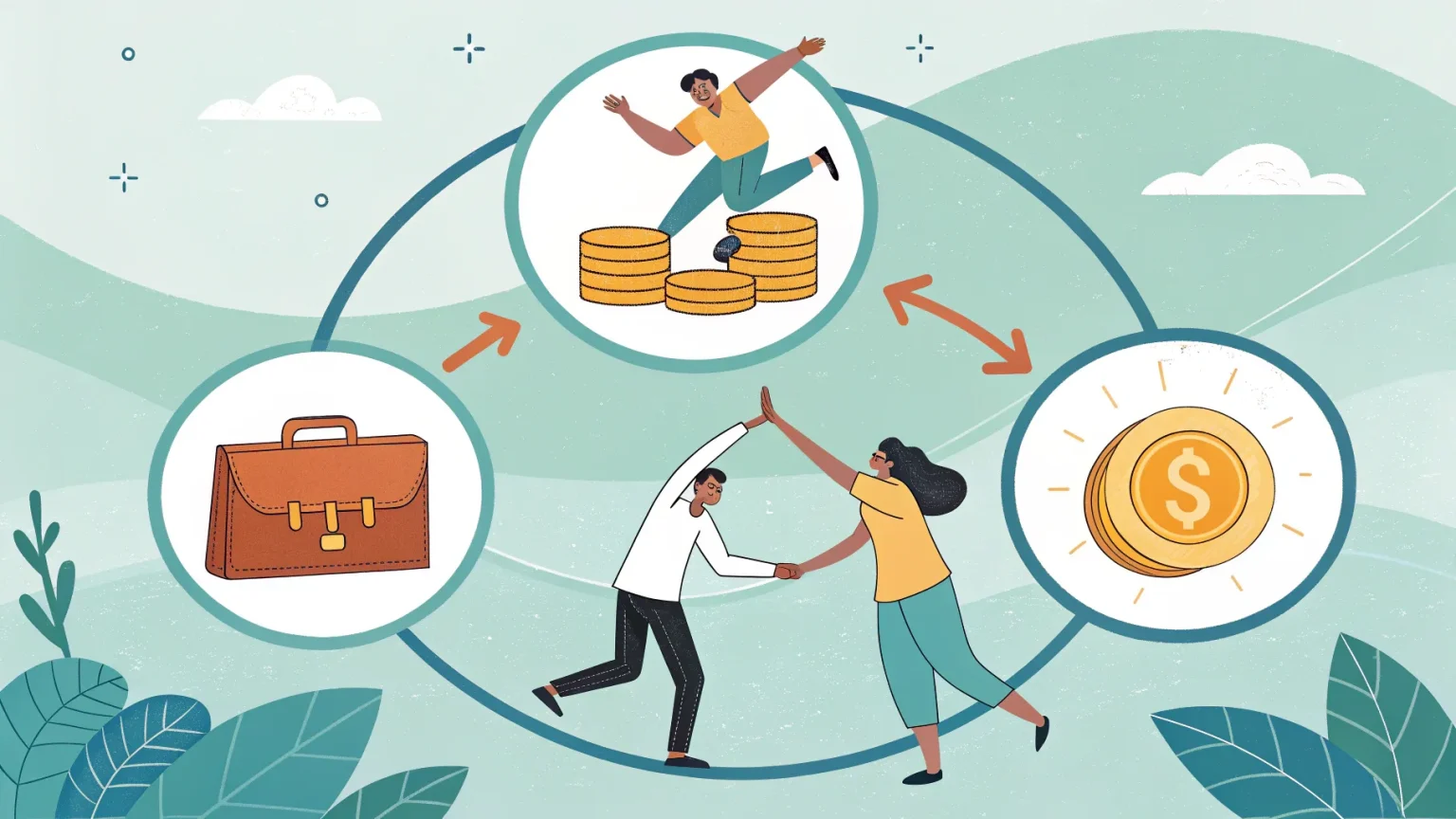
As a coach and leader in business, I have spent years studying why some people shine and others stall. The answer turned out to be simple, not easy: happiness is a byproduct of three daily choices. My stance is clear. If you make a lot of money, help a lot of people, and have a lot of fun—every day—you will be happy.
“I help people pragmatically through this framework, make a lot of money, help a lot of people, and have a lot of fun. And the reason I do it is I’ve never met one person on earth that makes a lot of money, helps a lot of people, and has a lot of fun every day that isn’t happy.”
I have seen this rule hold across industries, cultures, and stages of life. People want freedom, impact, and joy. This framework delivers all three, in that order. Money fuels options. Service gives purpose. Fun sustains the effort. Skip one and the system breaks.
The Framework That Never Lies
Money is not the goal; it is the byproduct of value. Too many people chase cash without creating value. That race ends in anxiety. The shift is to ask, “How can I help someone make or save money or time today?” Do that at scale and income grows with integrity.
Helping people is the fastest path to growth. When you solve real problems, you build trust, referrals, and long-term ties. Purpose replaces burnout. You wake up with energy because someone needs you to show up.
Fun is a skill, not an accident. Most people wait for fun to show up. I schedule it. I gamify hard tasks. I celebrate tiny wins. Joy is fuel. Without it, even wins feel heavy.
How I Apply It Daily
I keep my system practical and measurable. That keeps me honest and consistent.
- Each morning, I set one goal to create value for someone who can say “yes.”
- I ask five people, “How can I help?” Then I do it fast.
- I put fun on my calendar: family time, recovery, laughter, and learning.
These small acts compound. Over time, they create wealth, a strong network, and a resilient mindset. That is not theory. It is lived behavior, repeated daily.
Evidence That Backs It Up
Look at the happiest high performers. They are not only rich. They serve and they smile. The pattern repeats. Entrepreneurs who tie revenue to real outcomes enjoy more loyalty and less churn. Teams that laugh together produce more and quit less. Generous leaders attract top talent without begging.
When people argue, they say, “Money doesn’t buy happiness.” I agree. But poverty does not buy it either. Money buys freedom of choice. What you do with that freedom decides the rest. Use it to help people and enjoy life, and your days start to stack in your favor.
Others say, “Service should be pure, not tied to profit.” That view sounds noble, but it often hides fear. If you refuse to receive, you limit how much you can give. Abundance is giving and receiving with gratitude. That balance sustains impact over decades, not months.
Simple Metrics That Keep Me Aligned
I ask three questions at night. Did I create measurable value today? Did I help someone who could not repay me? Did I laugh out loud? If the answer is yes to all three, the day was a win. If not, I fix tomorrow’s calendar, not my self-worth.
This approach also reduces stress. Clarity kills fear. One aim for wealth, one for service, one for joy. That is enough to build a life that works in business and at home.
The Non-Negotiable Conclusion
Happiness is earned through daily choices that align income, impact, and joy. Wait for motivation and you stall. Build a system and you move. Start with one step today.
Here is the call: pick one person to help, one value to create, and one fun moment to schedule. Do it for 30 days. Track it. Watch your mood, your money, and your relationships change. Then double down.
Frequently Asked Questions
Q: What if I do not care about money?
Lack of money limits choices. Earning more expands how you can give, learn, and live. Treat income as fuel, not identity.
Q: How do I “help a lot of people” without burning out?
Create systems. Offer repeatable solutions, set boundaries, and schedule recovery. Scale service with tools and partnerships so you are not the bottleneck.
Q: What if my job isn’t fun right now?
Add small fun first: music, movement, breaks, and quick games. Then redesign tasks around strengths. If needed, plan a role shift over time.
Q: How can I measure progress with this framework?
Track three dials: daily value created, people helped, and joyful moments. Review weekly. Adjust inputs, not your goals.
Q: Isn’t service supposed to be selfless?
Service thrives when you can sustain it. Receiving fair returns lets you serve longer, reach more people, and keep your energy high.


