

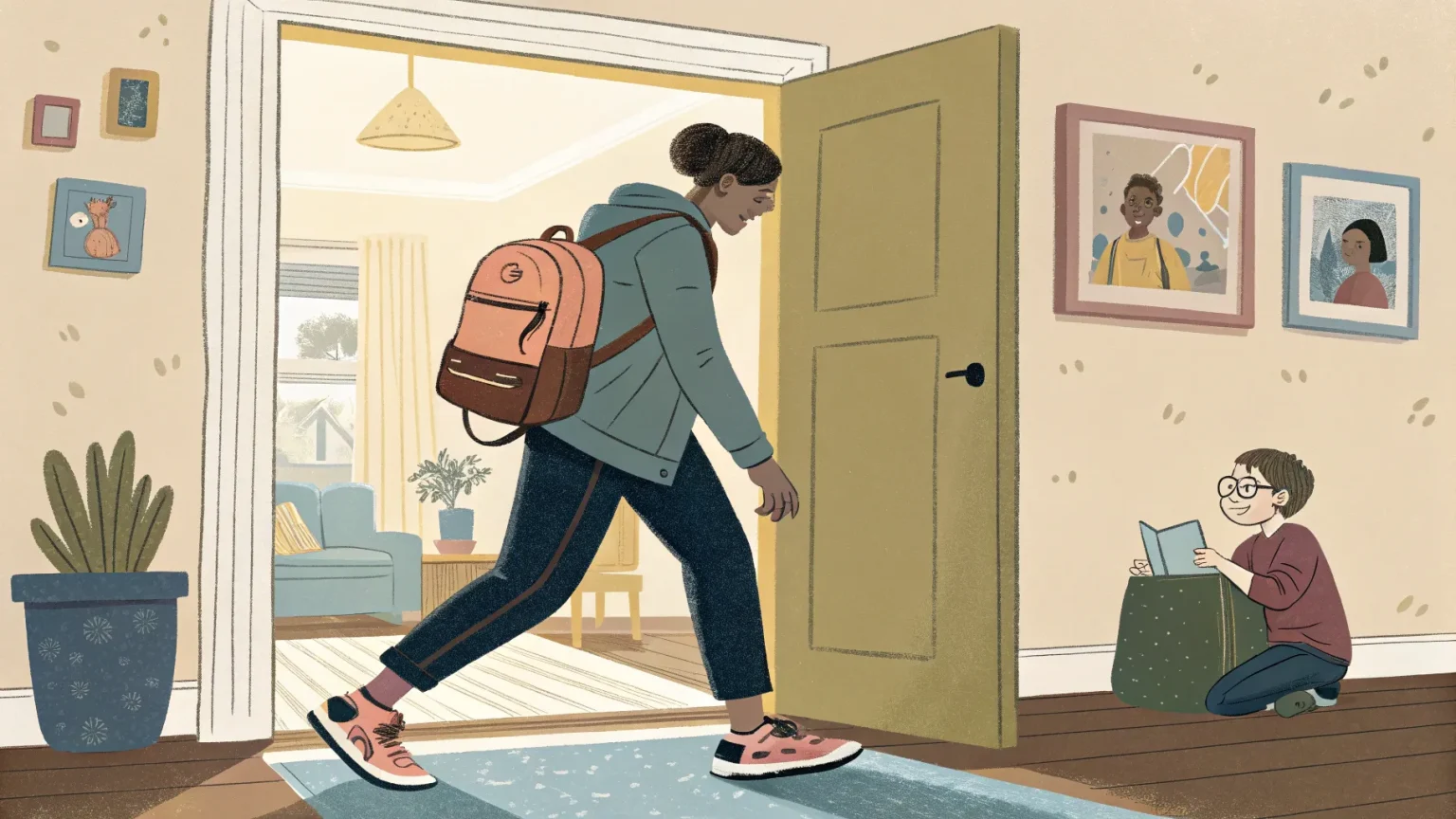
After a long run from Hong Kong to LA to Mexico City and back, I walked into my house exhausted. My wife didn’t greet me with a trophy. She gave me a mission. “Go pick up your 14-year-old.” In that moment, I grumbled. Then the lesson hit me like a brick.
My opinion is simple: gratitude is the switch that turns duty into joy. It changes the story we tell ourselves about work, family, and time. That small shift can alter a day, a career, and a life.
This matters because many of us confuse busyness with purpose. We say we “have to” do things, and we drown in tasks. Gratitude turns “have to” into “get to.” And that changes everything.
The Moment That Reset Me
My wife heard me on the road, talking about how hard I was working, how much I missed my daughters, how I wanted more time with them. Then she called me out. She reframed my complaint into a gift.
“I hear you whining on the road how hard you’re working… and all I hear is how much you miss your daughters and I’m giving you an opportunity to be with her for thirty minutes… and you’re telling me you have to go do that?”
She was right. It wasn’t a chore. It was time with my daughter. One-on-one. No phones. No meetings. Just us in a car for thirty minutes.
I realized I had lost my gratitude. I stopped seeing the chance in the chore. The difference between dreading the drive and loving it was one thing:
“One thing, gratitude. I lost my gratitude. I get to go pick her up. I get to go be with her.”
My Core View: Gratitude Is a Decision
Gratitude is not a mood. It’s a choice. It’s training your mind to see value where others see burden. It’s how you turn daily life into a series of wins.
People ask how to gain confidence, presence, or happiness. They want a hack. Here it is: change your language. The words you use shape your emotions, and your emotions drive your actions.
“Same thing with everything, you get to be in school.”
That line applies to work, parenting, studying, and leading. You get to learn. You get to serve. You get to show up.
How I Practice the Shift
Here’s how I turn “have to” into “get to” in real time. It’s simple enough to use today.
- Pause before reacting. Take one breath.
- Replace the phrase “I have to” with “I get to.” Say it out loud.
- Name the benefit. Time with family, a chance to learn, income, health.
- Do the first next step. Action cements the new story.
- Review at night. What did gratitude change today?
This is not about pretending everything is perfect. It’s about choosing a useful frame so you can act with energy and clarity.
Addressing the Pushback
Some people tell me gratitude feels like fake positivity. They think it denies real stress. I hear that. But that’s not what I’m talking about. I’m not saying ignore pain or skip the hard parts. I’m saying start with appreciation, then do the work.
Gratitude doesn’t erase problems. It strengthens you for them. It gives you access to patience, creativity, and compassion. That’s not fluff. That’s practical.
What This Means for Work and Family
In business, we often claim we’re stretched thin. I’ve led teams, coached leaders, and sat in rooms where people confuse importance with complaint. The leaders who win reframe fast. They ask: What do we get to learn here? What do we get to build here? Who do we get to help here?
At home, the same rule applies. That pickup line you dread can become a small classroom. Your kids are trapped in the car with you—use it. Ask curious questions. Share a story. Listen more than you talk. That half hour can be the best part of your day.
Try These Small Reframes Today
These quick swaps can reset your mindset in seconds.
- “I have to go to the gym” → “I get to move my body.”
- “I have to study” → “I get to build my future.”
- “I have to lead this meeting” → “I get to set the tone.”
- “I have to handle this problem” → “I get to show what I’m made of.”
One word changes the day. One day repeated becomes a habit. Habits shape results.
My Final Take
Gratitude is the most reliable performance tool I know. It keeps priorities straight. It turns presence into progress. It reminds me that love is spelled T-I-M-E.
Try it for one week. Change “have to” into “get to” every time you catch yourself. Write down what shifts. Your energy will rise. Your patience will grow. And the people you care about will feel it.
That ride to pick up my daughter wasn’t an errand. It was the point. And I don’t want to miss the point again.
Frequently Asked Questions
Q: How can I build a daily habit of gratitude?
Start small. Each morning, list three things you get to do today and why they matter. At night, write one win that came from that mindset.
Q: What if my situation is genuinely hard or unfair?
Acknowledge the hardship first. Then ask, “What do I still control?” Gratitude doesn’t deny pain; it helps you access strength to respond well.
Q: How do I use this with my kids or team?
Model the language. Replace “have to” with “get to” out loud. Invite others to share one benefit in any task. Keep it short and real.
Q: Does gratitude replace goals and accountability?
No. It fuels them. Gratitude gives energy and clarity, which makes goals more achievable and accountability easier to accept.
Q: What should I do when I forget and fall back into complaints?
Reset fast. Take a breath, swap the phrase, and name one benefit. Progress beats perfection. The repetition builds the habit.


