

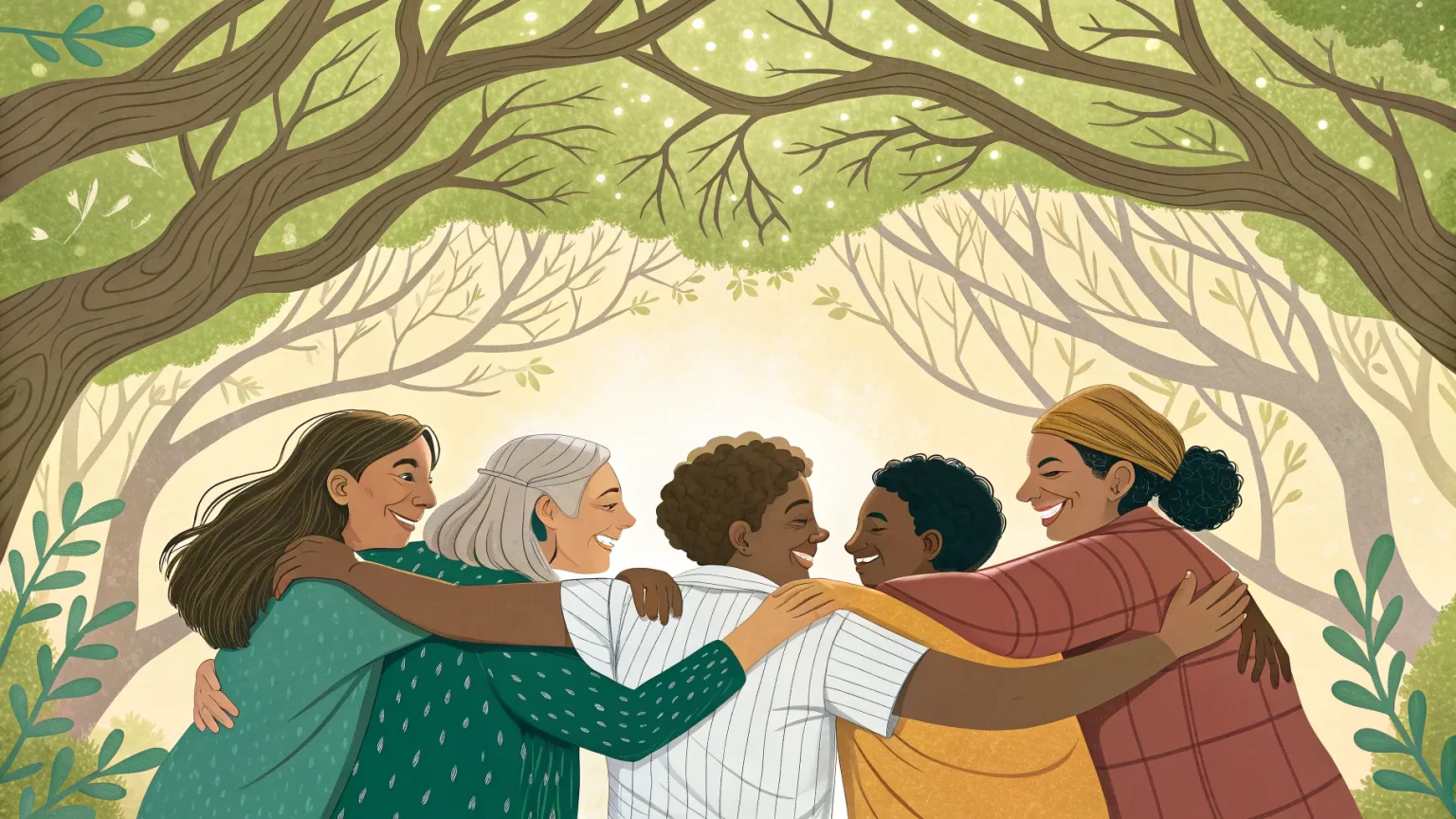
I believe gratitude is my superpower. It’s not just a feel-good practice or trendy wellness habit—it’s the foundation of how I approach life and business. Every day, I make a conscious effort to find the light, love, and lesson in everything that happens, whether challenging or joyful.
Our nation faces a crisis of separation. Political divides, social media echo chambers, and cultural conflicts have fractured our sense of unity. But I’ve discovered a simple yet powerful solution to this problem: appreciate the differences.
The Myth of Equality vs. The Power of Difference
America was founded on the principle of equal opportunity for all. This is a noble ideal, but there’s an important distinction we often miss. Equal opportunity doesn’t mean we’re all the same. In fact, I’m not equal to any of you—and you’re not equal to me. We each bring unique strengths, perspectives, and abilities to the table.
This isn’t a weakness in our social fabric; it’s our greatest strength. When we appreciate our differences rather than trying to homogenize everyone, we unlock tremendous potential for collaboration and growth.
My experience in sports management taught me that championship teams aren’t built with identical players. They’re constructed with individuals who have complementary skills. The same principle applies to our society.

Practicing Difference Appreciation
How do we move from theory to practice? I’ve found several approaches that work:
- Seek to understand before being understood
- Ask questions about others’ experiences with genuine curiosity
- Look for strengths in those who think differently than you
- Consider how your weaknesses might be someone else’s strengths
- Express gratitude for diverse perspectives, even when challenging
The magic happens when we stop seeing differences as threats and start recognizing them as opportunities. My background in business has shown me that diverse teams consistently outperform homogeneous ones—but only when that diversity is genuinely valued.
Gratitude as a Bridge-Builder
Gratitude serves as the perfect foundation for appreciating differences. When I approach others with thankfulness for what they bring to the table, defensiveness melts away. This isn’t about tolerating differences—it’s about celebrating them.
I’ve witnessed this transformation in corporate settings, where teams previously at odds found common ground through appreciation exercises. The shift is remarkable: from “why are they so difficult?” to “what can I learn from their approach?”
Gratitude is my superpower and I don’t ever discount gratitude. I am constantly trying to find the light, the love, and the lesson in everything.
This mindset has transformed my personal and professional relationships. Rather than surrounding myself with people who think exactly as I do, I intentionally seek out those who challenge my perspectives. The result? Better decisions, more innovation, and deeper connections.
A National Healing Strategy
What if we applied this approach to our national discourse? Instead of demonizing those with different political views, what if we got curious about their concerns? Rather than dismissing cultural differences, what if we explored what we might learn from them?
The solution to our biggest problem of separation in America isn’t complicated, but it requires courage. We must:
- Acknowledge our differences without judgment
- Identify how these differences create unique strengths
- Explore how our varied perspectives can complement each other
- Express gratitude for the diversity that makes our nation resilient
This approach doesn’t require us to abandon our values or beliefs. It simply asks us to recognize that our individual limitations can be overcome through collaboration with those who excel where we struggle.
Moving Forward Together
My goal—and I hope yours too—is to appreciate how we’re different so we can see how we can help each other with our strengths and weaknesses. This isn’t just idealism; it’s practical wisdom that has guided my success in business and life.
The next time you encounter someone whose perspective seems alien to yours, try this: instead of focusing on why they’re wrong, ask yourself what they might see that you don’t. The answer might surprise you—and it might be exactly what you need.
Gratitude for our differences won’t solve every problem we face. But it creates the conditions where solutions become possible. And in a world that often feels hopelessly divided, that’s a superpower worth developing.
Frequently Asked Questions
Q: How can gratitude actually help bridge political divides?
Gratitude creates psychological safety that allows people to lower their defenses. When we approach political conversations with appreciation for different perspectives, we shift from debate to dialogue. This doesn’t mean agreeing with everyone, but it opens channels for understanding underlying concerns rather than just reacting to surface positions.
Q: Isn’t appreciating differences just another way of saying “agree to disagree”?
Not at all. “Agree to disagree” often means ending conversation and maintaining separation. Appreciating differences is active engagement that recognizes how varied perspectives can combine to create better solutions than any single viewpoint could produce. It’s about collaboration rather than compromise.
Q: How do you practice gratitude when faced with truly harmful or destructive viewpoints?
This is an important distinction. Appreciating differences doesn’t mean accepting harmful behaviors or beliefs. Instead, it means trying to understand the legitimate needs or fears that might underlie problematic positions. Sometimes the gratitude might simply be for the clarity that comes from seeing boundaries that need to be maintained.
Q: Can businesses benefit from this “appreciation of differences” approach?
Absolutely. Companies with diverse teams that actively value different perspectives consistently outperform their competitors in innovation, problem-solving, and market adaptation. The key is creating cultures where differences aren’t just tolerated but actively leveraged as strategic advantages.
Q: What’s one simple practice someone could start today to build this “gratitude superpower”?
Begin by identifying someone whose approach or perspective often frustrates you. Write down three specific strengths or insights they possess that you don’t. Then reflect on how those qualities might complement your own abilities. This simple exercise begins training your mind to see differences as resources rather than obstacles.


