
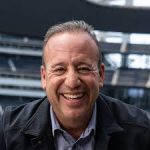
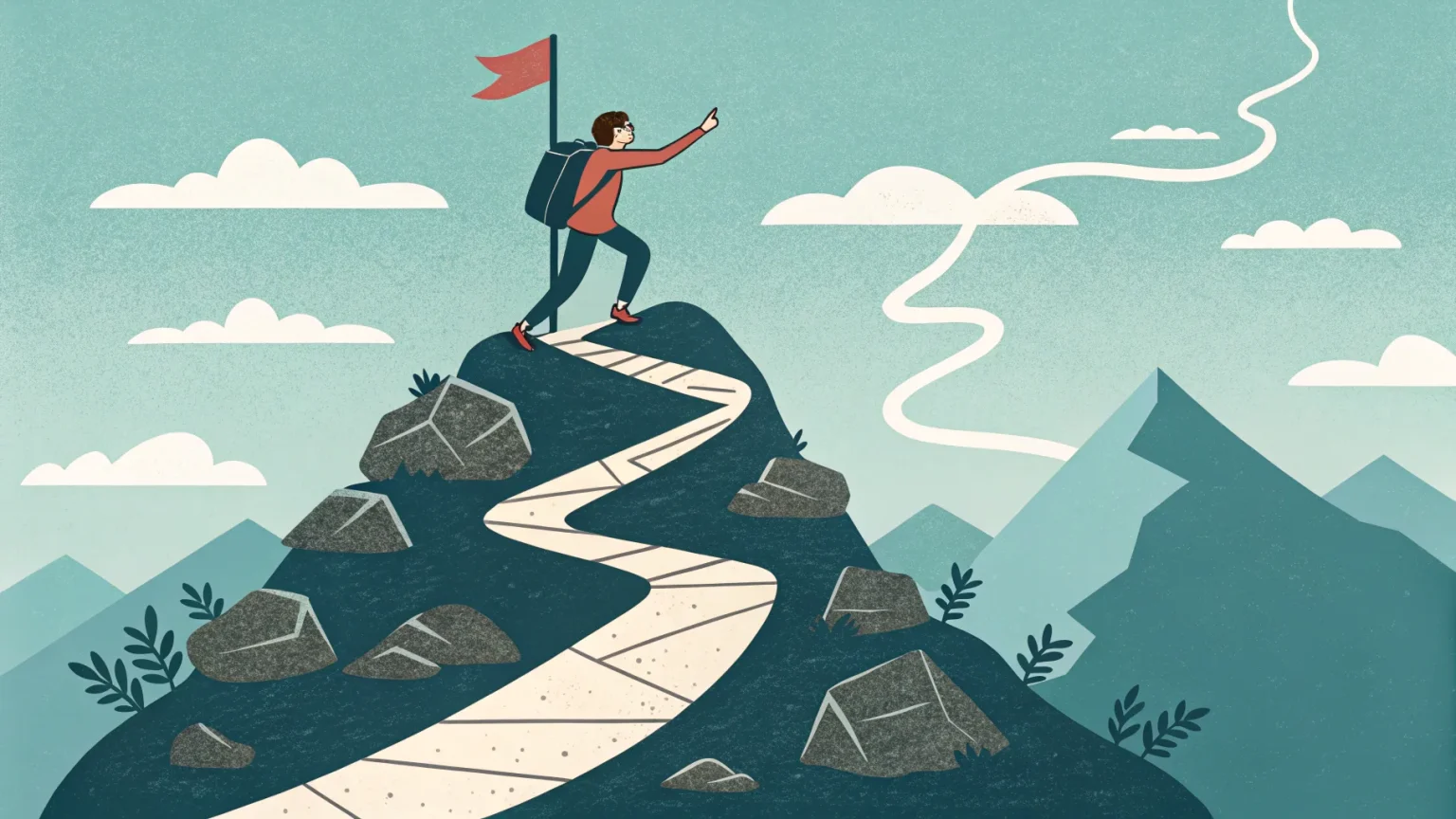
Setbacks don’t ask for permission. They show up in our careers, our health, our relationships. I’ve lived long enough in business and coaching to see the same truth repeat itself: how you frame the pain decides what it becomes. My stance is simple. Faith is not optional if you want to turn struggle into strength. Wisdom helps you move faster, but faith decides whether you move at all.
You have to believe that this shit that’s happening today, the struggles, the pain, the setback, the failures, the void shortages, and obstacles today are for my betterment. And the only way you can believe that is faith. Wisdom will help you get there faster, but faith is required.
Why Faith Comes First
In business, I’ve seen champions crumble not because they lacked talent, but because they lost belief when outcomes turned against them. I’ve seen the opposite too—people who kept going because they trusted that the tough moment meant something. Faith turns punishment into preparation. Without it, every loss becomes proof you’re not enough.
If you don’t have faith that there’s something bigger than you that loves you, protects you, and promotes you more than your mama, you ain’t gonna get there.
That belief isn’t a slogan. It’s a decision. It shapes how you act when the meeting falls apart, when the deal dies, when you miss the shot. Faith gives meaning to the mess. Wisdom refines the tactics. But if you think life is out to get you, you’ll play small, hedge your bets, and excuse your hesitation as “strategy.”
Wisdom Is Speed, Not Fuel
I coach leaders to study, practice, and ask for help. That’s wisdom. But knowledge without belief becomes analysis paralysis. When outcomes look bad, the mind hunts for evidence that confirms the worst story. Faith breaks that loop. It doesn’t deny facts. It assigns a purpose to them.
I promise you because you are gonna be punished every day in your life when a negative or perceived bad outcome is occurring.
That “punishment” is how most people judge the moment. Faith reframes the event before it writes your future. Then wisdom sets the plan and the pace.
What This Looks Like In Real Life
As a former sports agent and as Chairman of the Napoleon Hill Institute, I’ve watched high performers recalibrate in tough spots. The winners didn’t sugarcoat pain. They used it. They believed something bigger was working through them, and they went back to the reps, the review, and the reset.
- Turn every loss into data, not drama.
- Decide that delays are training, not signals to quit.
- Anchor to a purpose you won’t trade on a bad day.
- Ask for guidance sooner, not later.
The details change across industries, but the pattern holds. Faith first, wisdom next, action always.
Answering the Pushback
Some will say, “Isn’t faith just wishful thinking?” No. Wishful thinking ignores reality. Faith faces it and chooses a stronger meaning. Others say, “Results are what matter.” True—and belief shapes behavior, which shapes results. Your inputs are your responsibility. Outcomes arrive on their own schedule. Faith keeps you aligned long enough for outcomes to arrive.
A Simple Operating System
Here’s how I run my day when the hits come:
- Accept the event as training.
- Ask, “What’s the lesson, and how fast can I learn it?”
- Apply one small correction right now.
- Reaffirm the belief that I’m guided, guarded, and growing.
This isn’t magic. It’s a repeatable process that keeps momentum alive while others stall in blame or shame.
The Point That Matters
There’s a reason I keep repeating this message to clients, teams, and anyone who asks how to handle pressure. Faith is the permission to proceed. Wisdom is the method. Put them together, and your setbacks become setups. That’s not a slogan. It’s a choice you can make today, and again tomorrow.
If you feel stuck, start by choosing the story you’ll live inside. Believe you’re loved, protected, and promoted. Then do the work that belief demands. Make the call. Study the tape. Fix the small thing you can fix. Repeat.
Do that long enough and the “punishment” becomes the plan.
Frequently Asked Questions
Q: How do I build faith if I’m skeptical?
Start with action. Keep a short daily record of setbacks and the lessons extracted. Seeing growth from pain builds belief more reliably than waiting to feel it first.
Q: What’s the role of wisdom in tough times?
Wisdom refines execution. It helps you choose better tactics, mentors, and habits. But it’s faith that keeps you moving long enough for wisdom to matter.
Q: How do I avoid toxic positivity?
Don’t deny difficulty. Name the problem, measure it, and take one concrete step. Faith assigns purpose to pain; it doesn’t pretend pain isn’t real.
Q: What if outcomes stay negative for a while?
Tighten your time frame. Track daily inputs: calls made, skills practiced, reviews completed. Progress in inputs leads outcomes. Patience is part of the work.
Q: How can teams apply this approach?
Set a shared belief statement, then tie it to behaviors: postmortems after losses, one actionable change per meeting, and recognition for learning, not just wins.


