

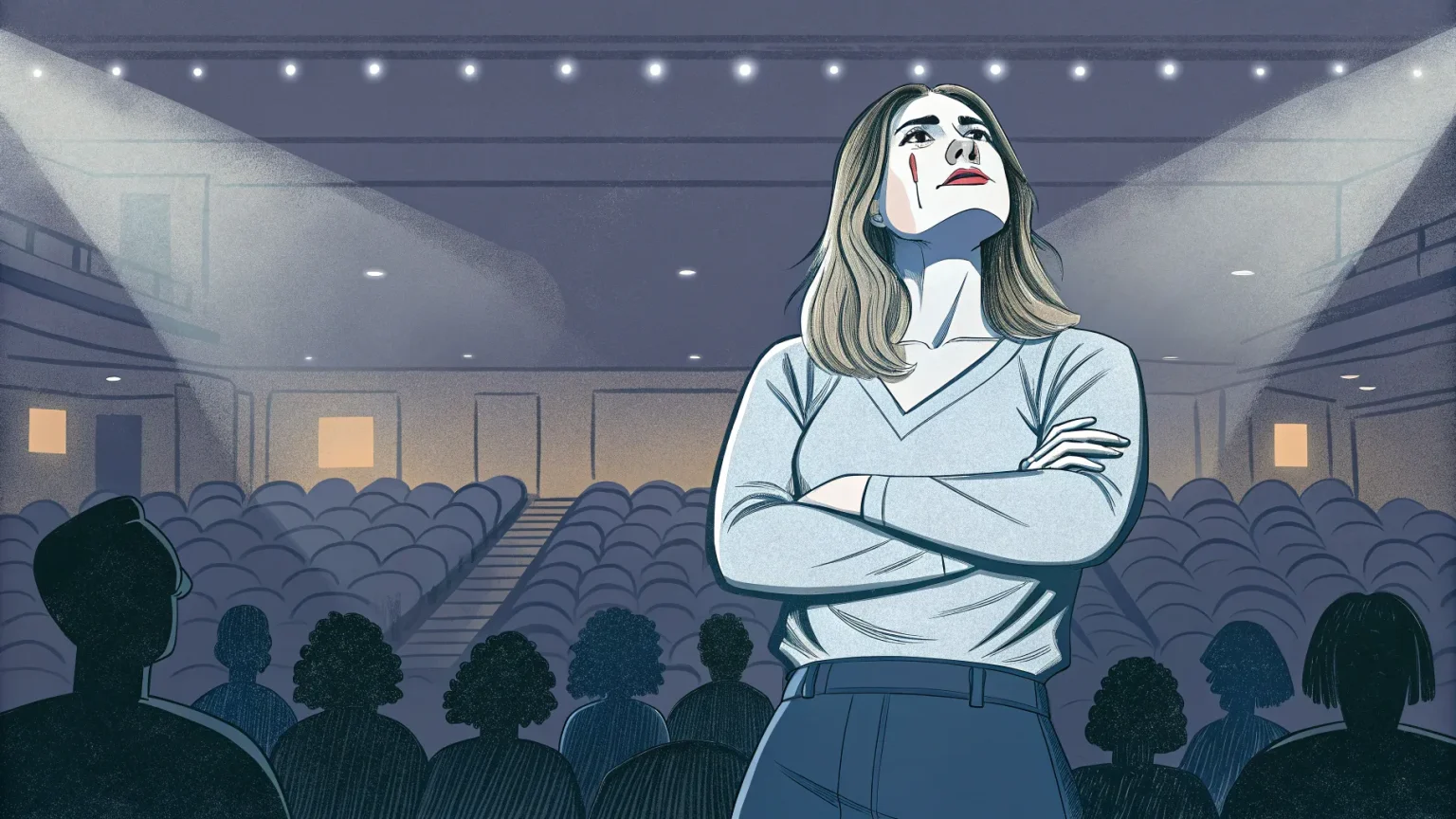
I’ve lost count of how many times I’ve walked off stage with tears in my eyes and heard, “That was so courageous.” I appreciate the sentiment. But there’s a deeper truth we’re missing when we label tears as bravery. When a woman cries on stage, people rarely call her courageous. That double standard exposes how we judge courage. It’s less about what happened and more about what the audience fears.
Courage is not performance. It’s not a tear. It’s not a dramatic moment. Courage is clarity about fear and consistency in action. That’s the argument I’m making. It matters because we keep giving people the wrong map. We praise moments and overlook the daily work that actually changes lives.
Rethinking Courage
We throw around words like “vulnerable” as if they alone carry weight. I’m not against emotion. I speak from a place of love and truth. But I refuse to let a stereotype define courage. When the crowd says I’m brave for crying, it often means they are uncomfortable with emotion. That’s their fear, not my courage.
“Courage is a subjective matter of what other people are afraid of.”
That’s why I push for a shift. I believe we’re all capable of tapping our best ideas and instincts. We are, as I like to say, intellectually intuitive in inspiration in the unified system of thought. When we get honest about fear, we stop blocking our own potential.
“If we can identify what we’re afraid of, we can appear to be courageous, but we’re actually more confident and consistent in pursuing the potential that we have instead of interfering with it.”
Courage is the byproduct of self-awareness. It’s the outcome of naming fear, aligning with purpose, and showing up again and again. Tears might show up along the way. But the bravery is in the discipline, not the display.
From Fear to Consistency
So what does true courage look like day to day? It looks like choosing progress over image. It looks like calm when your mind wants chaos. It looks like saying, “I’m scared,” and then doing the next right thing anyway.
Here’s a simple way to practice it. Use it on stage, in business, or at home. Then watch your confidence grow because your consistency grows.
- Name the fear in a sentence. Keep it plain.
- Trace where it comes from—experience, opinion, or story.
- Pick one small action that moves you forward today.
- Measure only your consistency for 30 days, not the outcome.
This isn’t about being tough. It’s about being honest. When we stop hiding from fear, we stop leaking power. The applause will take care of itself. More important, your self-respect will rise. That’s the thing you take home.
Addressing the Pushback
Some people argue that vulnerability is courage. I get it. Sharing hard truths can be brave. But the act itself is not the point. The courage is in the choice to keep moving with clarity after the share. If the emotional moment becomes the trophy, we miss the lesson. We become reliant on peaks and forget the practice.
And let’s talk about gender. When a man cries on stage and gets praised, while a woman gets judged, that’s not courage. That’s bias. We can do better. Let’s call courage what it is for everyone: knowing fear, choosing action, and staying consistent.
The Standard I Live By
As a coach, entrepreneur, and student of human performance, I’ve seen this truth repeat. The most confident people aren’t loud. They’re steady. They don’t seek moments. They build momentum. Consistency is the quiet edge that looks like courage from the outside.
That’s the shift I’m asking for. Not more labels. More clarity. Not more drama. More discipline. You don’t need someone else’s approval to be brave. You need your own plan and the will to follow it.
My challenge to you: identify one fear today, take one action, and repeat it tomorrow. Do this for a month. Watch how your confidence grows. That’s courage you can count on.
Frequently Asked Questions
Q: How do you define real courage?
Courage is knowing your fear, taking aligned action, and staying consistent. The moment can be emotional, but the bravery is in the discipline that follows.
Q: Is showing emotion on stage a bad thing?
No. Emotion is human. The issue is when we mistake emotional display for courage. What matters most is the steady action that comes after.
Q: How can I start identifying my fears?
Write one sentence that names the fear, note where it comes from, and pick one small step forward today. Repeat daily and track your consistency.
Q: What about the bias you mentioned with women on stage?
We often praise men for displays of emotion and judge women for the same act. Call it out and refocus courage on consistent, values-driven action for everyone.
Q: How do I build confidence without chasing big moments?
Stack small wins. Keep promises to yourself. Measure days of consistent action, not applause. Confidence grows from repetition and alignment.


