

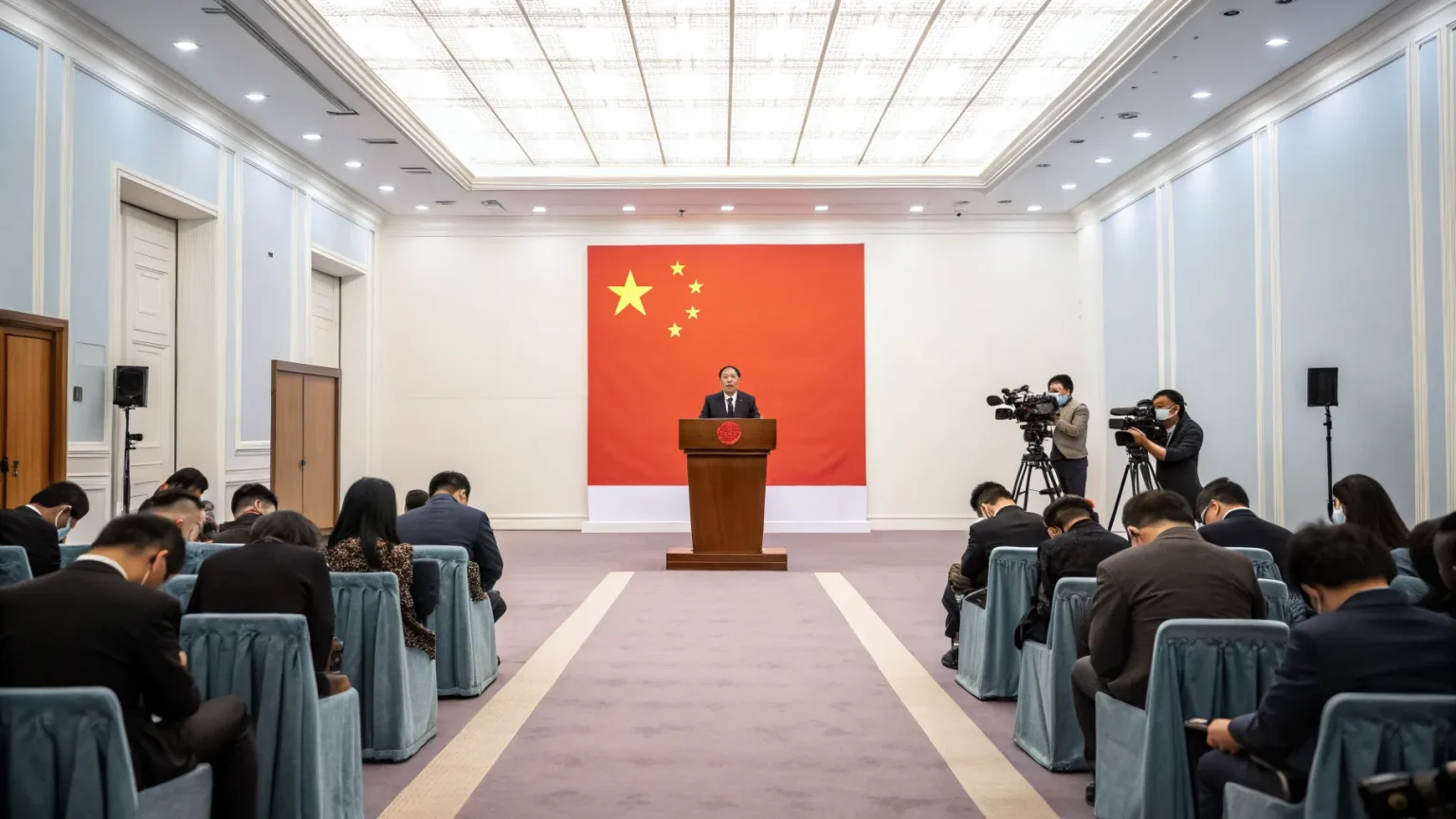
China’s Foreign Ministry pushed back against a new U.S. trade investigation linked to the Trump administration, calling it a “pretext” for tariffs, even as Beijing presses ahead with a five-year economic plan that could aggravate trade partners. The remarks arrive amid renewed scrutiny of industrial policy, supply chains, and market access across major economies.
The dispute centers on whether Washington’s review will lead to fresh duties on Chinese goods, and how Beijing’s planning priorities will affect foreign firms. Both moves could shape trade flows and investment decisions over the next few years.
Background on a Strained Trade Relationship
The United States and China have been locked in a trade fight since 2018, when Washington imposed tariffs on a wide range of Chinese imports after a Section 301 investigation into intellectual property and market-access concerns. China responded with its own duties. By 2019, tariffs covered more than $300 billion in two-way trade, disrupting supply chains and adding costs for businesses and consumers.
Successive talks have eased some pressure but left core issues unresolved, including tech transfer, subsidies, and the role of state-linked firms. Many duties remain in place. Companies that depend on cross-border manufacturing have adjusted with mixed success, shifting production where possible and passing on higher costs when they cannot.
Beijing’s Message and Washington’s Concerns
China’s Foreign Ministry condemned the investigation as a “pretext” for new tariffs.
Chinese officials argue that added duties would violate trade rules and harm global recovery. They say China is opening sectors to foreign investment and strengthening intellectual property protections, citing recent changes to foreign investment law and courts focused on IP cases.
U.S. officials and industry groups have long said China’s policies give local firms an unfair edge. They point to subsidies, limits on market access, and pressure on foreign companies to share technology. Supporters of tougher measures say targeted tariffs and enforcement actions are needed to shift incentives and protect domestic jobs.
The Five-Year Plan That Could Rankle Partners
China’s current five-year plan aims to upgrade manufacturing, expand high-value exports, and lift domestic innovation. It emphasizes self-reliance in advanced technologies and deeper links between research and industry. That direction may unsettle trade partners worried about subsidized competition in sectors such as electronics, batteries, and clean energy equipment.
Foreign firms fear that state support, procurement rules, and standards could favor national champions. European and Asian manufacturers have raised alarms about potential market distortions, while some developing countries welcome Chinese investment but seek safeguards for local industries.
- Industrial upgrading could intensify competition in strategic sectors.
- State support may raise new trade complaints or anti-dumping cases.
- Supply chains may realign as companies respond to policy signals.
Industry Impact and Global Ripples
Tariff moves and industrial policy often show up first in intermediate goods. Auto parts, semiconductors, and machinery components face pricing pressure when duties rise. Consumer electronics and household goods follow as costs work through the system.
Exporters in countries tied to China-centered supply chains could feel spillovers. At the same time, producers in Mexico, Southeast Asia, and India may benefit if buyers diversify sourcing to hedge risk. Freight and logistics firms are likely to see shifts in routing and demand as purchasing managers adjust orders and timelines.
Multiple Viewpoints on the Path Ahead
Trade advocates in the United States argue that tighter screening, tariff tools, and stronger alliances can improve leverage. Others warn that broad duties can raise prices without changing behavior, and prefer narrower, rules-based cases at the World Trade Organization or coordinated checks on subsidies.
Chinese officials maintain that growth and openness can coexist with security goals, and that policy changes will expand domestic consumption, offering new market opportunities. Critics counter that real access requires clear rules, equal treatment, and enforcement that sticks.
What to Watch Next
Key signals in the coming weeks will include the scope of any new U.S. measures, China’s response, and whether both sides leave room for talks. Business groups will track customs classifications, tariff rates, and carve-outs that affect critical inputs. Trade partners may file complaints or seek consultations if they see distortions spilling over into their markets.
The immediate risk is another round of tariffs that raise costs during a fragile recovery. The longer-term test is whether major economies can manage strategic competition while keeping trade predictable.
For now, Beijing’s sharp rhetoric and its steady push on its five-year goals suggest more friction ahead. Companies with exposure to China-linked supply chains should scenario-plan for policy swings, while staying alert for narrow windows of dialogue that could ease pressure.


