

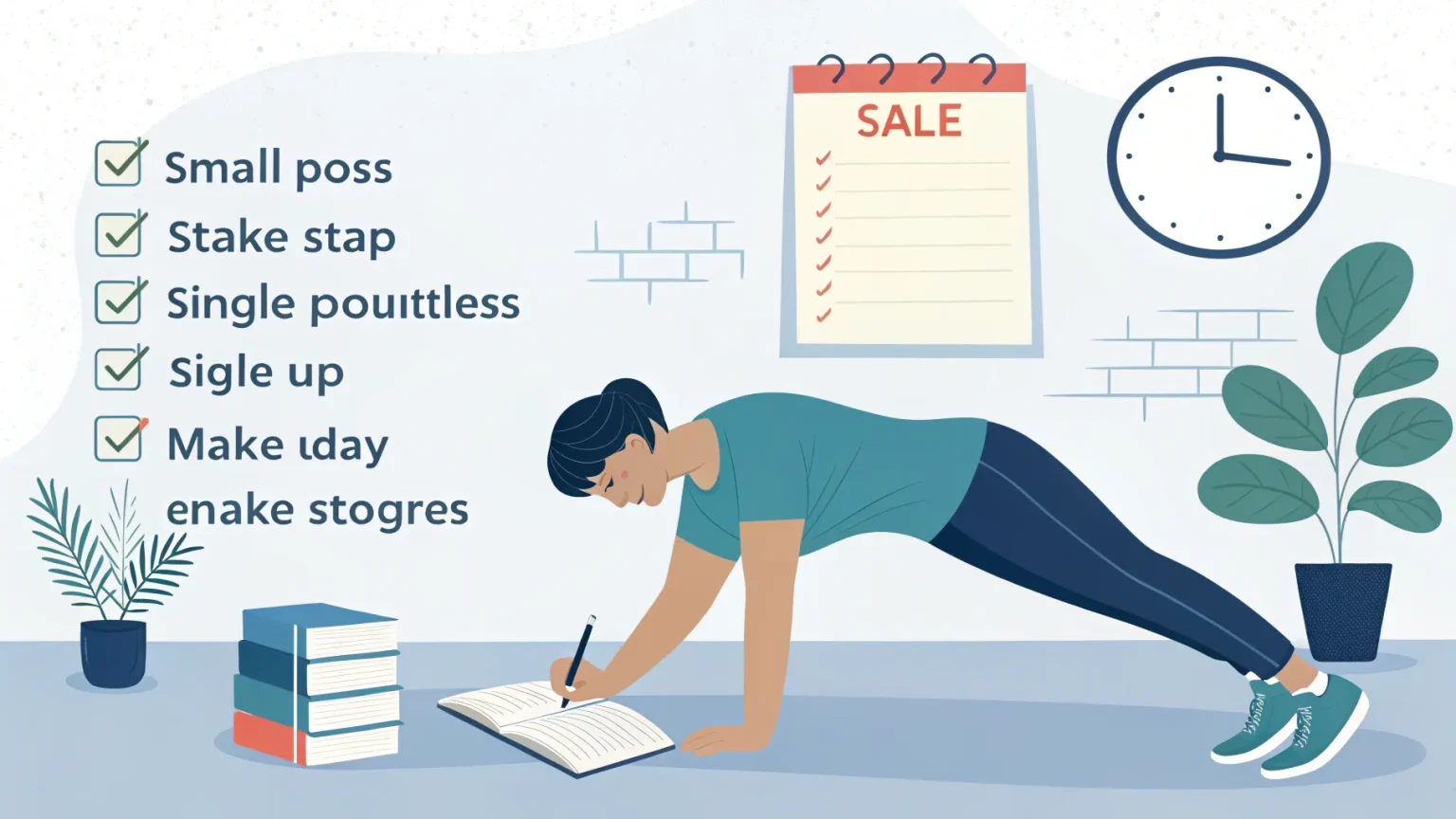
As Chairman of the Napoleon Hill Institute and a coach who has worked with top performers for decades, I’ve learned something simple and powerful: motivation follows action, not the other way around. My opinion is clear. If you want to work out, write, sell, or study, stop waiting to feel ready. Start so small that your brain can’t say no.
I use one rule every day: make the first step too easy to skip. That tiny start builds momentum. Momentum leads to effort. Effort leads to results. This approach has helped athletes, entrepreneurs, and students break through resistance and get moving.
My Core Take: Start Smaller Than You Think
Most people lose the day in the first five minutes. We negotiate with ourselves. We delay. We promise to begin “later.” That is how progress dies. My strategy is to lower the bar so far that you can’t miss it, then let momentum carry you forward.
“You’re not motivated to work out, tell yourself I’m gonna put my running shoes on today, that’s it… Then you’ll put all of them on… you’ll say, I’ll just do ten minutes on elliptical and you’ll probably get a thirty minute hit workout in.”
That’s not a trick. It’s a reliable pattern. Once the shoes are on, the body follows. Once the body moves, the mind catches up. I’ve seen it in locker rooms, boardrooms, and living rooms.
“I have a philosophy. It’s called the first five minutes suck.”
Those first five minutes are sticky, heavy, and noisy with excuses. Push through them with a tiny win, and the rest becomes far easier.
The Micro-Win Method
Here’s how I build momentum on low-motivation days. These steps look laughably small. That’s the point.
- Put the running shoes on. Stop there if needed.
- Lay out gym shorts the day before.
- Drive to the gym and plan to do only ten minutes.
- Pick one machine and one song. Start moving.
- Call it a win even if you stop at ten minutes.
Why it works: action kills friction. Once you start, the brain flips from defense to progress. You stop debating and start doing. The ten-minute plan often becomes a thirty-minute finish because momentum makes the choice easier.
Evidence From Real Life
As CEO in sports and entertainment, I watched elite athletes use the smallest cues to start tough sessions. A taped note on a locker. A playlist that signals “go.” A teammate who says, “one rep.” The science crowd calls it reducing activation energy. I call it making the first move so small you can’t refuse it.
People push back and say, “But discipline matters.” I agree. Discipline matters. Discipline is built with tiny reps. You don’t jump to elite discipline on day one. You stack micro-wins until you trust yourself to show up, even when you don’t feel like it.
Another argument I hear: “If I only do ten minutes, I’m cheating myself.” That is pride talking. Ten honest minutes beats zero perfect minutes. Pride loves perfection. Progress loves starts.
Make It Work For Your Life
This isn’t just for fitness. It applies to sales calls, writing, studying, and family time. When you feel stuck, shrink the first action.
- Write one sentence.
- Make one call.
- Study one page.
- Clean one drawer.
- Have one honest conversation.
Do the tiny thing and stop if you must. Most days, you won’t stop. You’ll keep going because you already beat the hardest part—the start.
The Rule You Can Use Today
Set a two-minute entry point for every goal you care about. If you need more structure, set a “ten-minute minimum” and commit to it, no matter what. No drama. No judgment. Just start.
That’s how champions get consistent. That’s how busy parents regain health. That’s how founders rebuild momentum after a rough quarter. The first five minutes still “suck.” Start anyway. Your future self will thank you.
Final thought: Trade the myth of perfect motivation for the truth of micro-wins. Start small today. Watch momentum do the heavy lifting tomorrow.
Frequently Asked Questions
Q: What if I start and still feel zero motivation?
Keep the entry step tiny and timed. Two minutes is enough to shift gears. If it still feels heavy, count it as a win and return tomorrow.
Q: How do I avoid quitting after the first week?
Attach your micro-win to a daily cue, like coffee or a commute. Consistent cues make the habit automatic, even when your mood swings.
Q: Is ten minutes of exercise actually useful?
Yes. Short sessions improve blood flow, mood, and confidence. Many days you’ll go longer, but the short win keeps your streak alive.
Q: What should I do on a bad day with no time?
Pick the smallest possible step: shoes on, one push-up, one paragraph. Bank the win, protect your identity as a doer, and move on.
Q: Does this work for goals outside fitness?
Absolutely. Apply the same method to calls, writing, studying, or saving money. Reduce the first action until it feels easy to start.


