

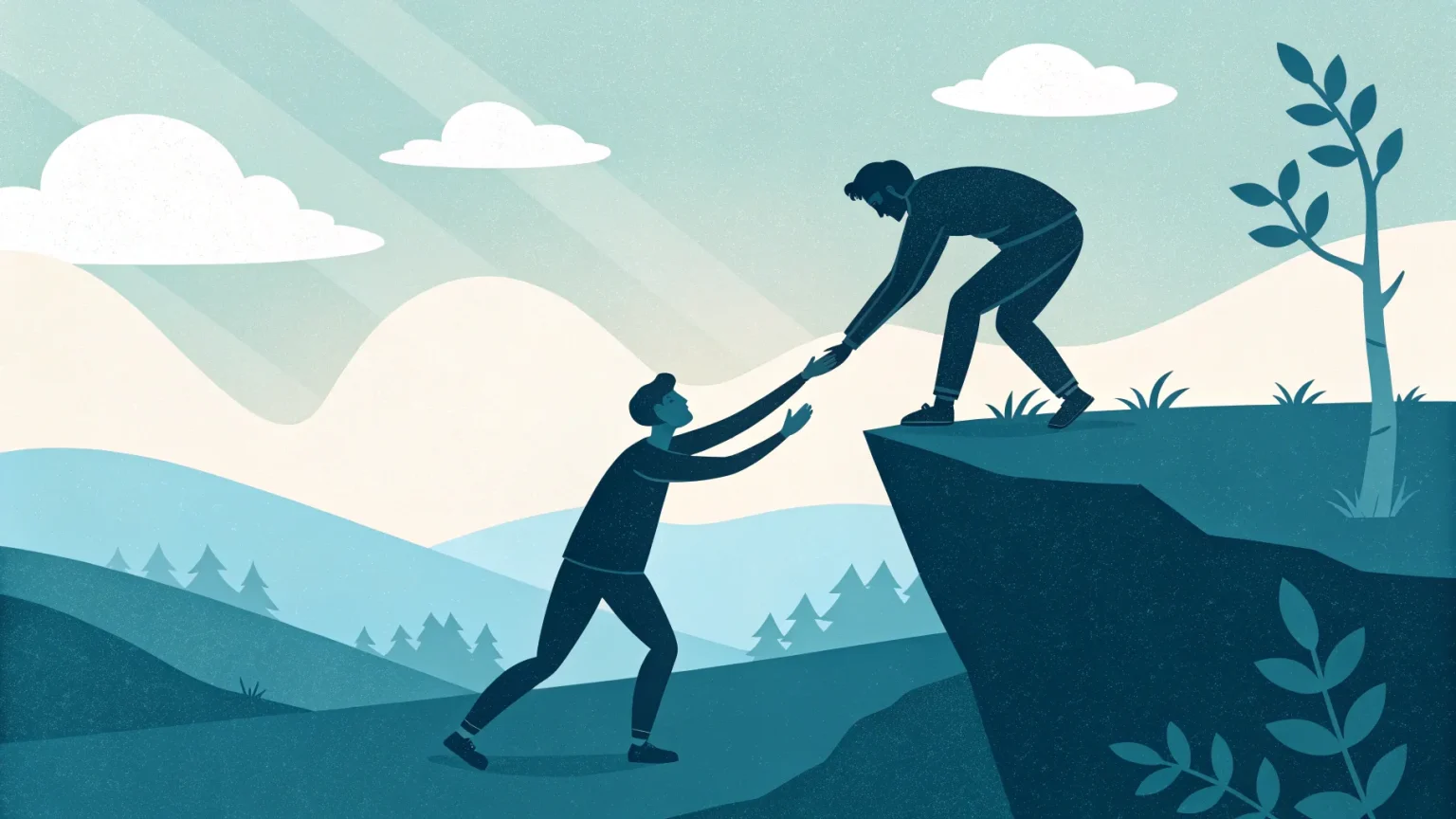
I’ve learned through years of experience that humility isn’t just a virtue—it’s a necessity. The truth is stark and simple: you’re either humble or you’re about to be. Life has a way of teaching this lesson repeatedly until we finally understand it.
Too many people view asking for help as a weakness. I used to be one of them. In the competitive world of sports agency and business, I thought showing any vulnerability would undermine my authority. What I’ve discovered is exactly the opposite.
Asking for help is actually the greatest demonstration of humility we can offer. When we reach out to others, we acknowledge our limitations and open ourselves to growth. This simple act creates connection and builds trust in ways that pretending to have all the answers never could.
The Courage of Vulnerability
Honesty sits at the core of true vulnerability. Being truthful—especially with ourselves—requires us to drop our masks and face reality. This isn’t easy. Our egos fight against it. Our fears tell us to hide our flaws. But I’ve found that honesty is the only path to authentic growth.
When I reflect on my biggest business successes, they all came after moments of brutal honesty. Sometimes this meant admitting I was heading in the wrong direction. Other times it required acknowledging that someone else had better ideas than mine.
Vulnerability is often misunderstood. Many see it as weakness, but I’ve come to recognize it as true courage. It takes tremendous strength to:
- Admit when you don’t know something
- Ask for guidance when you’re struggling
- Share your fears and uncertainties with others
- Accept feedback, even when it’s difficult to hear
Each of these actions requires us to set aside our ego and embrace humility. The most successful people I’ve worked with throughout my career share this quality—they’re willing to be vulnerable in pursuit of growth.

Looking Inward to See Outward
One of the most powerful insights I’ve gained is that we must look within to truly understand what’s happening around us. Our internal landscape shapes how we perceive and interact with the world.
When I’m honest with myself about my motivations, fears, and biases, I can see situations more clearly. This internal honesty creates space for genuine connection with others. It allows me to approach challenges with curiosity rather than defensiveness.
Self-awareness becomes the foundation for all meaningful growth. Without it, we’re simply reacting to life rather than consciously creating it.
The business world often celebrates confidence and certainty. We reward those who speak loudly and decisively. But true leadership emerges from a different place—from the courage to say “I don’t know” and the humility to ask for help.
The Practical Power of Humility
Beyond the personal benefits, humility offers practical advantages in business and life. When we approach situations with genuine openness:
- We learn faster because we’re not pretending to already know
- We build stronger teams by valuing everyone’s contributions
- We make better decisions by considering diverse perspectives
- We recover from setbacks more quickly by acknowledging reality
These advantages compound over time. The humble leader ultimately outperforms the arrogant one because they’re constantly growing, adapting, and building genuine connections.
I’ve seen this play out repeatedly in my work with entrepreneurs and executives. Those who embrace humility create more sustainable success than those who cling to the illusion of having all the answers.
The path to genuine achievement isn’t about projecting perfection—it’s about embracing our humanity. It’s about recognizing that our greatest strength comes from acknowledging our limitations and having the courage to be honest about them.
Remember: you’re either humble or you’re about to be. Choose humility before life chooses it for you.
Frequently Asked Questions
Q: How can I practice humility in a competitive workplace?
Start by actively seeking input from colleagues, especially those with different perspectives. Acknowledge when you don’t know something and be willing to learn from anyone, regardless of their position. Remember that admitting limitations doesn’t diminish your value—it enhances your credibility and builds trust with your team.
Q: Isn’t vulnerability risky in professional settings?
While there are appropriate boundaries for vulnerability in professional contexts, strategic openness builds stronger connections. The key is being authentic without oversharing. Focus on work-relevant challenges, knowledge gaps, or areas where you need support. This kind of vulnerability demonstrates confidence rather than weakness.
Q: How do I balance confidence with humility?
True confidence comes from knowing your strengths while acknowledging your limitations. You can confidently share your expertise while remaining open to learning and growth. The most respected leaders combine clear direction with genuine curiosity and openness to feedback. This balance creates an environment where everyone can contribute their best.
Q: What if asking for help makes me look incompetent to my boss?
Most managers appreciate employees who seek clarification rather than proceeding with uncertainty. Frame your questions thoughtfully—explain what you understand so far and ask specific questions about what remains unclear. This approach shows you’re engaged and committed to quality outcomes, not that you’re incapable.
Q: How can I become more honest with myself?
Self-honesty requires regular reflection without judgment. Try setting aside time daily to consider your actions, decisions, and motivations. Ask yourself what you might be avoiding or denying. Consider seeking feedback from trusted friends or colleagues who will speak truthfully. Remember that recognizing your patterns is the first step toward positive change.


