

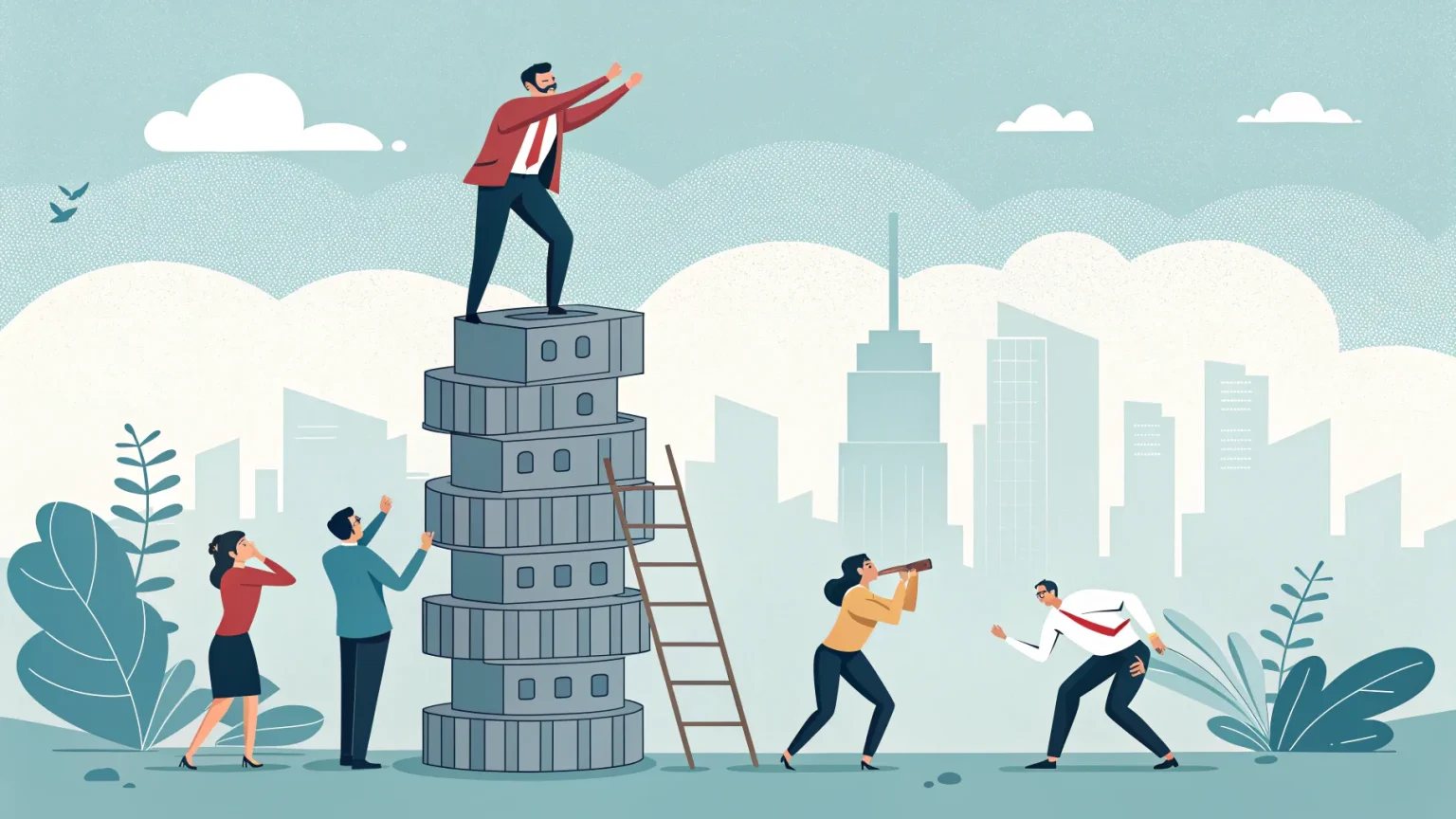
Company culture isn’t an accident. It’s a direct reflection of leadership. After decades of leading turnarounds and counseling CEOs, I’ve learned this the hard way and the right way. My stance is simple: if your culture is toxic, look in the mirror; if it’s healthy, do the same.
This week reinforced that truth. I spent three days at the Ascend Partner Summit with leaders from entrepreneurial accounting firms who are serious about changing our profession while staying independent. What I saw was proof that culture is a choice, and it starts at the top.
The Core Claim: Culture Is a CEO’s Daily Job
Culture is not HR’s problem to solve—it’s the CEO’s job to own. Everything else flows from that. People watch what leaders tolerate, reward, and repeat. They will follow the loudest signals, not the loudest slogans.
“Ultimately, culture starts with the CEO and rolls down throughout the organization.”
That line isn’t theory. It’s reality. I completed my first turnaround at 28. Since then, I’ve led four companies and coached many more. In each case, the tone at the top shaped the behavior in the halls. You can’t hide from it, and you can’t fake it.
What Ascend Got Right
Ascend began as a dream four years ago. Today, it’s a top-25 accounting firm that values people and puts independence first. That didn’t happen by chance. It happened because leaders chose it, protected it, and modeled it. Great leaders gather around great CEOs. I saw that up close with David Wurzbacher.
“Great leaders are attracted to great CEOs like David Wurzbacher. I’m so grateful for David.”
Gratitude isn’t soft. It’s strategy. When leaders set a tone of respect and high standards, they attract talent that refuses to settle. That’s how change happens—by leaders who live the values when no one is watching.
Evidence From the Field
Here’s what I’ve seen across companies I’ve led and advised:
- Bad culture always traces back to leadership drift. Not calling out harmful behavior is the first step toward decline.
- Clear values drive hard decisions. When leaders trade values for convenience, people notice—and disengage.
- Healthy cultures scale because they’re teachable. New leaders learn by example, not by posters.
- Gratitude fuels performance. People who feel seen perform better and stay longer.
This isn’t a pep talk. It’s operational. Culture affects hiring quality, client experience, growth, and the speed of execution. If you want different outcomes, change leadership behavior first.
Answering the Pushback
Some leaders say, “But we’re growing fast—culture will catch up.” It won’t. Growth amplifies what already exists. If you scale confusion, you get chaos. If you scale clarity, you get momentum. Others argue that culture belongs to HR. It doesn’t. HR can support, but only the CEO can set and protect the standard.
What CEOs Can Do This Quarter
Shift the daily habits, and you shift the culture. Start here:
- Write down three behaviors you will no longer tolerate, and say them out loud to your team.
- Recognize two people each week for living your values—be specific.
- Meet monthly with a cross-section of staff and ask one question: “What are we rewarding that we shouldn’t be?”
- Review one key process and align it with your stated values—hiring, onboarding, or feedback.
- Model the hardest behavior yourself for 30 days. Consistency beats slogans.
These steps aren’t complex, but they are uncomfortable. That’s the point. Culture changes when leaders choose discomfort over drift.
Gratitude As Leadership Fuel
At the summit, I felt grateful for the leaders who are pushing our profession forward and staying true to independence. And yes, I’m grateful for David Wurzbacher, who shows how steady leadership attracts the right people and sets the right tone.
“Who are you grateful for?”
That question reveals your values. It also exposes what you’re building. If your answers are the people who tell the truth, carry the load, and raise the bar, you’re on the right track.
The Call
Own the culture you’ve built—or change it now. Don’t outsource it. Don’t excuse it. Decide what you will model, what you will reward, and what you will stop today. If leaders can change, companies can change.
As CEOs, let’s set the tone that attracts leaders worth following. Start with gratitude. Back it with action. Then watch your culture tell the truth about you.


