

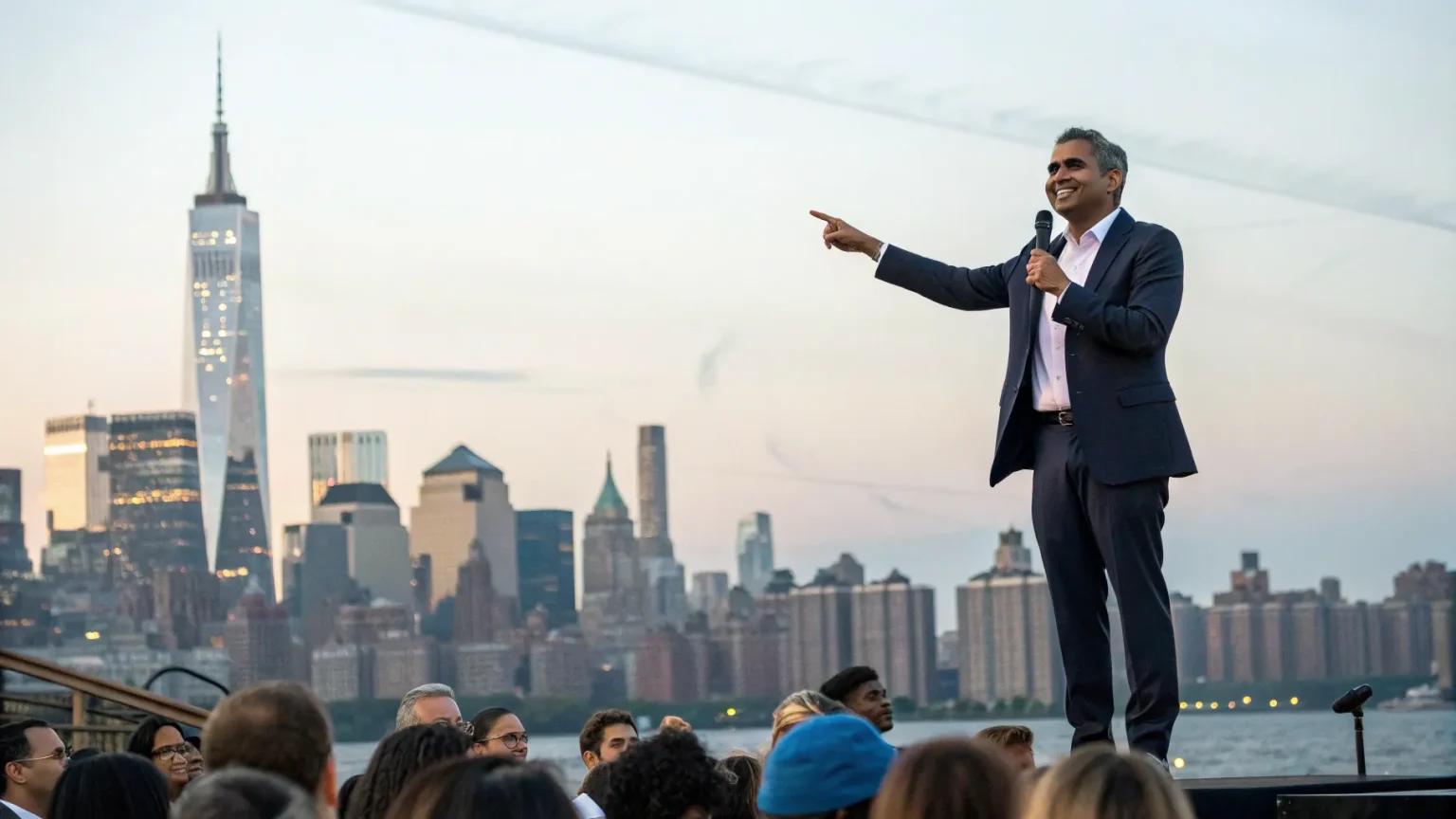
New York City’s next mayor, Zohran Mamdani, used his first major public address since the election to preview how he plans to lead and what challenges lie ahead. Speaking live, he signaled early priorities while offering a look at the direction of his incoming administration.
The address, described in advance as a highly anticipated announcement, comes as the nation’s largest city manages rising costs, strained services, and shifting expectations for City Hall. The moment set the tone for a transition that will shape budget choices, agency leadership, and the first 100 days.
“New York City’s political future takes center stage as Mayor-elect Zohran Mamdani makes a highly anticipated announcement in his first major public address since winning the election.”
Why This Address Matters Now
Early messages from a mayor-elect often guide hiring, legislative plans, and how city agencies prepare for January. New Yorkers are watching for clarity on housing, public safety, transit reliability, and climate resilience. The city faces pressure to deliver services while keeping taxes stable and maintaining strong bond ratings.
Recent years have tested the city’s capacity. Housing demand has outpaced supply, pushing rents to record highs in several neighborhoods. The subway and bus systems are recovering ridership but still need stable funding. Storm-driven flooding exposed gaps in infrastructure. At the same time, the city continues to help asylum seekers and longtime residents who rely on shelters and social services.
“Speaking live, Mamdani is expected to outline early priorities, signal the direction of his administration, and address the challenges facing America’s largest city.”
Signals On Priorities
While the speech preview did not list specific bills or programs, it set clear expectations: early priorities, administrative direction, and plans to confront citywide challenges. Political observers say the first weeks of any transition are a test of organization and clarity. Commitments made now often become the scorecard for the first budget.
Policy analysts expect several areas to draw immediate attention:
- Affordability: Rents, homelessness, and cost of living pressures on families and small businesses.
- Transit and Streets: Reliability, safety, and fair service across the five boroughs.
- Public Safety: Community trust, enforcement strategies, and support for youth services.
- Climate Readiness: Flood protection, heat mitigation, and resilient infrastructure.
- City Services: Hiring, technology upgrades, and cutting red tape for basic permits.
Each area has trade-offs. Affordability efforts can collide with zoning limits and construction timelines. Transit needs stable revenue and tighter project delivery. Safety goals depend on data, training, and partnerships with community groups. Climate work requires capital dollars and coordination with state and federal agencies.
What Stakeholders Want To Hear
Labor unions want clarity on hiring in schools, sanitation, and health services. Nonprofits are looking for timely payments and multi-year contracts to avoid service gaps. Small businesses seek predictable rules and fewer delays on inspections and licensing.
Housing advocates urge faster approvals for new homes and protections for tenants. Commuter groups point to signal upgrades and bus lanes that cut travel times. Budget watchers expect details on savings, revenue forecasts, and how new spending will be paid for.
Measuring Success In The First 100 Days
The first months often set the momentum for a new administration. Voters tend to judge effectiveness by clear, measurable steps. City Hall can show progress by issuing executive orders, naming agency leaders, and publishing a public dashboard.
Analysts say early moves that build trust include transparent timelines, frequent briefings, and quick fixes to lingering service issues. A realistic plan for housing approvals, targeted street safety projects, and clear storm-readiness measures would show action while longer-term work continues.
The Road Ahead
New York’s scale makes even small changes visible. A pilot bus lane that speeds trips for thousands can influence daily life. A new shelter siting plan can affect entire neighborhoods. Stable management of big-ticket items—like school budgets and infrastructure—can lower risks for years.
The mayor-elect’s early framing sets expectations for how he will govern and how he will be judged. Clear priorities and steady execution can keep the focus on outcomes rather than headlines.
As Mamdani steps from campaign to governing, the key question is delivery. New Yorkers will look for straightforward goals, public scorecards, and regular updates. The administration’s first detailed plan, expected after this address, will show how promises translate into budgets, hiring, and timelines. Watch for naming of top deputies, the structure of the transition team, and the release of a 100-day agenda to gauge what comes next.


