

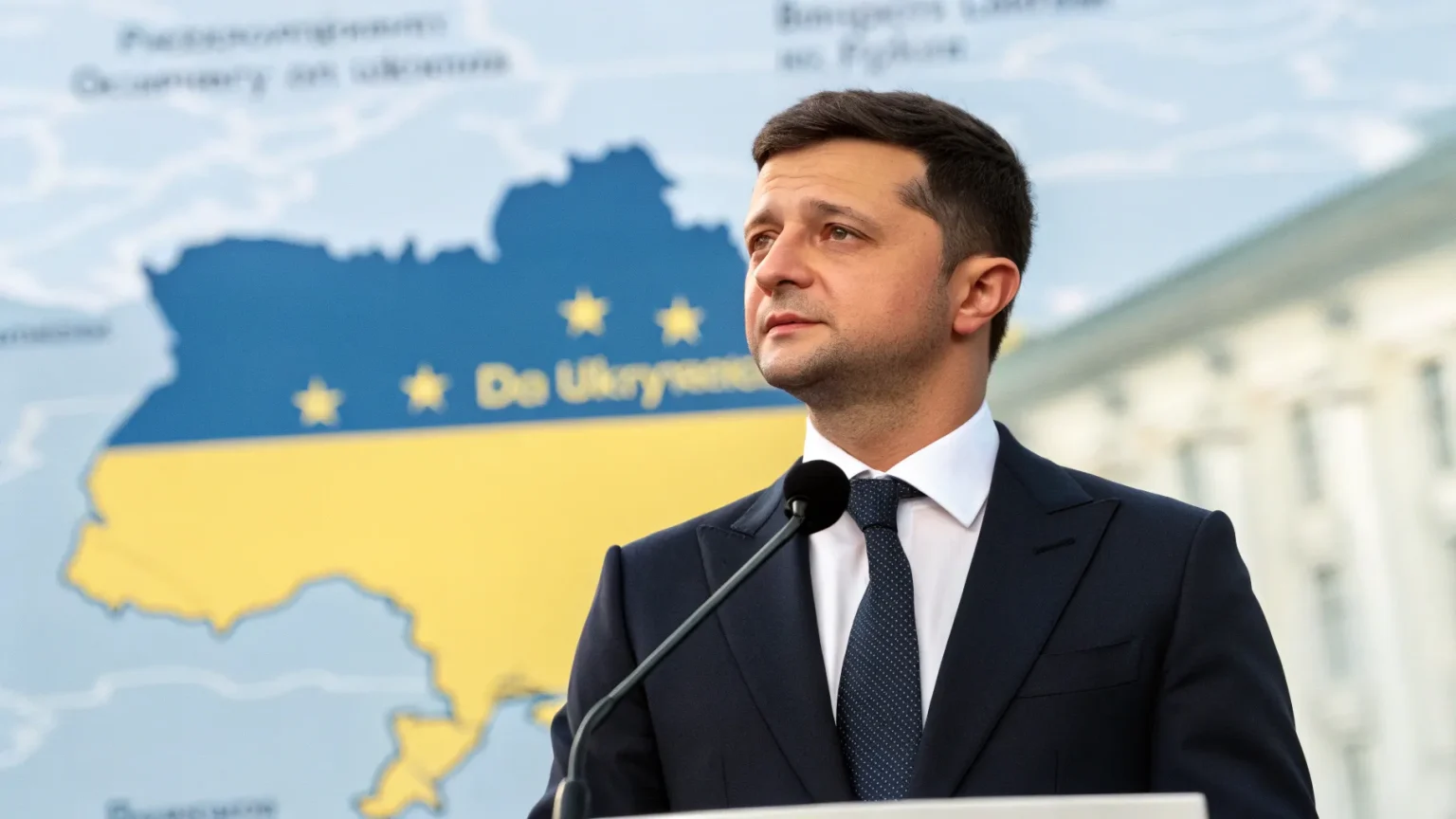
Ukrainian President Volodymyr Zelenskyy on Monday called for long-term security guarantees stretching up to 50 years, a bid to lock in support as the war grinds on. The request signals Kyiv’s push for durable commitments from Western partners while full NATO membership remains out of reach. It also raises fresh questions for allies weighing cost, capacity, and domestic politics.
“He had asked for security guarantees for up to 50 years for Ukraine.”
Why Long-Term Guarantees Now
Ukraine has relied on foreign military and financial aid since Russia’s full-scale invasion in 2022. NATO members have pledged sustained assistance, yet have stopped short of offering a formal defense treaty. Kyiv argues short funding cycles create gaps that Moscow can exploit.
Past assurances fell short. The 1994 Budapest Memorandum offered security assurances, not enforceable guarantees, when Ukraine gave up its nuclear arsenal. Russia’s actions in 2014 and 2022 shattered trust in that framework.
In 2023, the G7 announced a Joint Declaration of Support to frame long-term aid and deterrence. Since then, Ukraine has signed a series of bilateral security agreements with European partners and others. The European Union has approved multi-year financial support, and the United States approved a large aid package in 2024 after months of debate.
What Such Guarantees Could Cover
Kyiv’s push for a decades-long horizon suggests a plan to harden defenses and rebuild its forces for the long term. Officials and analysts point to practical elements that could make guarantees meaningful.
- Stable, multi-year funding for air defense, artillery, and ammunition.
- Training pipelines and joint exercises with allied militaries.
- Defense industrial co-production to expand ammunition and drone output.
- Intelligence sharing and cyber defense cooperation.
- Sanctions enforcement and export controls to limit Russia’s access to technology.
Guarantees could also include expedited equipment repair and replacement, and insurance or financing tools to support private investment in Ukraine’s industry.
Allies Weigh Cost and Risk
Supporters in Europe argue that long-term commitments deter future attacks and reduce the chance of a wider war. They say predictable aid is cheaper than crisis management after major escalations. Skeptics warn that multi-decade deals could strain budgets and tie future governments to policies voters did not set.
Washington faces election-year scrutiny of foreign aid. Some lawmakers back stronger guarantees as a bridge to eventual NATO membership. Others push tighter oversight, pointing to competing priorities in the Indo-Pacific and at home. European capitals are increasing defense spending, but industrial capacity remains behind demand.
Moscow rejects Western security ties with Kyiv and frames NATO support as a threat. Analysts caution that the format of guarantees—especially any automatic military response clauses—will shape how the Kremlin reacts.
Membership Question Lingers
NATO leaders have affirmed that Ukraine’s future is in the alliance, without setting a firm date. Until then, Kyiv seeks measures that mimic the protection of membership without triggering a broader conflict. That balance is delicate. Too little, and deterrence falters; too much, and escalation risks rise.
Bilateral pacts signed since 2023 vary in length and detail. Many run several years and are renewable. A 50-year horizon would be unusual in modern security policy, but not impossible if structured with regular reviews and opt-outs.
Economic and Social Pressures
Ukraine’s economy has adapted under wartime strain. Reconstruction needs are vast and will span decades. Long-term guarantees could reassure investors and speed rebuilding by reducing risk premiums.
Societal pressures also weigh on Kyiv’s choices. Mobilization, displacement, and infrastructure damage have reshaped daily life. Durable security could help stabilize schools, healthcare, and local services, slowing emigration and supporting recovery.
What Comes Next
Diplomats expect further bilateral deals in the coming months, guided by the G7 declaration. Negotiators will debate scope, triggers, and oversight. NATO’s next meetings will test whether allies can align multi-year plans with shifting political calendars.
For Kyiv, the ask is clear: sustained support measured in decades, not months. For partners, the question is how to deliver deterrence and predictability without overcommitting. The shape of these guarantees will signal Europe’s security model for years to come.
Zelenskyy’s request sets a high bar and a long clock. If allies meet it, Ukraine could secure a stable framework to rebuild and defend. If they hesitate, stop-start aid may continue to define the war and its aftermath. Watch for the terms embedded in upcoming agreements: funding timelines, defense production, and the clarity of response in case of future attacks.


