

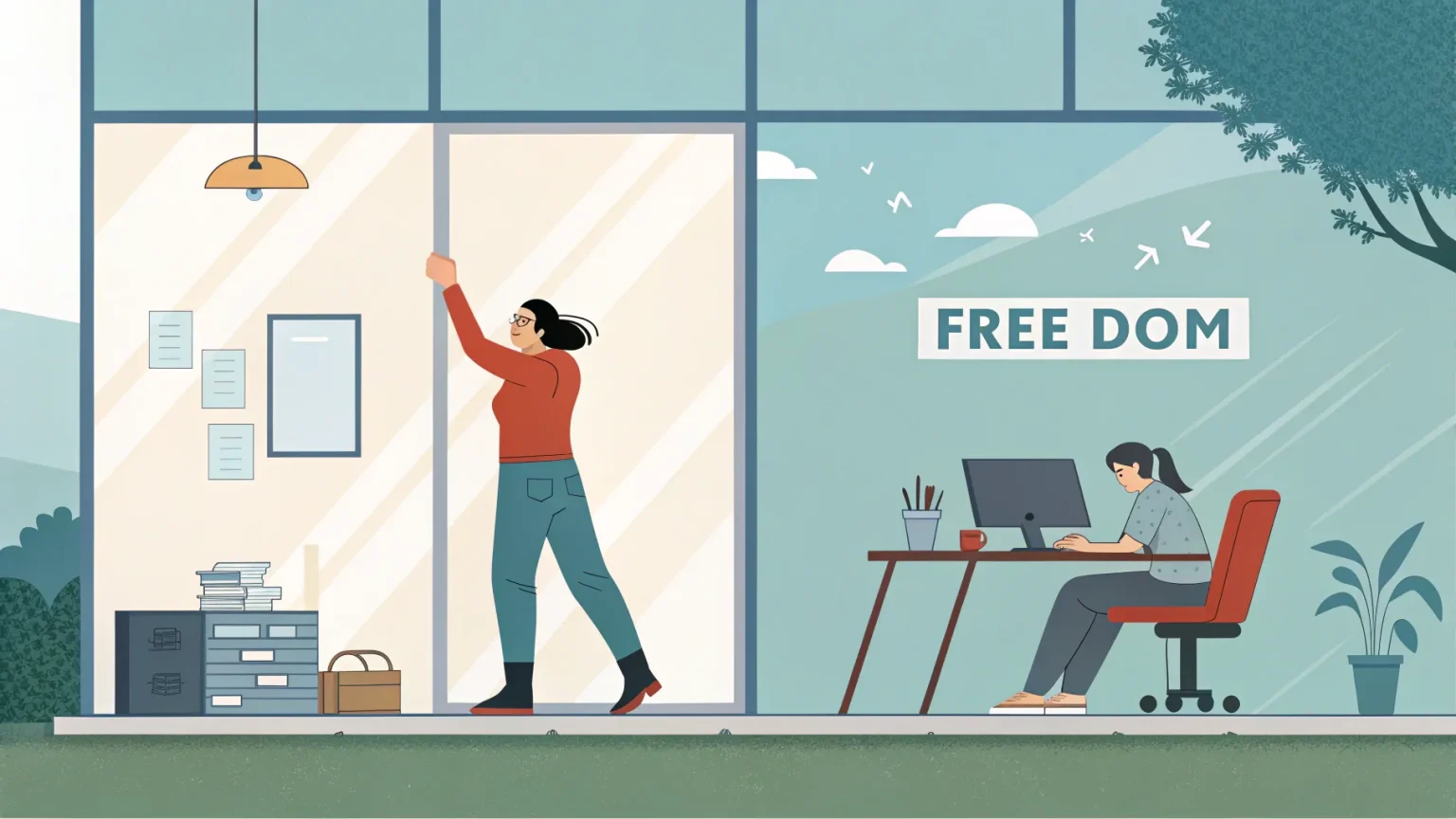
Work can feel like medicine. It gives quick wins, clear feedback, and a sense of control. That rush is real. But there’s a dark side to it.
My stance is simple: using work as an escape will stunt your life and your business. It looks noble from the outside, but it creates hidden damage. I’ve been there. I built wealth fast and poured myself into the grind. It worked. Until it didn’t.
There’s a moment from Breaking Bad that sums this up. Walter White admits something that most high achievers won’t say out loud.
“I did it cuz I liked it. It felt good.”
That line hits because many of us don’t chase work only for money. We chase the feeling. The praise. The progress. The relief from worry. The sense that we matter.
The Lie That Looks Like Love
Work gives love back. It lets us help employees and serve customers. It makes us feel useful. I’ve grown companies by leaning into that energy. The feedback loop is addicting. I’ve said the same words many of you have said to yourselves.
“Work is a good escape.”
Sometimes that’s fine. It helps us be present and get something done. But if it becomes our default, it morphs into a trap. Workaholism looks heroic while it burns out the hero. Families feel it. Teams feel it. Health pays the price.
Early on, we’re willing to do anything for the business. That grit builds momentum. But carried forward too long, it stops growth. The founder becomes the bottleneck. Decisions wait. People defer. Creativity shrinks. The business stops compounding because the leader is trying to do it all.

The Cost of Being the Bottleneck
Here’s the cold truth. If everything runs through you, you’re not leading a company. You’re managing a to-do list. That’s not strategy. That’s stress.
I’ve coached elite producers who operate at a high level. Their revenue is strong. Their calendars are chaos. They confuse sacrifice with leadership. They think being needed is the goal. It’s not. Being needed is the dream of your ego, not the duty of your role.
Dependency is not love. It’s control dressed up as care. If your team can’t move without you, you’ve trained them to wait. That’s on you. I’ve had to own that myself.
What To Do Instead
If work has become your go-to escape, you can reset. The fix is simple to say and hard to practice.
- Delegate outcomes, not tasks. Let people own results.
- Set real boundaries. Put start and stop times on the day.
- Schedule recovery like meetings. Sleep, play, and movement are non-negotiable.
- Build systems that survive your absence. Test them by stepping away.
- Measure value by progress without you, not praise for you.
These shifts slow the addiction to the hit of being indispensable. They build trust. They build capacity. They build a business that lasts.
But Work Feels Good—So What?
Yes, work feels good. So does sugar. That doesn’t mean it should be every meal. You can love your business and still refuse to hide in it. Presence beats hustle. The people you care about need you, not your calendar.
Some will argue that the grind is the price of success. I disagree. The grind can help you start, but it will sabotage the middle and kill the end. The goal is freedom. That means building a business that serves your life, not the other way around.
The Real Win
I became a multimillionaire at twenty-six. That didn’t make me wise. What made me wiser was learning to stop working for the hit. Work is not the only place to feel alive. Love, rest, creation, and laughter are not rewards after work. They are part of the work of a good life.
Stop chasing the high of being needed. Build leaders. Build systems. Build a rhythm that gives you back your time and your joy.
Here’s the challenge: pick one area you control too tightly and release it this week. Train, trust, and step back. See what grows without your shadow over it.
The point isn’t to quit working. The point is to stop hiding in it. That’s where real wealth starts.


