

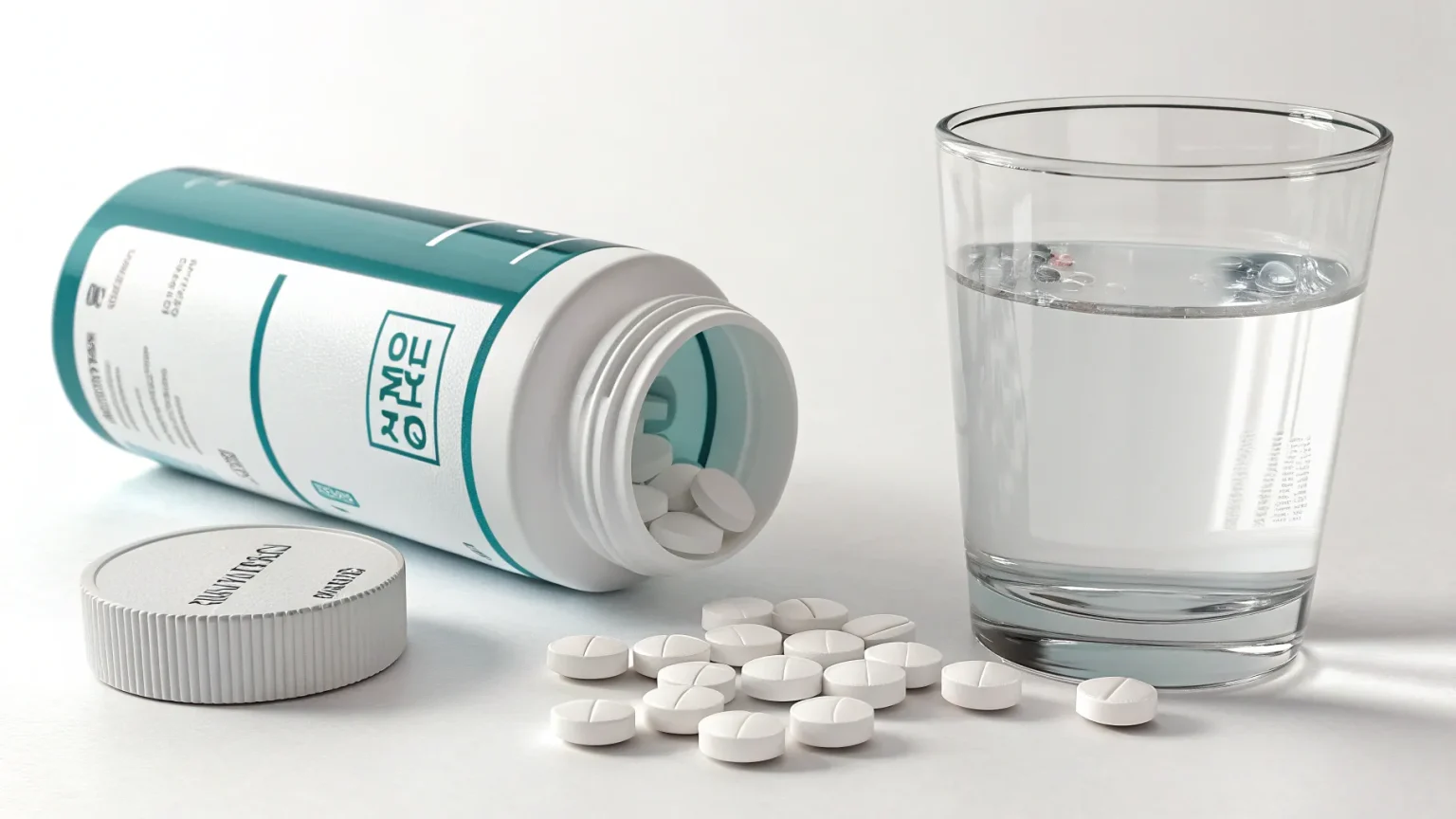
A new pill version of Wegovy has been cleared for weight loss, marking the first time a leading injection in this class has an approved tablet. The move signals a shift in obesity care as regulators back an oral option for adults who have struggled with injections. It arrives amid high demand for new weight-loss drugs and questions about cost, access, and long-term use.
“It marks a first in this new era of weight-loss medications with Wegovy being the only so far to gain approval for a pill version of their shot.”
The decision affects millions of Americans. More than 4 in 10 U.S. adults live with obesity, according to federal data. Many have sought weekly injections such as semaglutide and tirzepatide. An approved pill could expand use and change how doctors manage chronic weight conditions.
How We Got Here
Wegovy is a brand of semaglutide, a GLP-1 drug first used to treat type 2 diabetes and later authorized for weight management as a once-weekly injection. These medicines reduce appetite and help control blood sugar. They have reshaped obesity treatment over the past few years.
An oral form of semaglutide has existed for diabetes. Weight-loss patients, however, have had to rely on injections. The new approval creates a single brand offering both shot and pill for obesity. That change is significant for patients who avoid needles or need a simpler daily routine.
What A Pill Could Change
Doctors say a daily tablet may help some patients stick with treatment. Adherence is a major driver of outcomes with GLP-1 drugs. Injections can be a barrier for people with needle anxiety or complex schedules.
Primary care clinics report growing demand for weight-loss care but also spotty follow-up. A pill may fit better into existing medication habits. Still, it will require daily consistency. Missing doses can reduce effect.
- Convenience: A tablet could appeal to patients who avoid injections.
- Adherence: Daily dosing may aid some, but others prefer weekly shots.
- Access: Pharmacies may fill pills faster than specialty sites used for injections.
Cost, Coverage, and Supply
Price and insurance coverage remain the biggest hurdles. Many health plans limit weight-loss drug benefits or require strict criteria. Employers are split on covering GLP-1 drugs due to rising pharmacy costs. A new pill does not change those pressures by itself.
Supply has been tight for injectable GLP-1 drugs. A pill could ease some bottlenecks if manufacturing scales quickly. But demand is high, and shortages may persist. Pharmacists will watch for substitution issues when patients move between forms.
Patient advocates are urging clear coverage policies. They want consistent access for people at high medical risk due to obesity. Insurers are weighing the clinical gains against long-term costs of chronic therapy.
Safety and Side Effects
GLP-1 drugs often cause nausea, vomiting, and diarrhea, especially at the start. Doctors step up dosing to help patients adjust. A pill may pose different tolerability issues, including how it is absorbed and when it should be taken.
Clinicians advise careful counseling. Patients should know how to take the medication, what to expect in the first weeks, and when to call for help. Monitoring remains important, particularly for people with other conditions or on multiple drugs.
Industry Impact and Next Steps
The approval puts pressure on rivals that offer injections only. Drugmakers are testing new oral GLP-1 agents and combinations that target appetite and metabolism. If more pills reach the market, competition could influence pricing and coverage rules.
Physicians expect broader use in primary care, weight clinics, and telehealth. Training on nutrition, exercise, and mental health supports will still matter. Weight drugs work best as part of a long-term plan that includes diet and activity changes.
For now, the new Wegovy pill gives doctors and patients another path. It may help some start therapy sooner and stay on it longer. The key questions are affordability, supply, and real-world results over years, not months. As insurers update policies and manufacturers scale production, patients will watch for stable access, clear dosing guidance, and continued safety data. The early signal is simple: more choice in how people receive care for a common and serious condition.


