

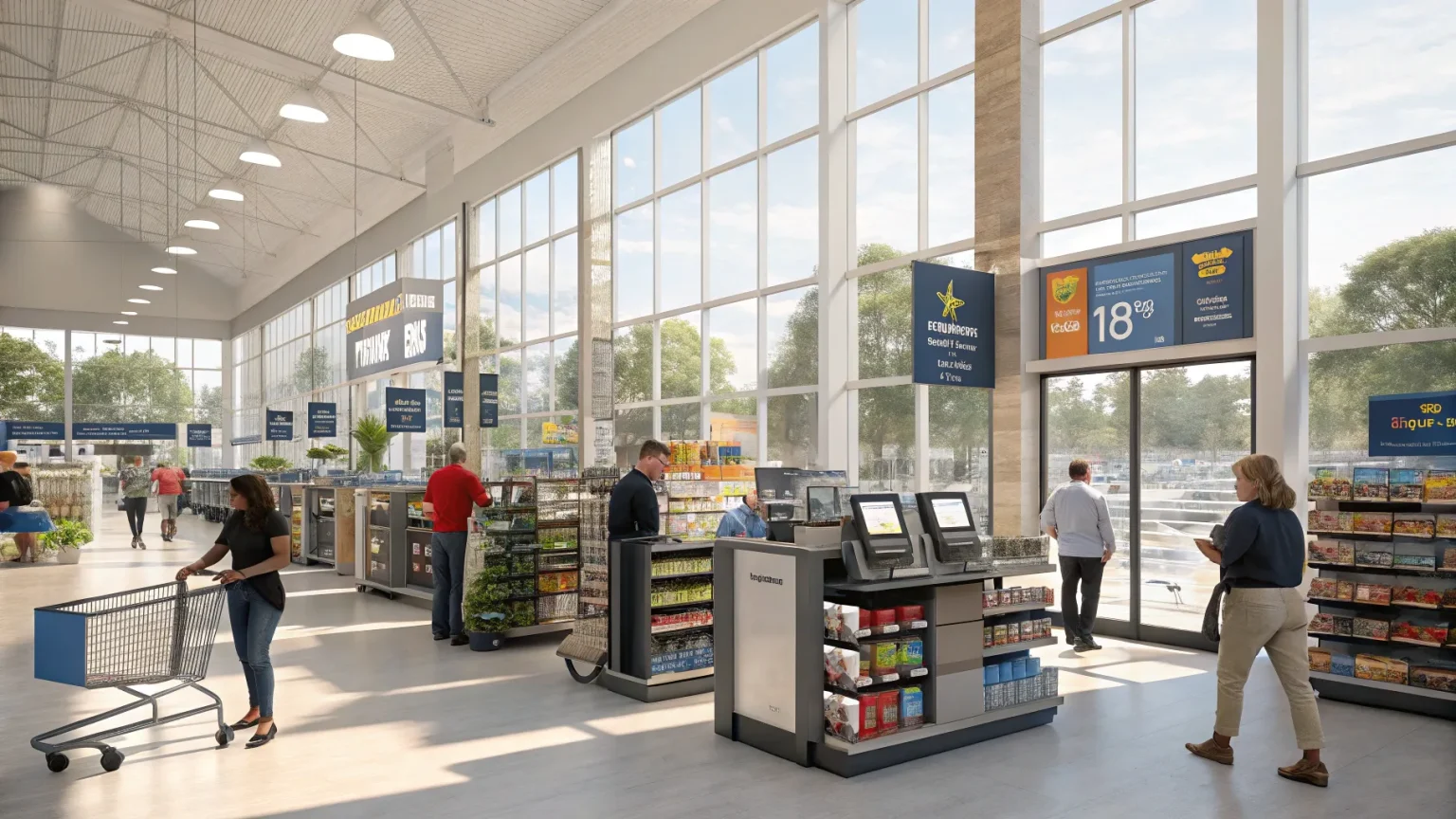
Walmart reached a $1 trillion market value after leaning into technology and sharpening its promise on price, a rare feat for a brick-and-mortar giant. The move capped years of investment in e-commerce, automation, and data-driven operations, while keeping pressure on grocery and general merchandise prices as inflation squeezed shoppers.
The milestone arrived as the retailer expanded digital services nationwide and used its scale to ease price spikes in food and household goods. The approach helped drive steady gains in traffic and market share across key categories.
“Walmart’s journey to a $1 trillion market cap came after embracing technology and providing its customers with greater relief from inflation.”
How Technology Shifted the Playbook
Walmart has spent recent years rebuilding its supply chain and stores with automation and software. It rolled out high-speed fulfillment centers, expanded curbside pickup, and scaled last-mile delivery from stores. It also adopted AI tools to forecast demand and improve inventory placement.
Partnerships with robotics firms sped up distribution. Store teams gained handheld devices and apps to manage tasks and restocking. These changes trimmed costs and improved on-shelf availability, two key levers for low prices.
Digital commerce grew as Walmart merged shopping across app, website, and stores. Its marketplace added more third-party sellers. Advertising through Walmart Connect expanded, giving brands new ways to reach shoppers and adding a higher-margin revenue stream.
Price, Inflation, and the Grocery Edge
The company’s pricing strategy remained simple: win on everyday value. As food inflation hit families, Walmart leaned on private labels such as Great Value and Equate. It pushed price “rollbacks” and large pack sizes to stretch budgets.
Grocery sales were a buffer while discretionary categories lagged. Low-price leadership helped Walmart gain share among middle-income households trading down. Stronger traffic fed its e-commerce operations, since online orders often include weekly staples.
Shoppers surveyed by retail analysts cited Walmart’s consistent pricing and availability during supply chain shocks. That steadiness strengthened customer loyalty at a tough moment for budgets.
Competition and Risks Ahead
Walmart’s digital push sharpened its rivalry with Amazon. Faster store-based fulfillment narrowed delivery times and cut shipping costs. Walmart+ added fuel with free delivery, gas discounts, and perks for frequent shoppers.
Still, challenges remain. E-commerce margins are thin. Labor and fuel costs can swing. Price competition in groceries is intense, especially from dollar stores, warehouse clubs, and hard-discounters.
Regulators also watch large retailers’ relationships with suppliers. Any shift in fees, data use, or marketplace policies can draw scrutiny. Walmart must balance scale advantages with fair-dealing standards.
Why Investors Took Notice
Several trends lifted confidence among investors:
- Automation and data tools lowered operating costs.
- Marketplace and advertising expanded higher-margin revenue.
- Grocery and essentials kept traffic steady through inflation.
- Omnichannel services increased customer retention and basket size.
The result was steadier earnings and cash flow, even as consumer spending mixed. Analysts also pointed to Walmart’s global store base, which supports click-and-collect and same-day delivery at scale.
What This Means for Retail
Walmart’s rise shows store networks can power e-commerce when paired with technology. The company turned thousands of locations into mini-fulfillment hubs. That strategy cut delivery distances and sped up returns, two major pain points for online retail.
Its advertising and data services gained traction as brands sought alternatives to social and search platforms. If that growth continues, retailers with first-party shopper data could take a larger share of ad budgets.
For consumers, more competition on price and speed is likely. Rivals will keep adding pickup, delivery, and membership perks. Suppliers may face tougher negotiations as the largest players scale private brands and data-informed assortments.
Walmart’s $1 trillion moment crowns a long shift from pure big-box retailer to tech-driven operator. The company proved that disciplined price investment can coexist with digital growth. The next test will be keeping margins healthy as it scales marketplace, advertising, and automated fulfillment. Watch for continued gains in private labels, more regionalized inventory, and faster delivery windows. The retailer’s ability to hold prices low while funding tech upgrades will decide whether this valuation sticks.


