

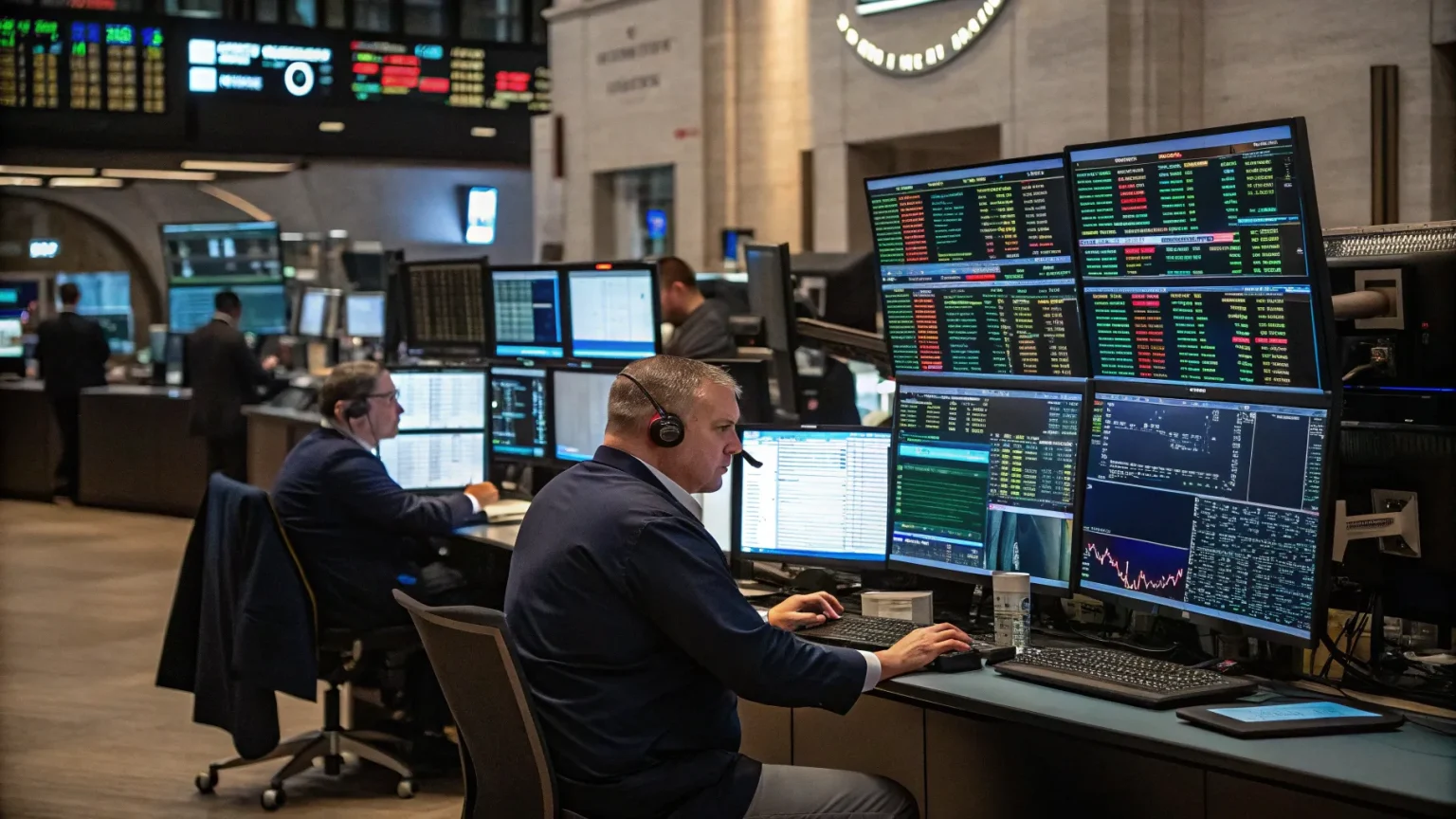
Stocks posting the largest changes around midday drew close attention from traders and long-term investors on Monday, signaling shifting sentiment during a crucial part of the session.
The moves came as market participants weighed earnings updates, sector headlines, and fresh economic signals in New York.
Large intraday swings around noon often reflect a mix of news, positioning, and liquidity.
They can foreshadow how the closing session may unfold.
These are the stocks posting the largest moves midday.
While names and sectors can change day to day, the reasons often repeat.
Earnings surprises, updated guidance, and analyst calls commonly push shares sharply higher or lower.
Economic reports released in the morning and policy remarks later in the day can add fuel.
What Drives Midday Surges
Earnings reports are a key engine of midday action.
Companies that beat expectations often see sharp buying, while misses can trigger quick selling.
Guidance for the next quarter can matter more than the recent results, especially for firms with high growth expectations.
Analyst upgrades and downgrades also move stocks midday.
Fresh price targets and rating changes can reset valuations and trading ranges, even hours after the opening bell.
Sector news and regulatory updates can move entire groups at once.
When one company in a sector reports, peers often react in sympathy as investors model similar trends.
Economic data landing at 10:00 a.m. Eastern Time, such as services activity or job openings, can set the tone for late morning.
Comments from policymakers or central bank officials around midday sometimes spark quick reversals as traders recalibrate rate expectations.
Options activity and short covering can amplify moves.
Large options positions may force hedging by market makers, driving additional buying or selling into midday volume.
Why Timing Matters For Traders
Midday trading often features lower liquidity than the open and close.
That can exaggerate price changes when a headline hits, especially in smaller or less liquid names.
Institutional flows can pick up after lunch as new information is absorbed.
Portfolio rebalancing tied to indexes or exchange-traded funds can add pressure to winners or losers.
The noon period also serves as a checkpoint for the day’s narrative.
If early momentum holds through midday, the close may follow the same path.
If momentum fades, it can set up a late-day reversal.
How Investors Can Read The Moves
Sharp moves need context before action.
Investors often review filings, conference call remarks, and credible news sources to confirm the cause.
- Check if the move follows earnings or guidance.
- Compare the move with peers in the same sector.
- Watch trading volume for signs of conviction.
- Note whether options activity is unusually high.
- Review whether the stock is breaking key price levels.
Long-term investors may focus on whether the news changes the company’s outlook.
Short-term traders may look for setups tied to momentum or support and resistance.
Signals For The Broader Market
Concentration of gains in a few names can hint at narrow market leadership.
Broad advances across sectors suggest stronger risk appetite.
Market breadth indicators help frame the picture.
More advancing stocks than decliners often align with healthier rallies.
Sector rotation during midday moves may point to changing themes.
Shifts between cyclical and defensive groups can reflect views on growth, inflation, and interest rates.
Volatility trends also matter.
When intraday swings rise, correlations can increase, and moves may spread across assets.
What To Watch Next
The late afternoon brings new catalysts as traders position for the close.
Company updates posted after lunch, including investor presentations, can influence the final hour.
Upcoming economic releases and central bank meetings often shape how traders treat midday strength or weakness.
Earnings season magnifies these effects, with guidance changing expectations in real time.
Midday leaders and laggards offer a snapshot of market priorities.
They can reveal how investors weigh growth against value, or profits against higher costs.
For now, the lesson is simple.
Understand the news behind the move, size the risk, and let the closing action confirm the signal.
In the days ahead, watch earnings calls, policy remarks, and sector-specific headlines that can reset the midday script within minutes.


